
Broken Arrow: Devs Adjust Balance After Massive Open Beta
Last Updated: November 12, 2025
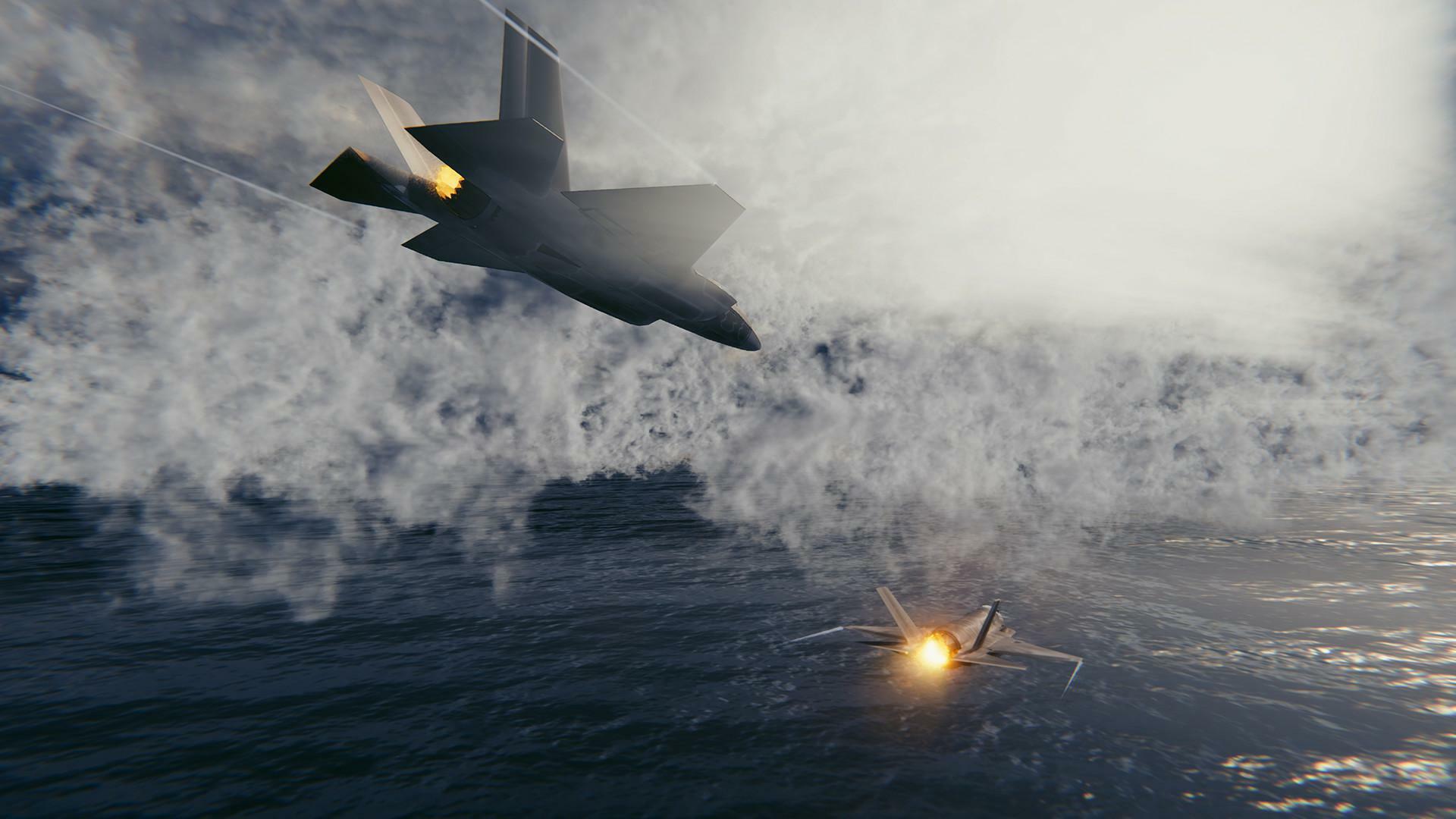
Following its massively popular open beta during the Steam Next Fest, Broken Arrow, the modern military real-time strategy game from developer Steel Balalaika and publisher Slitherine, has become one of the most anticipated titles in the genre. The demo captivated hundreds of thousands of players with its realistic combat and deep tactical gameplay. This huge influx of players also generated a treasure trove of match data, giving the developers a clear, data-driven look into the complex challenge of faction balance ahead of the game's full launch.
The Inherent Difficulty of Balancing a Modern Warfare RTS
Broken Arrow distinguishes itself with a deep focus on authentic, large-scale modern military engagements. It features a vast and meticulously detailed arsenal of over 300 units for its launch factions, the United States and Russia. This commitment to realism, a core part of its appeal, introduces unique balancing hurdles. Each unit, from infantry fireteams to main battle tanks and stealth aircraft, possesses distinct capabilities, armor profiles, and weapon systems. The interplay of these elements across diverse maps creates an incredibly dynamic battlefield where minor stat adjustments can have significant ripple effects. Steel Balalaika's goal is not just to make the factions feel distinct, but to ensure both offer multiple compelling and viable paths to victory.
Lessons from the Open Beta: Data Replaces Debate
Immediately following the open beta in early 2024, community discussions around balance were intense. Players on forums and Discord debated the effectiveness of certain units, with Russian artillery and US air dominance being frequent topics of conversation. While early player-led impressions were valuable, the true picture emerged when Steel Balalaika analyzed the data from the staggering number of matches played during the demo.
This official data provided a much clearer view than early speculation. The developers confirmed that while the balance was remarkably close for a pre-release build, there was a discernible, albeit slight, statistical edge. In a developer diary, they revealed that across all matches in the open beta, the US faction held a win rate of approximately 52%. This confirmed the community's general feeling that the US had a small advantage, but it also demonstrated that the game was far from fundamentally broken, providing a solid foundation for final tuning.
Steel Balalaika's Philosophy: Realism Meets Playability
In response to the beta's results, Steel Balalaika has been transparent about its balancing philosophy, which aims to strike a difficult harmony between authentic military simulation and engaging RTS gameplay. This means balance decisions are not made in a vacuum; they must respect the real-world roles and capabilities of the hardware while ensuring competitive viability. The challenge is ensuring that while a unit like the F-22 Raptor behaves realistically as an apex air superiority fighter, it doesn't become so dominant that it invalidates all other strategies.
The developer views balance as a continuous, iterative process that evolves with player feedback, emerging meta-strategies, and ongoing data analysis. They have publicly committed to using the beta feedback to guide the final wave of pre-launch development, ensuring a fair and competitive environment from day one.
The Road to Launch: What's Next for Balance?
The insights gained from the open beta are now the primary driver for the final balance patches ahead of Broken Arrow's full release. Players can expect these refinements to be implemented at launch, addressing the key takeaways from the beta data. These updates will include:
- Unit Adjustments: Precise tweaks to unit statistics such as cost, armor values, weapon accuracy, and availability to bring them in line with desired performance metrics. This will likely involve fine-tuning the cost-effectiveness of powerful assets like advanced aircraft and long-range artillery.
- Faction-Specific Changes: Modifications aimed at bolstering the strategic options for the Russian forces to counter US air power, while potentially adjusting the availability or cost of key US enablers.
- Systemic Refinements: Analysis of core game mechanics, such as optics, stealth, and electronic warfare, to ensure they are functioning as intended and contributing to a balanced tactical environment.
The developer continues to engage with the community through its Discord server and dev diaries, reinforcing that player experience is an invaluable tool for identifying the subtle imbalances that raw data alone might not fully capture. This collaborative approach is essential for Broken Arrow's ambition to become a premier modern warfare RTS.
Frequently Asked Questions
What is Broken Arrow?
Broken Arrow is a large-scale, modern military real-time strategy (RTS) game. It focuses on realistic combined-arms combat, featuring hundreds of authentic units and complex tactical gameplay.
Who developed Broken Arrow?
Broken Arrow is developed by Steel Balalaika, an independent studio, and published by Slitherine Ltd. (also known as Matrix Games).
What are the main factions in Broken Arrow?
At launch, the primary playable factions in Broken Arrow are the United States of America and the Russian Federation, each with a unique and extensive roster of land, air, and naval units.
When does Broken Arrow release?
The game is scheduled for a full release in 2024. The open beta took place in early 2024. For the most current release date information, check the official Steam page.
Why is faction balance so important in RTS games?
Faction balance is crucial in RTS games to ensure fair competition and strategic diversity. If one faction is consistently stronger, it can lead to a stale meta, a reduced player base for the weaker side, and a less enjoyable experience overall. Good balance encourages creative strategies and rewards player skill above all else.