
Glen Schofield on Gaming Industry Issues & Comeback Plan
Last Updated: November 16, 2025
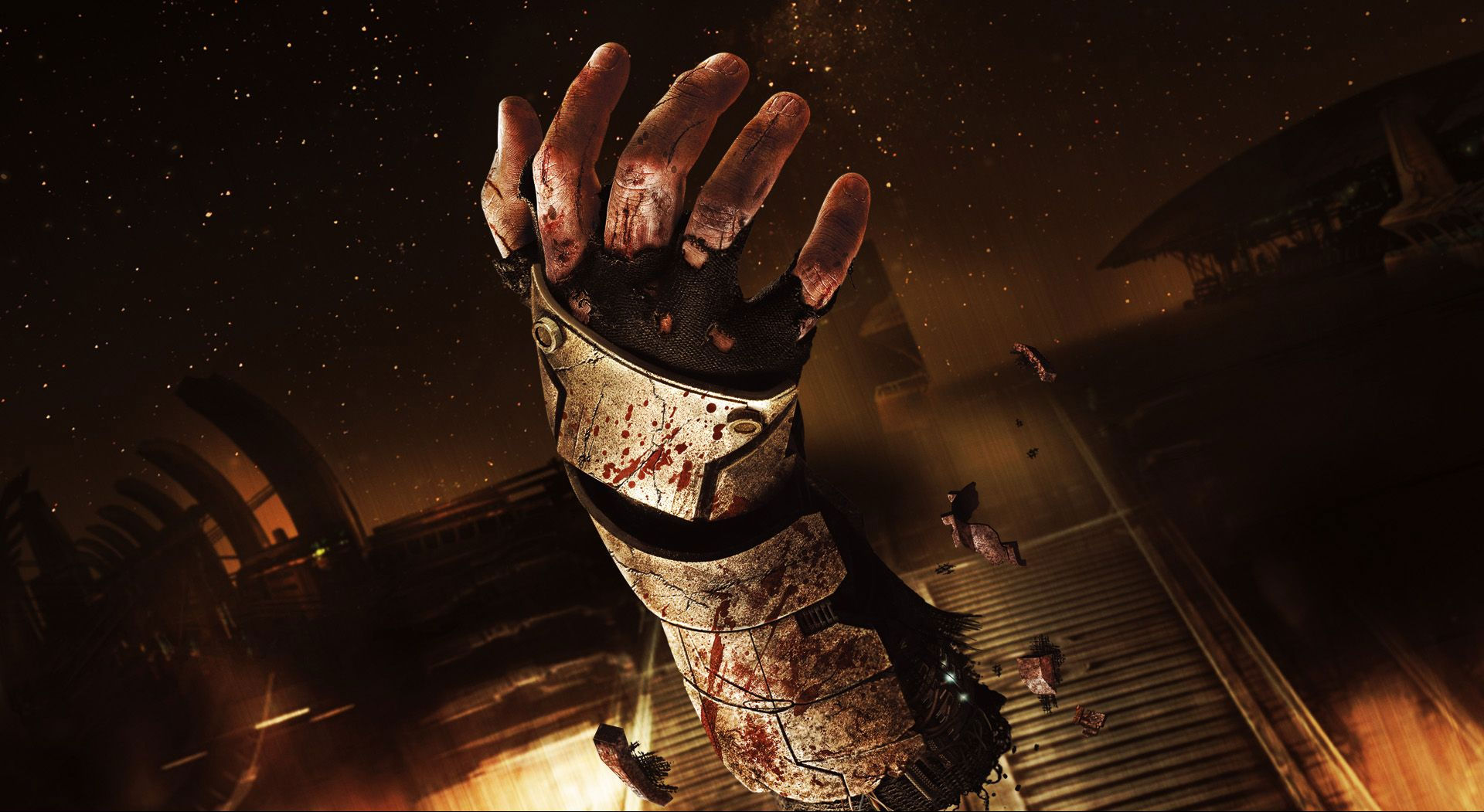
Glen Schofield, the celebrated creator behind the iconic Dead Space series and co-founder of Sledgehammer Games and Striking Distance Studios, delivered a stark assessment of the modern games industry, declaring it to be “broken, beaten, and battered.” His powerful statement, made in late 2023, continues to resonate deeply within a landscape grappling with massive layoffs and systemic challenges. More than just a critic, Schofield, a veteran whose work has profoundly influenced the horror and action genres, stated he has a concrete plan to address these issues and is now putting that philosophy into practice by building a new game development studio.
Schofield’s forthright evaluation came in the wake of his departure from Striking Distance Studios, the company he founded to create *The Callisto Protocol*. His declaration was a powerful call to attention from an individual whose career spans decades of groundbreaking work, and it tapped directly into widespread industry anxiety. When a figure of Schofield’s stature makes such a profound statement, it prompts a deeper examination of the forces shaping the interactive entertainment world.
The Gaming Industry's Troubled Climate
Schofield's words, "broken, beaten, and battered," perfectly captured a sentiment shared by many developers, publishers, and players. The industry, while experiencing technological advancement, has been facing a crucible of challenges that test its very foundations, a situation that has only intensified since his comments.
One of the most critical issues is the unsustainable cost and complexity of AAA game development. Modern blockbuster titles demand budgets in the hundreds of millions of dollars, leading to immense pressure on teams to deliver guaranteed mega-hits. This pressure often results in "crunch culture," where developers endure grueling, extended work hours to meet deadlines, leading to widespread burnout and mental health concerns.
Furthermore, the period from 2023 through 2024 has been marked by an unprecedented and devastating wave of mass layoffs. Tens of thousands of talented professionals have lost their jobs as major corporations like Microsoft, Sony, EA, and Embracer Group have undergone massive restructuring. This has fostered a climate of deep instability and insecurity, sparking urgent conversations about job security and the need for greater protection for creative professionals.
The prevalence of live service models also presents a complex picture. While some "games as a service" titles find immense success, the market is oversaturated, leading many to fail. This model often shifts focus from crafting singular narrative experiences to engineering long-term monetization, a strategy that can sometimes compromise artistic vision. Schofield's diagnosis encapsulates these multifaceted pressures, suggesting the problems are symptomatic of deep systemic cracks.
Schofield's Call to Action: A Plan in Motion
Amidst his candid assessment, Glen Schofield did not merely identify problems; he began building a solution. While he has been guarded about the explicit details of his "three-point plan," his actions since departing Striking Distance Studios offer a clear look at its core principles. Instead of just talking, he is actively forming a new, unannounced studio to create his next game.
Industry observers can see the pillars of his plan taking shape:
- Re-evaluating Development Pipelines: By building a new, likely smaller and more agile studio, Schofield appears to be directly challenging the bloated, often inefficient structure of modern AAA development. This approach can foster a healthier work-life balance, mitigate crunch, and allow for more focused, realistic project scopes.
- Prioritizing Creative Vision: Starting an independent venture gives Schofield direct creative control, freeing him and his new team from the immense commercial pressures that can accompany a multi-hundred-million-dollar project like *The Callisto Protocol*. He has already begun sharing concept art for his next project, signaling a hands-on return to the horror genre he helped define.
- Fostering Talent and Stability: In an era of mass layoffs, the act of building a new team is a statement in itself. Schofield’s new studio represents an effort to create a sustainable environment that values and retains talent, offering an alternative to the volatility plaguing the wider industry.
Schofield is moving from diagnosis to active remedy. His next project is not just another game; it is the embodiment of his philosophy for a healthier, more creative, and more sustainable way to make them.
A Legacy of Innovation: Why Schofield's Words and Actions Matter
Glen Schofield's voice carries considerable weight due to his lasting impact on the video game landscape. He is most famously known as the creator and executive producer of the original *Dead Space* (2008), a title that redefined survival horror with its blend of terrifying atmosphere and innovative dismemberment mechanics.
Beyond horror, Schofield co-founded Sledgehammer Games, where he was instrumental in the *Call of Duty* franchise, contributing to *Modern Warfare 3* and co-directing *Advanced Warfare* and *WWII*. More recently, he led Striking Distance Studios to develop *The Callisto Protocol*. While visually stunning, the game received a mixed reception and fell short of the high sales expectations set by its publisher, Krafton. This firsthand experience with the intense pressures of the modern AAA market undoubtedly informed his critical perspective and his subsequent decision to forge a new path.
Having navigated independent creation, corporate blockbusters, and the difficult launch of a spiritual successor, Schofield possesses an authoritative understanding of the industry's ailments. His critique is an informed perspective from the front lines, and his new venture is a deliberate attempt to build something better.
Conclusion
Glen Schofield’s declaration that the gaming industry is “broken, beaten, and battered” was a potent wake-up call from a titan of the field. It highlighted the profound internal struggles over creative processes, business models, and the human cost of making games. Now, his promise of a plan for revival is unfolding not in a manifesto, but in the creation of a new studio and a new game.
As the industry continues to navigate its turbulent evolution, the actions of veterans like Schofield will be crucial in shaping a more sustainable and creatively vibrant future. The gaming world is watching his next steps with keen interest, hopeful that his new model will prove that there is a better way to build the worlds we love to play.