
Jurassic World Evolution 3 Confirmed: Release Window & Expectations
Last Updated: November 7, 2025
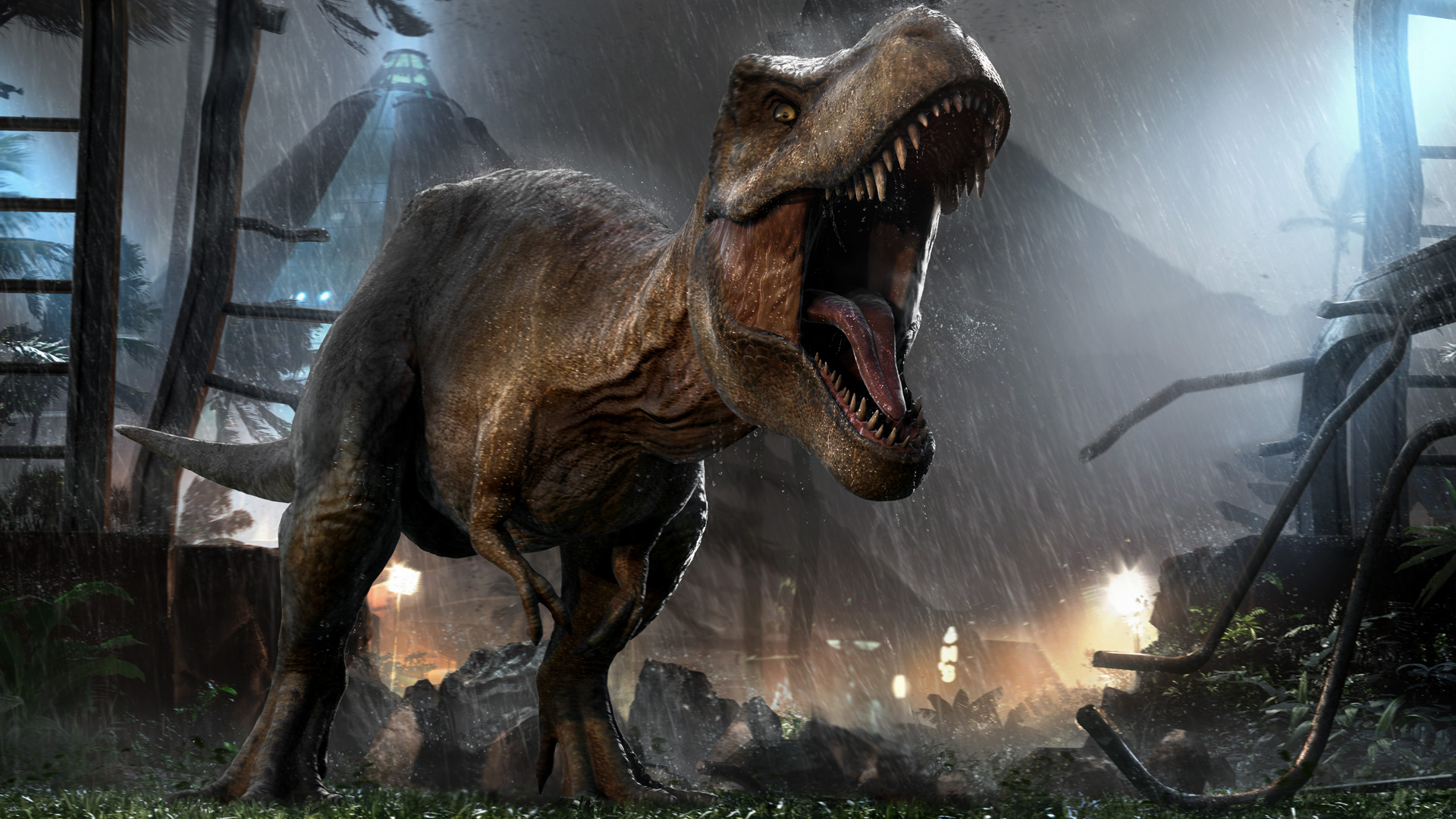
Life, uh, finds a way. In a blockbuster announcement for simulation genre fans, developer Frontier Developments has officially confirmed it is creating a third installment in its acclaimed dinosaur park management series. The next chapter, widely expected to be titled Jurassic World Evolution 3, is scheduled to launch in Frontier's fiscal year 2026, placing its release window between June 1, 2025, and May 31, 2026.
The confirmation came in May 2024, when Frontier announced it had signed a new license with Universal Products & Experiences to develop the game. This news solidifies the future of the beloved franchise, which has become Frontier's best-selling series to date. While specific features and gameplay mechanics remain under wraps, the confirmation alone has sparked massive excitement and speculation within the community about where the prehistoric park-building series will evolve next.
Building on a Towering Legacy
The Jurassic World Evolution series has earned a dedicated following for its stunningly realistic dinosaurs, deep management systems, and faithful recreation of the iconic film franchise's aesthetic. The first game established a solid foundation, tasking players with balancing Entertainment, Security, and Science. Its sequel, Jurassic World Evolution 2, expanded on this formula in every conceivable way, introducing flying and marine reptiles, more complex dinosaur behaviors, a new Chaos Theory mode, and deeper management mechanics.
With a third game now officially on the horizon, the key question is how Frontier will innovate again. A consistent piece of feedback from the community has been the desire for more freedom and creativity in park layout and design. The pre-set maps in previous titles, while beautifully crafted, could sometimes feel restrictive for the most ambitious builders.
The Evolution of Park Creation
While Frontier has not revealed any new features, the community has long speculated about game-changing additions that could redefine the experience. One of the most-requested features is a form of procedural map generation—an "Island Generator" that would give players the ability to create unique islands for Sandbox Mode.
Such a system would represent a fundamental shift in the core gameplay loop. In previous installments, players eventually mastered each map's specific challenges. A procedural generator would introduce a new strategic layer, forcing players to adapt their management style to entirely new and unpredictable topographies. Imagine generating an island with a massive, impassable mountain range, a sprawling archipelago requiring new transport solutions, or a dense jungle with only small, scattered clearings. Each new map would become its own unique puzzle.
This focus on player-driven world creation would be a direct and ambitious response to fan feedback, suggesting a renewed commitment to the creative and management aspects that are the heart of the series. If Jurassic World Evolution 3 introduces such a feature, it could offer the near-infinite replayability that would cement its place as the definitive prehistoric park simulator.
What We Know So Far
Dinosaur park tycoons can begin preparing for their next venture. Here are the key, confirmed details from the official announcement:
- Game Title: Officially the "third Jurassic World game," widely expected to be Jurassic World Evolution 3.
- Developer: Frontier Developments
- Release Window: Fiscal Year 2026 (between June 1, 2025, and May 31, 2026).
- Platforms: Not yet announced, but expected for PC, PlayStation 5, and Xbox Series X|S based on previous releases.
- Pre-orders: Not yet available.
The Future is Prehistoric
The official confirmation of a new Jurassic World Evolution game marks an exciting moment for fans. By building upon the successful foundation of its predecessors, Frontier is poised to deliver the most comprehensive and creatively liberating entry in the series to date. As we await further details on new dinosaurs, modes, and gameplay mechanics, one thing is clear: the gates to the park are set to open once again, promising a new era of prehistoric park management.