
27 Best Dungeon Crawlers to Plunder in 2024
There are few experiences in gaming as timeless and satisfying as the classic dungeon crawl. The formula is pure digital adventure: you, a hero, against a labyrinthine maze teeming with monstrous threats, hidden traps, and chests overflowing with glittering loot. From the early days of PC gaming emulating pen-and-paper RPGs to the massive, graphically rich releases of today, the call of the dungeon remains as strong as ever.
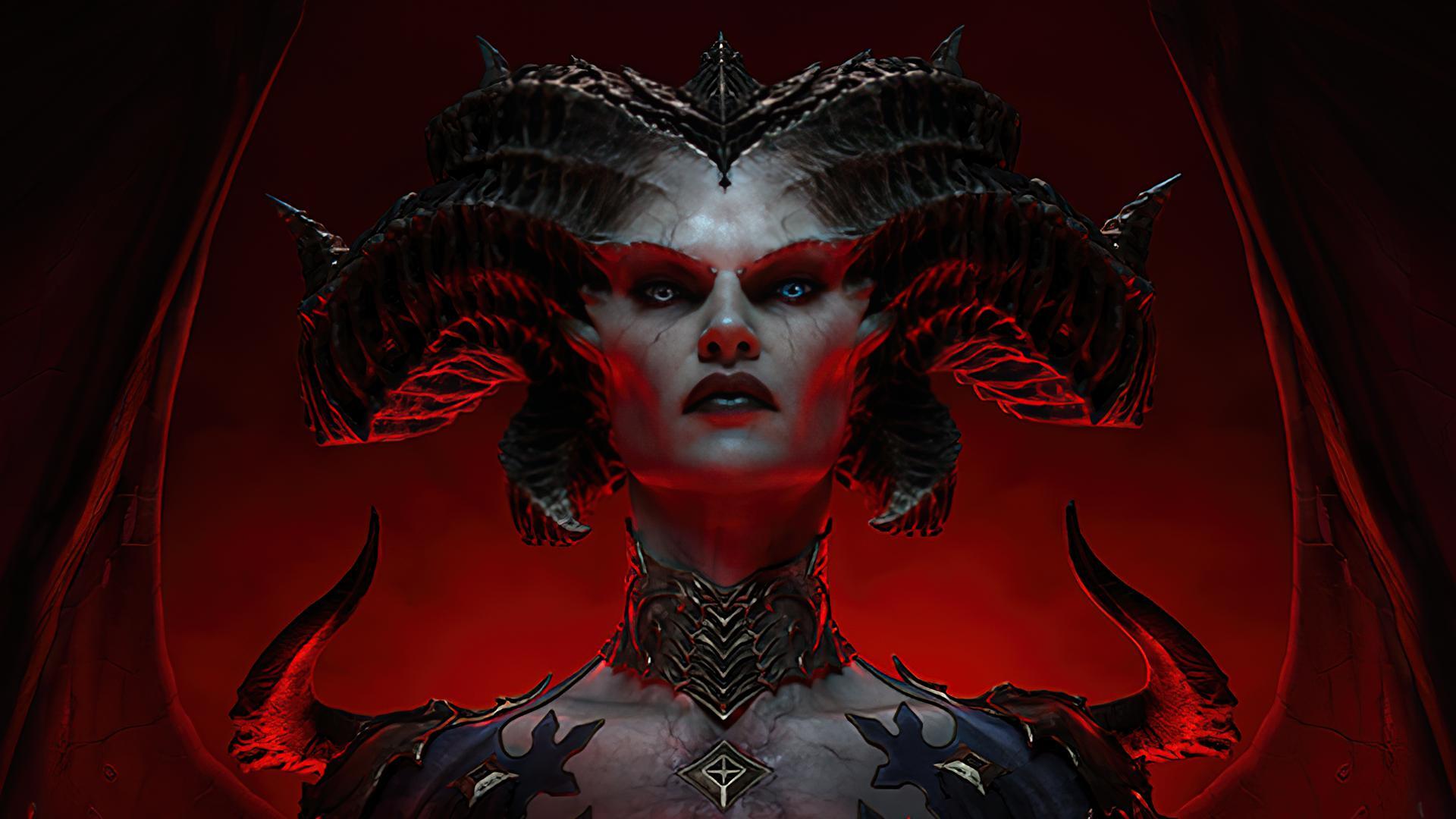
With recent titles like the dark and sprawling *Diablo IV*, the map-making masterpiece *Etrian Odyssey Origins Collection*, and the action-packed *Remnant 2* captivating players, the genre is experiencing a brilliant resurgence. It’s the perfect time to light a torch, sharpen your blade, and descend into the depths. We’ve explored the darkest corners of gaming history to assemble the definitive list of the 27 best dungeon crawlers ever made.
The Icons: Genre-Defining Classics
These are the titans of the genre—the games that laid the foundation for every dungeon crawler that followed. They established the core loops of exploration, combat, and looting that we still cherish today.
- Diablo II: Resurrected: The undisputed king for a reason. Diablo II perfected the action-RPG dungeon crawl with its randomized maps, endless loot chase, iconic classes, and grim, gothic atmosphere. The Resurrected version updates the visuals beautifully without losing an ounce of the original's magic.
- Wizardry: Proving Grounds of the Mad Overlord: One of the original "blobbers" (where you control a party from a first-person view), Wizardry was a punishing and deeply rewarding journey into a 10-floor dungeon. It was known for its brutal difficulty and demand for meticulous planning.
- Dungeon Master: A revolutionary title that introduced real-time combat and direct interaction with the environment to the first-person dungeon crawl. Picking up items, throwing daggers, and solving puzzles in real-time created an unparalleled sense of immersion for its era.
- Fate: This charming and accessible action-RPG served as a wonderful entry point for many players. With its randomized dungeons, a loyal pet that could fight and ferry loot, and a simple-yet-addictive gameplay loop, Fate is a pure, distilled dungeon-crawling experience.
The First-Person Perspective: Mazes and Monsters
These games put you directly behind the eyes of your adventurers, focusing on methodical exploration, cartography, and tactical, often turn-based, combat.
- Legend of Grimrock 2: While the first game was a brilliant revival of the classic grid-based crawler, the sequel expanded the concept to an entire island. It blended intricate puzzle-box dungeons with outdoor exploration, creating a masterpiece of environmental design and challenging combat.
- Etrian Odyssey Series: The series that asks you to become your own cartographer. Using the handheld's second screen (or a dedicated menu in modern versions), you draw your own maps as you explore, floor by treacherous floor. This simple act makes every step feel earned and every discovery personal.
- Arx Fatalis: An immersive first-person RPG that feels like a true "dungeon simulator." Stranded in a vast underground world, you must survive by casting spells with hand gestures, crafting items, and navigating a complex, interconnected environment. Its focus on atmosphere and player agency is legendary.
- Eye of the Beholder: A classic that brought the world of Dungeons & Dragons to life in a terrifying first-person perspective. Navigating its claustrophobic halls and battling iconic D&D monsters in real-time was a nerve-wracking and unforgettable adventure.
The Action-RPG Gauntlet: Loot and Legends
For those who prefer a faster pace, these games emphasize thrilling real-time combat, spectacular abilities, and the endless, glorious pursuit of better gear.
- Path of Exile: The heir apparent to Diablo II's throne, Path of Exile offers a staggering level of depth and customization. Its gargantuan passive skill tree, complex endgame systems, and constant stream of new content make it a game you can play for thousands of hours without ever seeing it all.
- Torchlight II: Brimming with color and personality, Torchlight II is a more lighthearted but no less addictive take on the action-RPG formula. With its fantastic class design, satisfyingly crunchy combat, and excellent co-op multiplayer, it remains a fan-favorite.
- Grim Dawn: A meticulously crafted ARPG set in a bleak, Victorian-inspired fantasy world. Grim Dawn shines with its dual-class system, allowing for hundreds of unique character builds, and a world packed with secret areas and fascinating lore.
- Children of Morta: This game blends the action of a dungeon crawler with a powerful, emotional narrative about a family of heroes. Each family member is a different playable class, and the stunning pixel art and meaningful story make it a truly unique experience.
The Modern Roguelike Revolution
Taking the core tenets of dungeon crawling—randomized layouts, permanent death, and gradual progression—these games have pushed the genre in new and exciting directions.
- Hades: A masterclass in game design. As you fight your way out of the Greek underworld, you'll die repeatedly, but each failure progresses the story, builds relationships with a cast of amazing characters, and unlocks new powers. The action is lightning-fast and incredibly fluid.
- The Binding of Isaac: Rebirth: A dark, strange, and endlessly replayable twin-stick shooter. With hundreds of bizarre items that synergize in unpredictable ways, no two runs are ever the same. It is a cornerstone of the modern roguelike genre.
- Slay the Spire: This game ingeniously fuses deck-building card games with a classic dungeon crawl. Each run challenges you to build a powerful and synergistic deck of cards to overcome increasingly difficult enemies and bosses on your way up the titular spire.
- Darkest Dungeon: A brutal and psychologically taxing turn-based crawler. You don't just manage your heroes' health, but also their stress levels. Watching your best-laid plans crumble as your party succumbs to paranoia and fear is a harrowing but compelling challenge.
- Crypt of the NecroDancer: What if you had to crawl a dungeon to the beat of the music? This rhythm-based roguelike forces you to move and attack in time with its incredible soundtrack, creating a high-stakes dance with death that is utterly original.
Frequently Asked Questions About Dungeon Crawlers
What makes a game a "dungeon crawler"?
At its core, a dungeon crawler is a type of role-playing game that emphasizes exploration of a labyrinthine environment (the "dungeon"). Key elements typically include combat against monsters, discovering secret passages, solving puzzles, and, most importantly, collecting loot to improve your character.
What is the difference between a dungeon crawler and a roguelike?
The terms often overlap. Most roguelikes are dungeon crawlers, but not all dungeon crawlers are roguelikes. Roguelikes are a specific sub-genre defined by procedural generation (randomly created levels) and permadeath (starting over from the beginning when you die). Games like Diablo are dungeon crawlers but not traditional roguelikes because death doesn't reset your entire character progress.
Are dungeon crawlers good for beginners?
Absolutely! While some classic titles are known for their difficulty, many modern games offer accessible entry points. Titles like Torchlight II or Children of Morta are great starting places, offering satisfying gameplay without an overwhelming learning curve.