
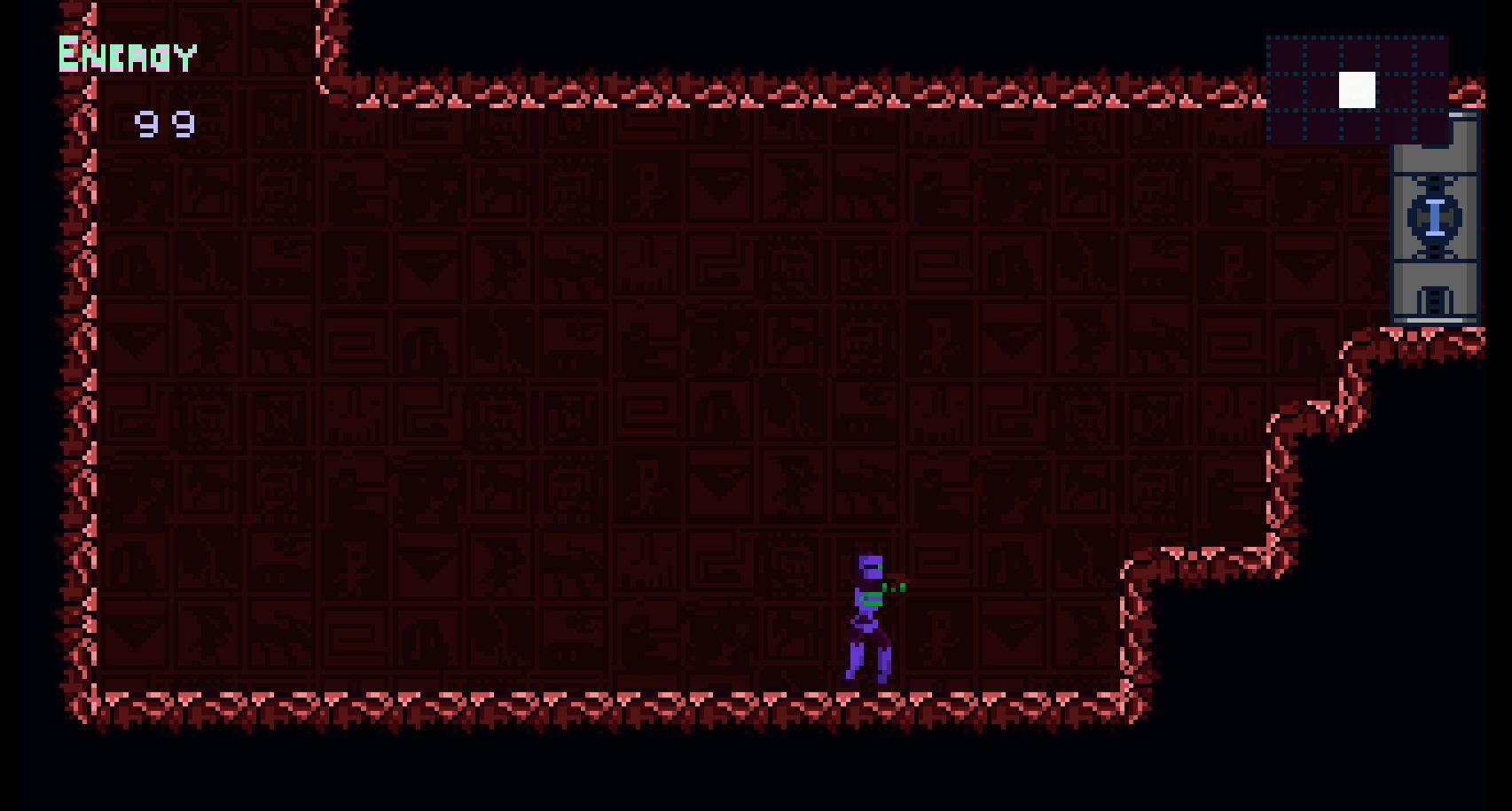
The Death of the Map-Marker: Why Linear Metroidvanias are the Ultimate Palette Cleanser
The Bottom Line: Modern gaming is drowning in open-world bloat, and the Metroidvania genre—once the king of tight, gated progression—hasn't been immune to the "bigger is better" contagion. Our editorial team argues that linearity isn't a design flaw; it’s a feature. For players with limited runtime and zero patience for aimless backtracking, these eight titles offer high-density gameplay without the 40-hour filler.
For those of us who grew up navigating the corridors of Super Metroid or the sprawling halls of Symphony of the Night, we’ve seen this genre evolve from pixel-perfect platforming to massive, often overwhelming, 100-hour checklists. While we respect the scope of a Hollow Knight, there is a distinct, veteran-level appreciation for a game that knows when to get out of its own way. We’re calling it out now: you don't need a massive map to be a "real" Metroidvania. Sometimes, a tight, five-hour loop is exactly what the doctor ordered to avoid burnout.
The Efficiency Tier: Best Low-Bloat Metroidvanias
| Game Title | Primary Hook | Avg. Completion | Key Strength |
|---|---|---|---|
| Carrion | Reverse Horror | 5 Hours | Dynamic Movement |
| Yoku’s Island Express | Pinball Hybrid | 6 Hours | Unique Mechanics |
| Touhou Luna Nights | Time Manipulation | 5 Hours | Polished Combat |
| Momodora: Moonlit Farewell | Melee Combat | 8 Hours | Boss Design |
10. Carrion: The Reverse-Horror Power Trip
Most Metroidvanias cast you as the underdog. Carrion flips the script, letting you play the eldritch horror escaping a lab. From our perspective, the genius here isn't just the "reverse horror" gimmick—it's the removal of the traditional mini-map. By replacing it with a localized radar, Phobia Studios forces players to rely on instinct rather than staring at a HUD. It’s a short, violent sprint that respects your time, even if you get turned around in the vents for a minute or two.
9. Teslagrad Remastered: A Lesson in Physics
We first cut our teeth on Teslagrad back on the Wii U, and the remaster only proves how well its magnetism-based puzzles have aged. Unlike combat-heavy clones, this is a pure test of logic and platforming. The "one-hit-kill" mechanic is a controversial choice that might frustrate casuals, but for veterans, it adds a layer of tension that makes every successful Tesla Tower climb feel earned. It’s an atmospheric masterclass that doesn't overstay its welcome.
8. Shantae and the Seven Sirens: WayForward’s Streamlined Gem
While Pirate's Curse remains the high-water mark for the franchise, Seven Sirens is arguably the most accessible. We love the shift to hand-drawn HD visuals, which finally feels like the "playable anime" the series always promised. The transformation system is snappy, and the world layout is aggressively linear—a godsend for players who want to feel constant momentum rather than hitting a wall every twenty minutes.
7. Yoku’s Island Express: The Genre-Bender
Mixing pinball with Metroidvania progression sounds like a recipe for a mechanical disaster, but it’s one of the most refreshing pivots we've seen in two decades. Because you’re tethered to flippers and bumpers, the "bloat" of traditional walking and backtracking is replaced by physics-based traversal. It’s quirky, it’s tropical, and it’s a brilliant example of how to innovate on a 30-year-old genre skeleton.
6. Islets: Solo-Dev Precision
Kyle Thompson is a name you need to know. Islets handles the "connected world" trope better than most AAA studios. You play as Iko, a hero cobbling together a shattered world. The "Information Gain" here is in the island-reconnection mechanic; as you link fragments of the map, the world becomes more cohesive without feeling like a chore. It’s a heartfelt indie project that prioritizes "feel" over "filler."
5. Momodora: Moonlit Farewell: The Combat Specialist
If you’re looking for a Metroidvania that leans into the "Soulslike" combat trend without the 60-hour grind, Moonlit Farewell is it. The Sigil system allows for significant build variety—a "min-maxer’s" dream in a compact package. We found the boss encounters to be the real standout here; they are tough-but-fair roadblocks that demand mastery of the mechanics, serving as the perfect swan song for the series.
4. Haiku, the Robot: Game Boy Nostalgia Done Right
Crowdfunded projects are often hit-or-miss, but Haiku, the Robot is a massive win. It captures the Game Boy aesthetic perfectly but infuses it with modern QoL (Quality of Life) features. The chip-based upgrade system is reminiscent of Hollow Knight's charms but in a much tighter, more navigable world. It’s a "snackable" adventure that proves you don't need 4K textures to create an immersive dystopian vibe.
3. Touhou Luna Nights: The Gold Standard of Pacing
Team Ladybug is arguably the best in the business when it comes to tight, high-intensity Metroidvanias. Touhou Luna Nights is a clinic in time-manipulation mechanics. It’s short—clocking in at around five hours—but those five hours are denser than most "Gold Editions" of modern Ubisoft games. Every room is a puzzle, and every boss is a bullet-hell spectacle. This isn't just a great Metroidvania; it's a reminder that brevity is the soul of wit.
The Final Word: We’ve spent 20 years watching genres bloat until they burst. If you’re feeling the weight of a 500-icon map, do yourself a favor: put down the "Triple-A" behemoth and pick up one of these tight, focused experiences. Your backlog (and your sanity) will thank you.