
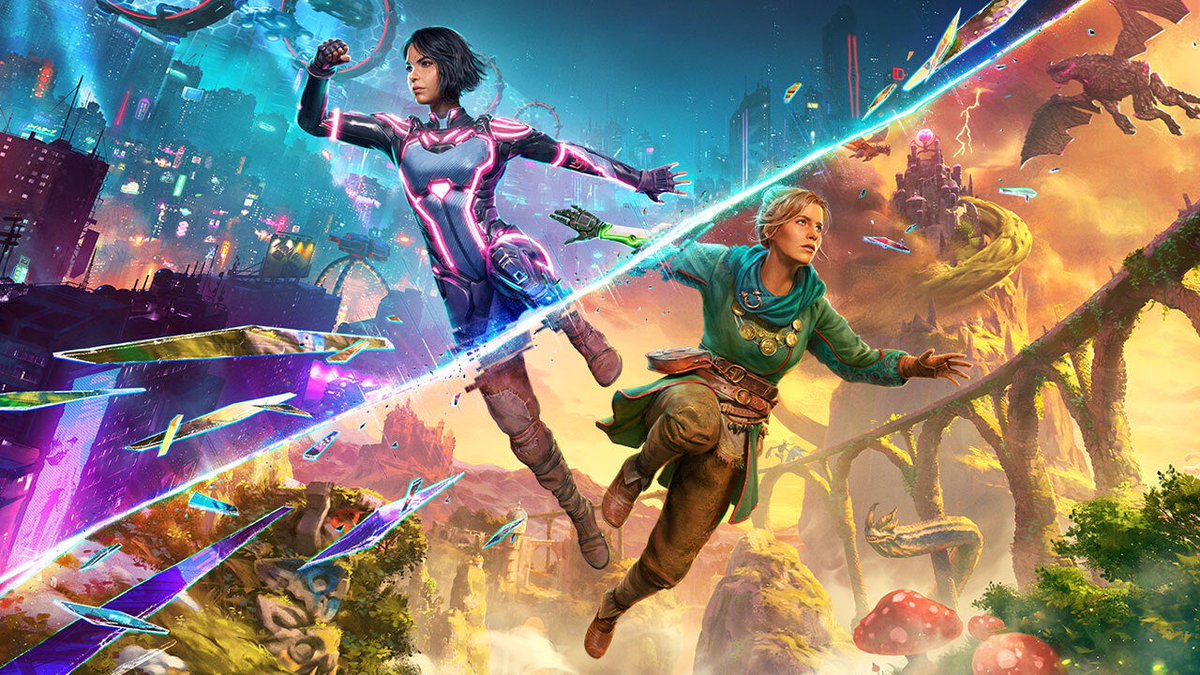
Editorial: Is Josef Fares Right About EA? Why the Industry’s Loudest Voice is Defending the "Death Star"
The Bottom Line: Josef Fares, the unfiltered mind behind It Takes Two and the upcoming Split Fiction, is once again bucking the narrative. In a recent interview with The Game Business, Fares defended Electronic Arts (EA), claiming the publisher "gets more sh*t than they deserve" and praising their hands-off approach to his creative process. While EA’s history of studio closures and aggressive monetization makes them an easy target, Fares’ perspective suggests that for high-performing partner studios, the EA Originals label is currently one of the most stable spots in the industry.
The Fares Defense: "Everybody F***s Up"
We’ve seen Josef Fares take the stage many times—most notably his "F*** the Oscars" rant—so his blunt defense of EA shouldn't come as a shock. His argument is simple: perfection doesn't exist in AAA publishing. According to Fares, the team at Hazelight enjoys a level of autonomy that many developers would kill for. He notes that EA "respects" their work and, crucially, lets them work without interference.
Our analysis suggests this isn't just Fares being a contrarian. Since the launch of A Way Out, Hazelight has become the poster child for the "EA Originals" initiative. While EA has a well-earned reputation for "studio-killing" (we still haven't forgotten the fate of Westwood or Visceral Games), the current leadership seems to have realized that micromanaging creative powerhouses like Fares is a losing game.
| Project | Publisher Relationship | The "Hazelight" Result |
|---|---|---|
| A Way Out | EA Originals | Proven co-op niche; 3.5M+ copies sold. |
| It Takes Two | EA Originals | GOTY 2021; 16M+ copies sold; Massive ROI. |
| Split Fiction | EA Originals | Current development; High creative autonomy. |
Context Matters: The Ghost of EA’s Past
To understand why Fares is catching heat for these comments, you have to look at the historical data. We remember the 2017 Star Wars Battlefront II loot box disaster, which fundamentally changed how players viewed "live service" titles. We remember the "EA Spouse" controversy and the shuttering of Bullfrog and Maxis. To the average gamer, EA represents the "corporate" side of the industry that prioritizes spreadsheets over sprites.
However, we believe Fares is highlighting a shift in the meta. While EA’s core sports titles (formerly FIFA, now FC) continue to lean heavily into microtransactions, their "Originals" label has been remarkably consistent. By giving developers like Hazelight the "indie-plus" budget and total creative control, EA is essentially buying back the prestige they lost over the last decade.
Why Fares’ Stance is a "Game-Changer" for Studio Relations:
- The Hands-Off Policy: Fares claims EA "leaves them be." In an era of rampant executive meddling, this is a massive QoL (Quality of Life) win for developers.
- Industry-Wide Parity: Fares is right—look at the current state of Ubisoft or Activision. Every major publisher is currently navigating a minefield of layoffs and canceled projects. Defending EA isn't saying they are perfect; it's saying they aren't the only ones failing.
- Creative Security: With Split Fiction on the horizon, Fares clearly feels he has the backing to take risks. That kind of safety is rare in today’s volatile market.
The High-Authority Take
We’ve been covering this industry for over two decades, and we’ve seen the pendulum swing between "EA is the worst company in America" and "EA is the only one funding creative co-op games." Fares’ comments shouldn't be dismissed as corporate sycophancy. Instead, they represent the reality of a developer who has found a way to min-max the publisher-developer relationship.
The consequence of this defense is clear: Split Fiction will likely double down on the unconventional mechanics Hazelight is known for. If EA continues to stay out of the kitchen, they might just secure another Game of the Year contender. For the rest of the industry, the lesson is simple: if you want your developers to go to bat for you in the press, you have to give them the freedom to make great games first.
Key Stat to Watch: Hazelight’s It Takes Two recently crossed 16 million units. That kind of leverage is exactly why EA "leaves them be." As long as the sales numbers stay high, Fares gets to keep his "loudest guy in the room" status, and EA gets to keep their most valuable creative partner.