
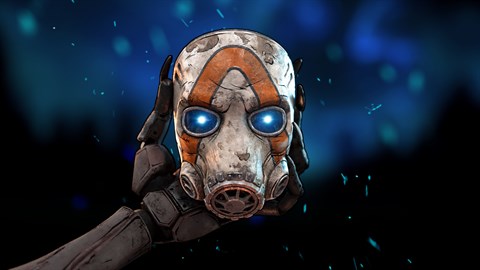
Borderlands 4 for Switch 2: Take-Two's 'Pause' Signals Deeper Trouble
In a move that we at In Game News find less "difficult" and more "predictable," Take-Two has officially hit the pause button on Borderlands 4 development for the Nintendo Switch 2. Announced this past February 4, 2026, after a series of quiet delays, this latest development isn't just a bump in the road for the Vault Hunters' next adventure; it feels like the wheels have come off the bus entirely for the SKU targeting Nintendo's new hardware.
The PR Spin vs. Our Reality Check
Take-Two spokesperson Alan Lewis's official statement to Variety, citing a "difficult decision to pause development on that SKU," rings with the familiar PR platitudes we've heard countless times over our years in the industry. While reassuring words about "delivering quality post-launch content" and "optimizing the game" sound good in a press release, for Switch 2 hopefuls, this typically translates to one of two things: indefinite limbo, or outright cancellation. We’ve seen this play out before, often ending in a quiet delisting or a slow fade into the annals of vaporware.
Lewis further attempted to soothe fears by mentioning ongoing "collaboration closely with our friends at Nintendo" and touting upcoming titles like 'PGA Tour 2K25' and 'WWE 2K26' for the platform. While it's great to hear of continued support, the struggle with a flagship title like Borderlands 4, known for its visual flair and intense gunplay, raises serious questions about the feasibility of porting high-fidelity, demanding current-gen experiences to the Switch 2 without significant concessions.
The Optimization Conundrum: Hardware or Hubris?
This isn't the first rodeo for third-party developers struggling to port graphically intensive titles to Nintendo hardware. From the original Switch's impressive, albeit often compromised, ports of games like DOOM Eternal and The Witcher 3: Wild Hunt, to the general lack of many current-gen titles, the challenge is well-documented. However, we're not entirely convinced this is solely a hardware limitation issue for the unreleased Switch 2.
As one of our astute readers, Tentri, pointed out in a comment, the problem might run deeper: a systemic issue where "optimization is an afterthought" due to corporate priorities and an over-reliance on technologies like AI upscaling. DLSS and FSR are incredible tools when used to enhance an already well-optimized game, but when they become a necessary crutch for a fundamentally unoptimized experience, the player suffers. A looter-shooter like Borderlands 4 demands rock-solid frame rates and visual clarity for its fast-paced combat; any compromise there is a significant detriment to the core gameplay loop. Our analysis suggests that if the dev cycle prioritizes rushing out a product relying on such tech to paper over cracks, a "pause" becomes inevitable when the reality bites.
What This "Pause" Truly Means for Players:
From our extensive experience observing these kinds of announcements, a development "pause" often precedes a full cessation, especially when it concerns an SKU on a newly launched or upcoming platform. Here's what we believe are the immediate and long-term implications:
- Loss of a Marquee Launch Title: Borderlands 4 would have been a significant third-party tentpole for the Switch 2's early lineup, signaling strong developer support. Its absence creates a noticeable gap in an already competitive market.
- Uncertain Future: While not a definitive cancellation, the longer the pause, the less likely the game will ever see the light of day on Switch 2 in its original, intended form. Resuming development would mean reallocating resources, potentially years down the line, on what would then be considered older tech.
- Questions for Other 2K Ports: If Borderlands 4, a major IP, faces such hurdles, what does this imply for the fidelity and performance of 'PGA Tour 2K25' and 'WWE 2K26'? Will they too be heavily compromised ports, or are they simply less demanding on the hardware?
- Reinforcing Old Narratives: This move, unfortunately, feeds into the lingering narrative that Nintendo platforms struggle to attract and run top-tier third-party titles without major compromises or significant delays.
Our Take: Time for Transparency
While we appreciate the complexities of multi-platform development and the drive for "quality," the ambiguity surrounding Borderlands 4's Switch 2 port is frustrating for players. A difficult decision demands transparent communication. Is it simply optimization? Or is the Switch 2, despite its advancements, still struggling to keep pace with the ambitions of current-gen console development without significant down-scaling? We believe Take-Two owes players a clearer picture. As veteran gamers, we're tired of PR speak; we want playable games that live up to their promises, on every platform.