
- Genre Critique: Deep Field Games founder Geoff Keene argues most survival games are "meaningless" box-ticking exercises lacking substance.
- The "Atmosphere" Mandate: High-level mood and world-building are cited as more important than raw mechanics.
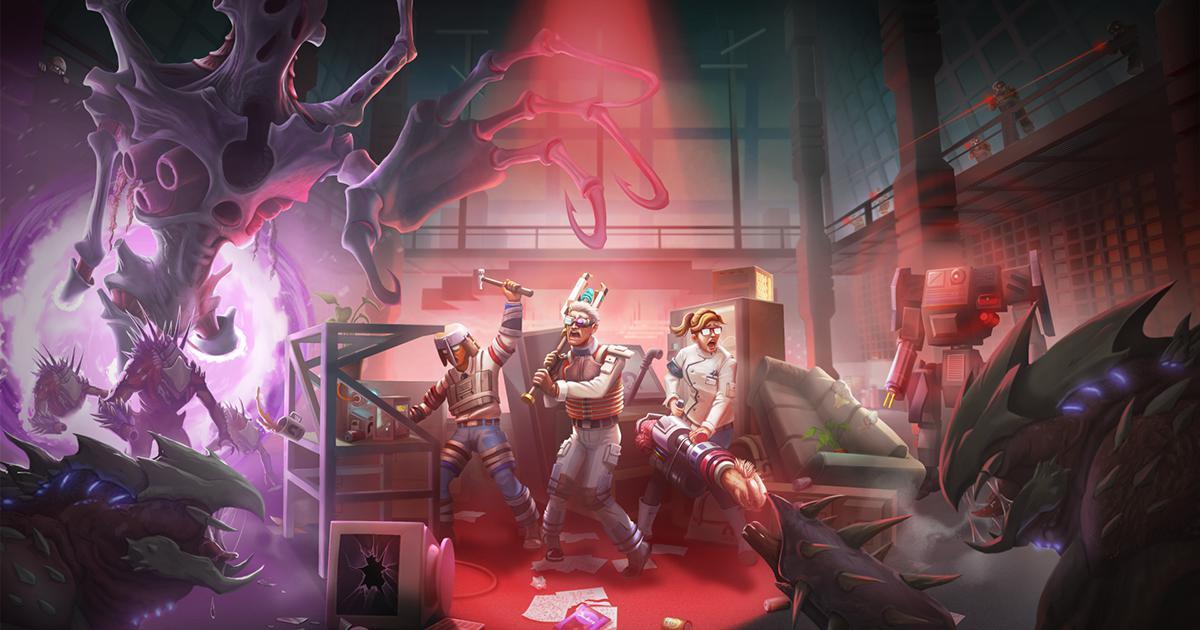
- Abiotic Factor's Formula: The game flips the script by focusing on indoor environments and "smart" protagonists over outdoor survival and brute strength.
- Industry Comparisons: Arc Raiders is praised for its environmental storytelling, while Abiotic Factor draws heavy inspiration from the Half-Life / Black Mesa aesthetic.
The Problem with "Survival Game #27"
Let’s be real: we’ve all felt the fatigue. You spawn on a beach, you punch a tree, you build a crafting bench, and you repeat until you have a wooden hut. Geoff "Zag" Keene, the mind behind Abiotic Factor, isn't pulling any punches regarding the current state of the genre. In a recent appearance on The AIAS Game Maker’s Notebook, Keene doubled down on his stance that a lot of survival games are just plain boring.
Our take? He’s spot on. The market is flooded with titles that prioritize "doing mechanics" over building a world worth existing in. Keene describes these as "iterations of the same thing," where hunger and thirst meters act as a substitute for actual gameplay depth. He’s even got a 10-minute "Next Fest" rule—if the game doesn't grab him by then, it’s a hard pass. We’ve seen this cycle kill plenty of promising Early Access titles that forget to find their soul before they ship.
Atmosphere is 90% of the Battle
If you're going to compete in a saturated market, you can't just have functional code; you need a vibe. Keene points to Arc Raiders as a prime example of a game that succeeds because it creates a place where players actually want to be. It’s not just about the loot or the combat; it’s about the "wind or ambience in the air."
"I don't know if I'm that good of a game developer... but we know how to [establish] our tone right, our mood, and the atmosphere of the game," Keene noted. For Abiotic Factor, that means moving away from the generic forest and into the fluorescent-lit, chaotic halls of an underground facility during a containment breach. It’s a love letter to the Half-Life era, trading axes for pocket protectors.
Inverting the Meta: Smart vs. Strong
Producer and narrative designer Henry Feltham highlighted the two core pillars that set Abiotic Factor apart from the "tree-chopping" clones. The team focused on two specific inversions:
- Environment: Being trapped inside a sprawling facility rather than wandering an open field.
- Character Archetype: Playing as a scientist who has to be "smart rather than strong."
This shift changes the entire gameplay loop. Instead of conquering nature, you’re scavenging a high-tech graveyard, cobbling together makeshift gear from office supplies and lab equipment. It’s a refreshing pivot from the "primitive man" trope we've seen a thousand times over.
Our Lead Tech Analysis
While the survival genre isn't going anywhere, the "box-ticking" era is clearly hitting a wall. Keene’s comments reflect a growing sentiment among veteran gamers: mechanics without context are just chores. Abiotic Factor is making a calculated bet that players are hungry for narrative-driven, atmospheric survival rather than another procedurally generated forest. Based on the team's commitment to "mood" over "metrics," it’s a title that should be on every genre fan's radar—especially if you’re tired of punching trees.