
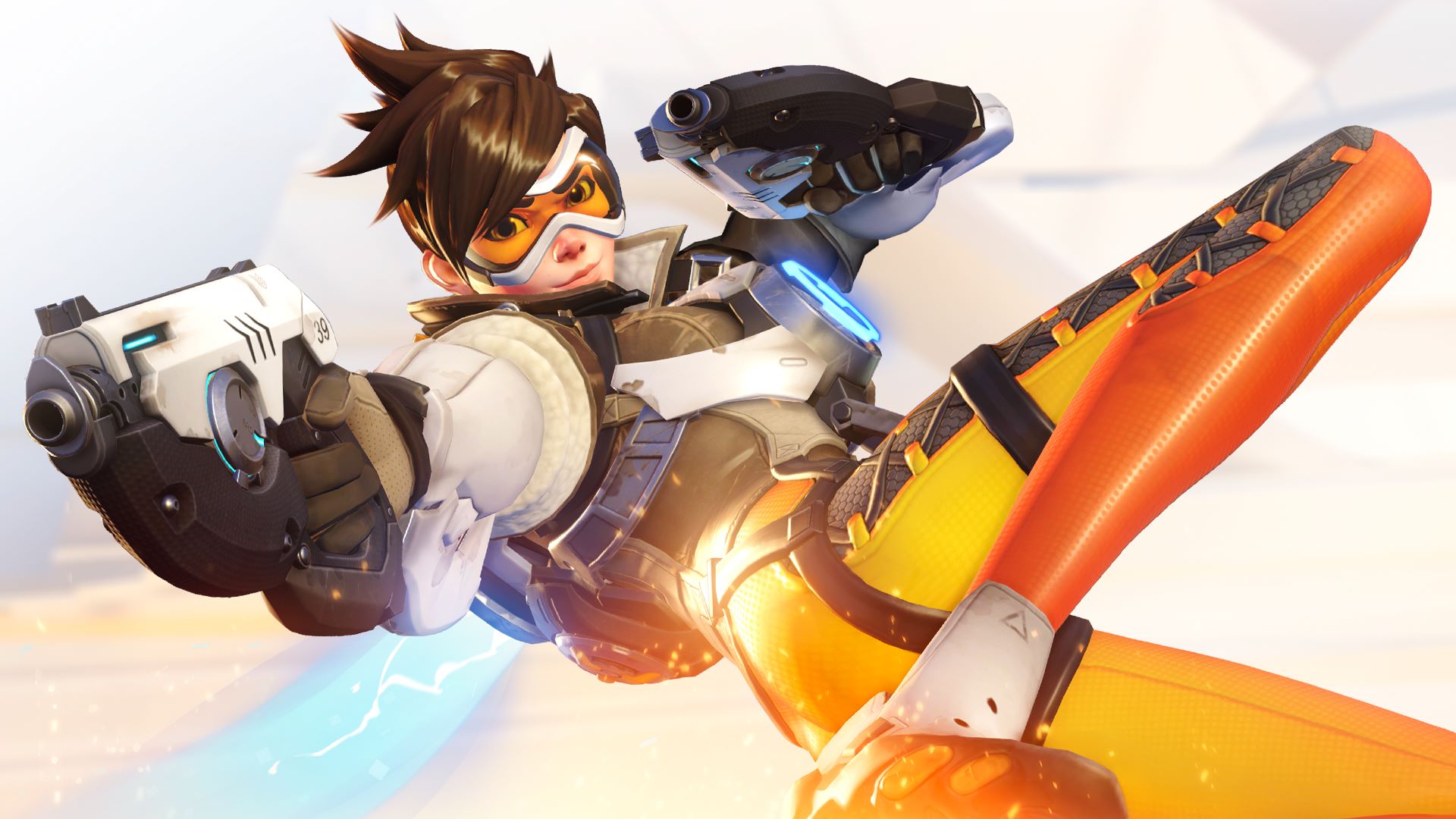
Well, folks, hold onto your payloads, because Activision-Blizzard just dropped a bombshell that will undoubtedly rattle the foundations of the hero shooter genre. Effective immediately, Overwatch 2 is officially dead, long live "Overwatch." This isn't just a simple rebrand; it's a strategic pivot, aiming to breathe fresh air into a franchise that has, frankly, felt like it was treading water since its "sequel" launch. Adding to the seismic shift, a dedicated Nintendo Switch 2 version of the game is set to launch this Spring, specifically February 4, 2026, alongside Season 2, promising a whole new demographic a slice of the action. Our analysis suggests this move signals a major commitment to the game's future, but the devil, as always, will be in the details of its execution.
The Eradication of the "2": A Necessary Correction?
Let's be blunt: the "2" in Overwatch 2 always felt like an arbitrary distinction, a marketing gimmick that ultimately fell flat. It promised a revolutionary sequel but delivered a free-to-play evolution of the original, complete with Battle Passes and a redesigned monetization model that drew significant criticism. We believe shedding the numeral is a smart, albeit late, course correction. It strips away the baggage, allowing the developers to focus on the "living universe" narrative they champion. This isn't unprecedented; we've seen other live-service titles like Rainbow Six Siege and League of Legends thrive by simply existing as continuous entities, constantly updated. This move positions Overwatch as a unified experience, finally aligning its branding with its operational reality.
Nintendo Switch 2: A New Battleground for Heroes
The announcement of a Switch 2 version is monumental. While details are scarce, the Spring 2026 launch alongside Season 2 implies a simultaneous rollout with major content. We're talking about a significant expansion of the player base, potentially bringing in a new wave of casual and core players. The real question for us veteran players, however, isn't just about the new console's power—which we anticipate will be a major upgrade over the original Switch's capabilities—but about the optimization. Can it maintain stable framerates in chaotic teamfights? Will it support full cross-play with PC and other consoles without significant input lag? And crucially, will the notorious "joy-con drift" issues impact competitive play? The success of this port could be a massive win for Activision-Blizzard, provided they nail the technical execution and deliver a stable, competitive experience.
A Flood of Content: Shaking Up the Meta
This isn't just a rebrand; it's a content offensive. The sheer volume of new heroes and narrative developments outlined is ambitious, to say the least. Here's what we're looking forward to:
- 10 New Heroes in 2026: A staggering pace that promises to continually shift the meta. We haven't seen this kind of hero output in years, a move that could combat the stale feeling many players experienced.
- Five Launching February 10: Get ready for an immediate shake-up with these new faces:
- Talon-aligned: Domina, Emre, Mizuki
- Overwatch-aligned: Anran (Hero Trial: Feb 5–10), Jetpack Cat
- Ongoing Seasonal Hero Releases: An additional hero will drop each season (2-6), ensuring constant novelty and strategic shifts. We fully expect some serious power creep with this cadence, but also ample opportunities for fresh team compositions and counter-play.
The introduction of Jetpack Cat, long a fan-favorite meme, as a playable hero is a stroke of genius, or madness, depending on who you ask. We're cautiously optimistic that it won't be a purely novelty pick, and instead bring a genuinely disruptive, yet balanced, kit to the table. The emphasis on Talon vs. Overwatch aligned heroes also hints at deeper lore integration, which is always a plus for the game's long-term narrative and player investment.
Narrative & Events: Live Storytelling Done Right?
Activision-Blizzard is clearly leaning into the live-service aspect with a "yearlong narrative arc" beginning with Talon's global supremacy in Season 1. We've seen other games stumble with ambitious live storytelling, often leaving players feeling disconnected or waiting too long for impactful developments. However, the promise of in-game events, hero trailers, animated comics, short stories, and map updates suggests a multi-pronged approach. If executed well, this could finally deliver on the promise of a truly evolving universe that Overwatch always hinted at, moving beyond the sporadic lore drops of previous years.
Meta Event: Conquest
The five-week "Conquest" faction war is exactly the kind of engaging meta-event we've been asking for. Aligning with Overwatch or Talon for rewards like 66 lootboxes, Legendary Echo skins, and faction-themed titles will undoubtedly drive player engagement. It's a smart way to tie player progression into the ongoing narrative, adding stakes beyond just winning matches, and giving players a genuine reason to grind.
Quality of Life & Surprising Collaborations
The UI and UX Overhaul with modernized menus, faster navigation, and an all-new 3D hero lobby is a welcome QoL improvement. A slicker interface means less friction and more time in the action, something every competitive game benefits from. We've long called for these kinds of foundational polish, and it's good to see it addressed.
Then there's the truly unexpected: the Hello Kitty and Friends Collaboration (Feb 10-23). This crossover pairs iconic Overwatch heroes with Hello Kitty, Kuromi, and Cinnamoroll. While some purists might scoff, we see this as a bold, potentially genius move to broaden the game's appeal. It’s certainly a unique way to introduce new cosmetics and attract a different demographic, reminiscent of other popular titles that embrace quirky, lighthearted crossovers. It's a bit of a departure from Overwatch's usual aesthetic, but it speaks to a willingness to experiment and keep the game fresh. Plus, who doesn't want to see Reinhardt swinging a Cinnamoroll hammer?
The Road Ahead: A Make or Break Moment
The decision to drop the "2" and launch on the Nintendo Switch 2, coupled with an aggressive content roadmap, signals a clear intent: Activision-Blizzard is going all-in on "Overwatch" as a premier live-service title. This isn't just an update; it's a re-foundation. We're cautiously optimistic, believing that if the developers can deliver on these ambitious promises—particularly in balancing the new heroes, ensuring narrative cohesion, and optimizing the Switch 2 experience—then "Overwatch" could finally reclaim its spot at the top of the hero shooter heap. Failure to do so, however, might just bury it for good. The community is watching, and frankly, so are we, with bated breath for what promises to be a pivotal year.