

- Non-Consensual AI "Enhancements": Finji alleges TikTok is using generative AI to alter their official ad creative without permission.
- Offensive Content: The AI-generated ads reportedly turned a Black female lead character from an upcoming Finji title into a sexualized, racist caricature.
- TikTok's "Feature" Defense: Support initially denied AI use before claiming the alterations were part of an "initiative" to help advertisers get better results with less effort.
- The "Opt-Out" Insult: Despite the offensive nature of the generated content, TikTok suggested Finji simply "request to opt out" of the program.
TikTok’s AI "Optimization" is a PR Trainwreck
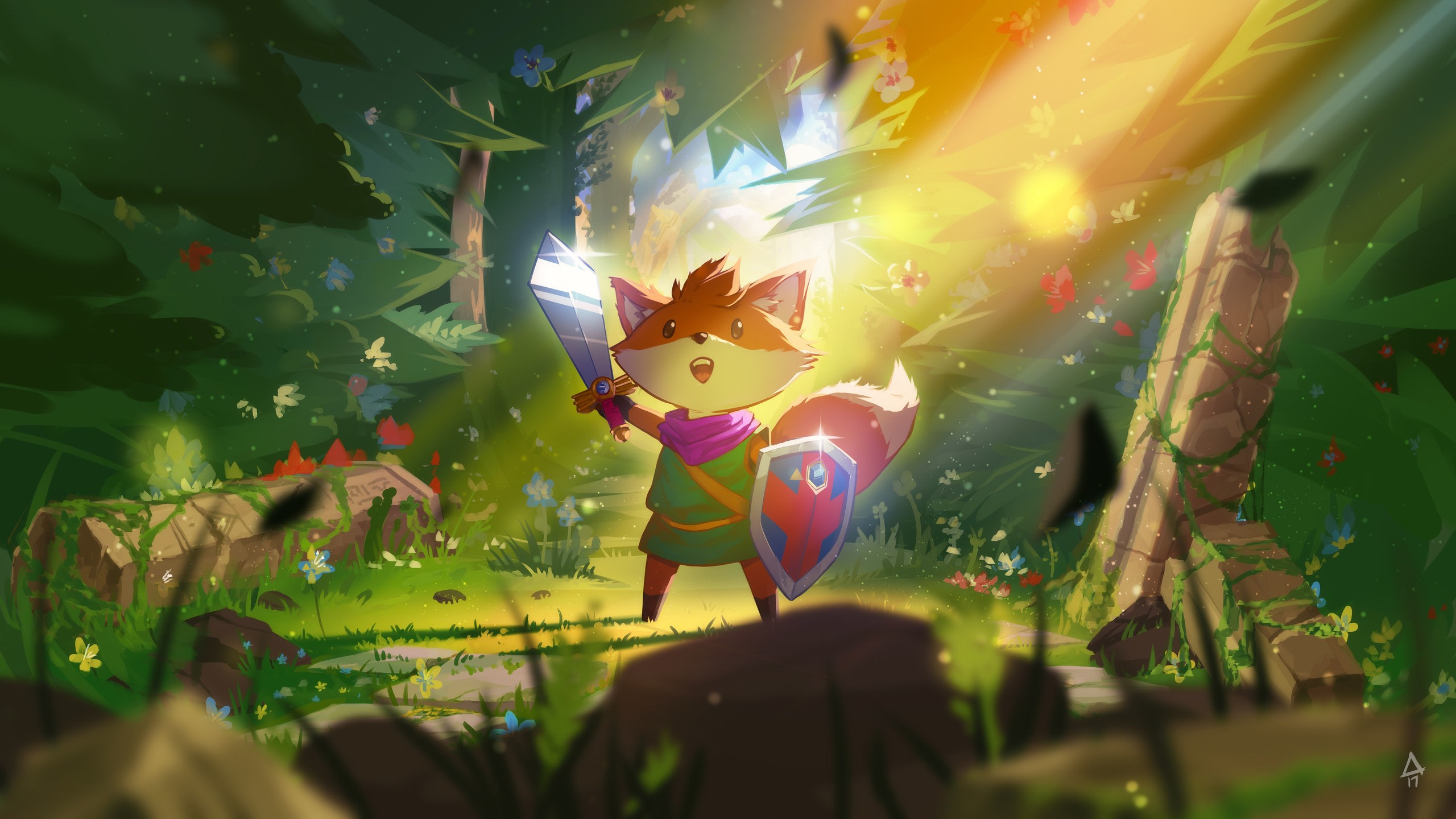
We’ve seen some tone-deaf moves in the industry lately, but TikTok’s latest stunt with indie publisher Finji—the team behind gems like Tunic and Night in the Woods—is a new low. According to Finji CEO Rebekah Saltsman, TikTok has been taking their paid advertisements and "enhancing" them with generative AI. The results aren't just off-brand; they’re reportedly toxic.
In what is becoming a recurring nightmare for developers, these AI-tweaked ads didn't just mess up a few pixels. Saltsman noted that one specific example took a lead character—a Black woman—and morphed her into a sexualized, racist caricature. This isn't just a "glitch" in the matrix; it’s a fundamental violation of a creator’s IP and a massive failure in automated content moderation. We believe this highlights the exact "soulless AI slop" that gamers and developers have been fearing as big tech tries to automate the creative process.
The Support Loop from Hell
The back-and-forth between Finji and TikTok Ads Support reads like a masterclass in corporate gaslighting. Initially, TikTok claimed they saw "no indication" of AI assets being used. Once Finji brought the receipts (actual screenshots from fans), the tune changed to: "we are no longer disputing whether this occurred."
The most infuriating part? TikTok reportedly framed this as a favor. Support told Finji this was part of an initiative to help advertisers achieve "better results with less effort." When your "effortless" solution results in racist caricatures of your partner's characters, the system isn't just broken—it’s a liability. As Saltsman put it to IGN, "What really is utterly baffling is what appears to be a profound void where common sense and business sense usually reside."
Our Take: The Indie Backlash is Justified
Finji isn't alone in this fight. We’ve seen similar sentiments from Hooded Horse, whose chief recently stated, "If we're publishing the game, no f**king AI assets." The industry is currently at a boiling point regarding generative AI, and TikTok's "initiative" to force-feed AI alterations to paying partners is only going to accelerate the exodus of quality creators from the platform.
The fact that a publisher has to "request to opt out" of having their IP butchered by an algorithm is a slap in the face. If TikTok wants to remain a viable space for game marketing, they need to stop treating creative assets like raw data for their experimental "optimization" models. For now, the message to devs is clear: keep a very close eye on your ad spend, or you might find your characters unrecognizable.
Current Status of the Dispute
While TikTok support initially promised a "senior representative" would handle the fallout, they later walked that back, claiming the current support tier was the "highest internal team available." They have, however, allegedly agreed to "re-escalate" the issue. We'll be watching to see if TikTok actually issues a formal apology or if they continue to hide behind the "it's just the algorithm" defense.