
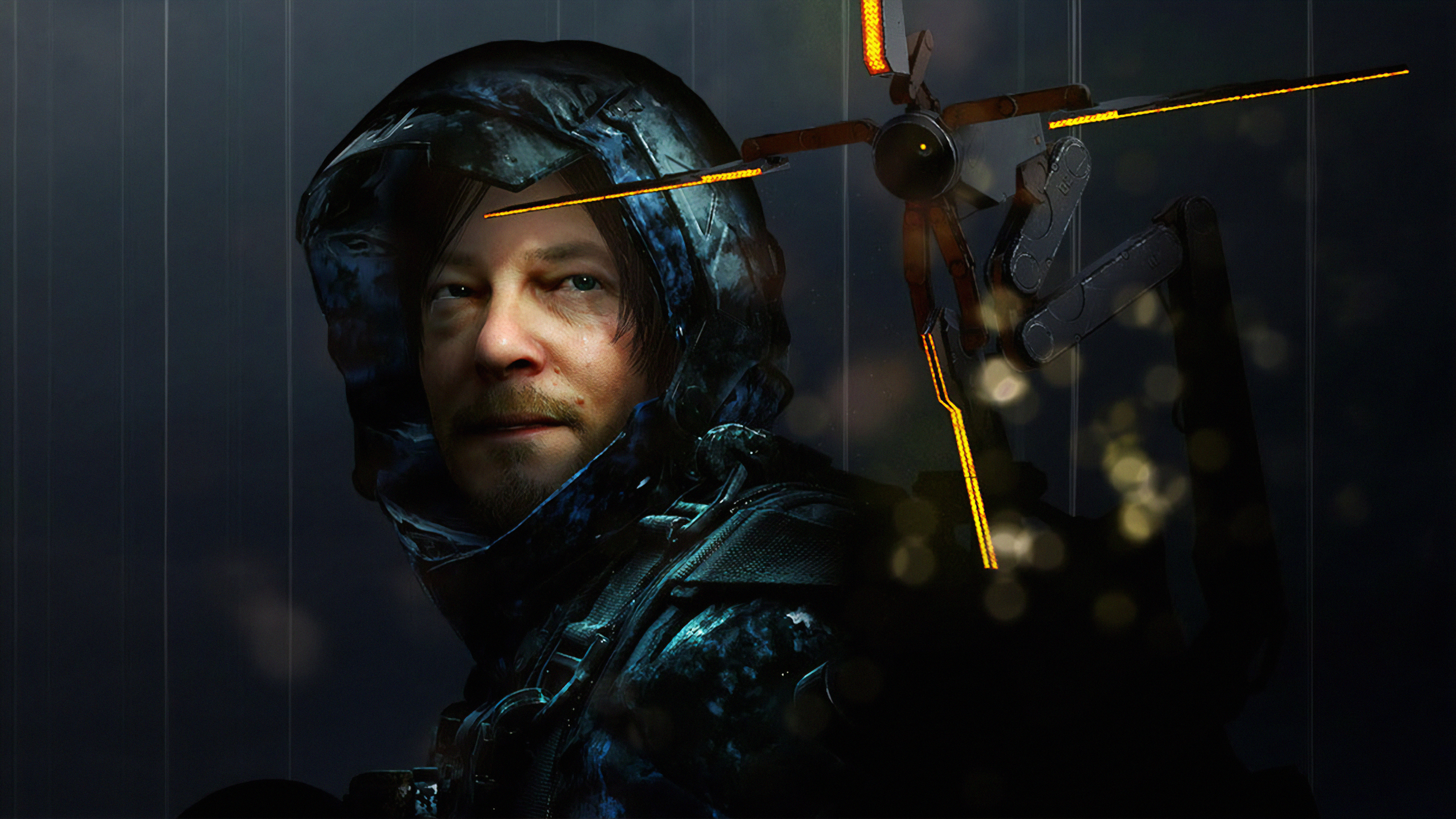
- Engine Choice: Decima was selected over commercial alternatives for its high-end rendering analysis and multi-disciplinary workflow.
- Performance Milestone: Death Stranding 2 handles scenes with 25 million polygons and complex particle effects (hundreds of fireworks) without frame rate drops.
- Deep Collaboration: Kojima Productions and Guerrilla Games share code-level updates, effectively co-developing engine features.
- Exclusive Tech: KojiPro remains the only non-Sony studio utilizing this proprietary PlayStation tech.
Why Decima? The Tech Behind the Stranding
In the world of high-end game development, the "engine wars" usually boil down to Unreal's accessibility versus the control of a custom-built solution. For Kojima Productions (KojiPro), the decision to stick with Guerrilla Games' Decima engine wasn't about ease of use—it was about the raw power under the hood. KojiPro's Chief Technology Officer, Akio Sakamoto, recently shed light on this choice, admitting that while Decima isn't exactly "approachable" compared to commercial engines, its feature set is unmatched for what they need.
We’ve long suspected that Decima’s secret sauce was its internal toolset, and Sakamoto confirmed it. The "runtime rendering analysis tools" are the standout feature here. Being able to pull deep data without leaning on external software is a massive win for a studio pushing the limits of visual fidelity. For a veteran team like KojiPro, having an environment built for large-scale, multi-disciplinary work isn't just a luxury—it's a requirement to hit the "Kojima" standard of quality.
The 25 Million Polygon Benchmark
The numbers coming out of Death Stranding 2: On the Beach are frankly staggering. Sakamoto highlighted two specific technical hurdles: the opening mountain sequence and a chaotic scene featuring hundreds of simultaneous fireworks. In a move that would likely melt most hardware, the opening environment hit a count of approximately 25 million polygons.
Our take? Achieving a stable frame rate with that level of geometry is a masterclass in optimization. It shows that Decima isn't just a pretty face; it’s a workhorse capable of handling massive data throughput. Sakamoto notes that while "no engine is the best choice in every scenario," Decima allows them to pull off technical feats that would be "difficult to achieve elsewhere."
A Rare Code-Level Partnership
What’s truly fascinating is the working relationship between KojiPro and Guerrilla Games. This isn't a simple "license and use" agreement. Sakamoto revealed that the two studios hold regular meetings to swap feedback. When KojiPro needs a specific feature for Sam Bridges’ latest outing, they don’t wait for a patch—they build it themselves.
"When we need functionality specific to our projects, we modify the engine ourselves – and in some cases, develop entirely new features," Sakamoto explains. The kicker? They share these updates with Guerrilla at the code level. This kind of transparent, cross-studio collaboration is rare in an industry that usually guards proprietary tech like a dragon’s hoard. It effectively turns KojiPro into a co-architect of the engine, ensuring that Decima stays at the bleeding edge for both Horizon and Death Stranding.
The Future of PlayStation’s Powerhouse
While Decima has proven its worth in the hands of KojiPro and Guerrilla, the big question remains: will Sony open the floodgates? Rumors suggest PlayStation has "grand plans" for the engine, potentially pushing it to more PlayStation Studios. If these results are any indication, that's a move that could significantly raise the bar for the entire PS5 library. For now, KojiPro is the only outsider with the keys to the kingdom, and they are clearly making every single polygon count.