
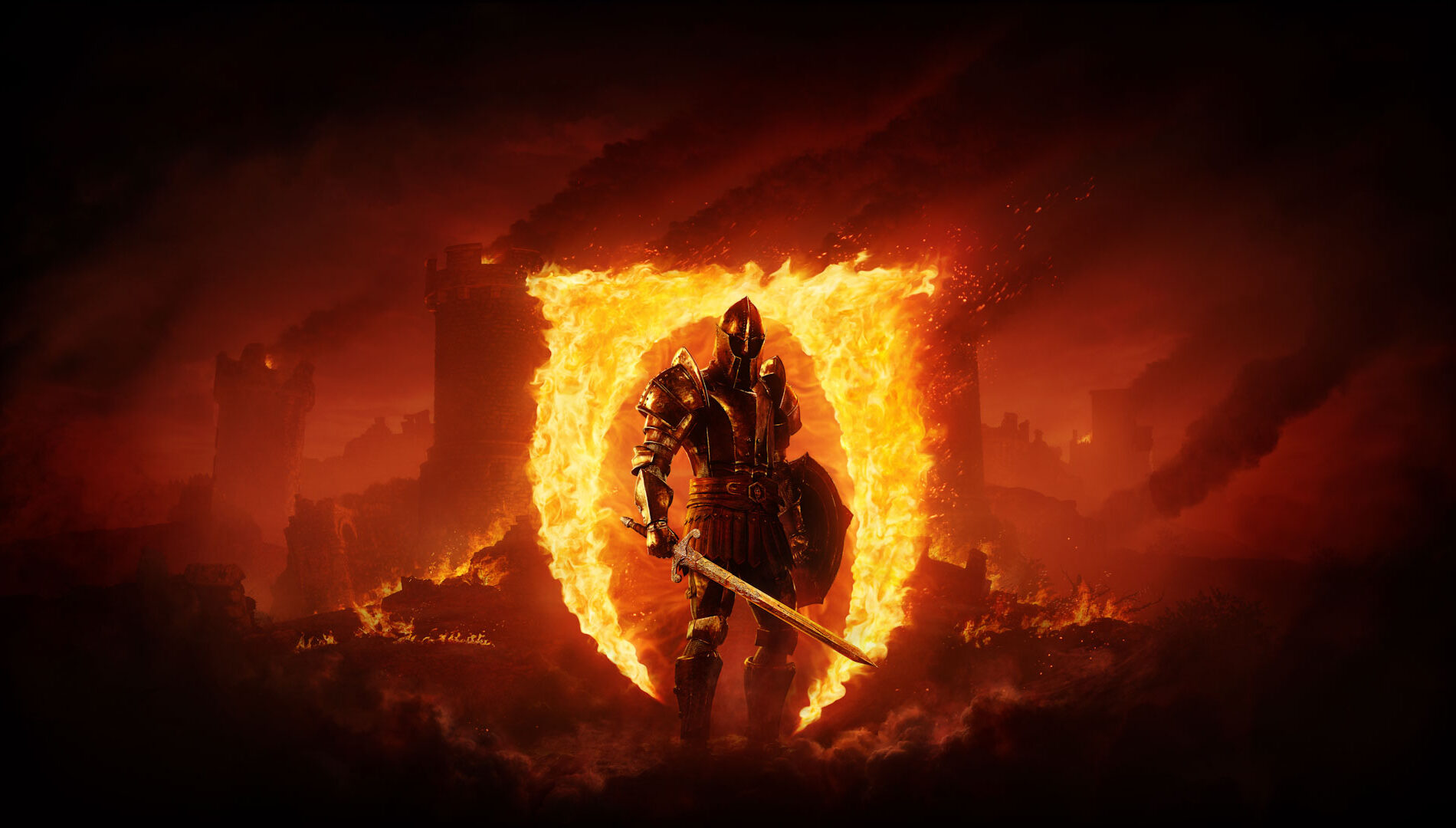
We’ve just received confirmation that The Elder Scrolls IV: Oblivion Remastered is officially hitting the Nintendo Switch 2 in 2026. While this is undoubtedly a massive win for Nintendo’s next-gen console and a serious statement of intent from Bethesda, the timing raises a few eyebrows for us veteran Tamriel explorers. Coming almost a year after its launch on other platforms, our immediate take is cautious optimism mixed with a healthy dose of "what took you so long?"
The announcement came hot off the wire, solidified by a tweet from Nintendo of America. "From the ashes, a hero shall rise… Cyrodiil calls!" they declared, teasing a return to the sprawling, vibrant, and often quirky world of Oblivion. For many, this is huge. Oblivion, originally released way back in 2006, holds a special place in the hearts of RPG fans, bridging the gap between the more traditional Morrowind and the universally popular Skyrim.
Here’s the rundown on the key details we have so far:
| Detail | Information |
|---|---|
| Game Title | The Elder Scrolls IV: Oblivion Remastered |
| Platform | Nintendo Switch 2 |
| Announcement Date | February 5, 2026 |
| Release Window | Sometime in 2026 (specific date TBD) |
| Previous Launch | Other platforms (last year, likely 2025) |
Now, let's talk brass tacks. Bethesda isn't a stranger to Nintendo hardware. We saw **Skyrim** make a surprisingly solid jump to the original Switch, followed by decent ports of **Doom** and **Wolfenstein**. Those were, frankly, miracle ports that pushed the hardware. However, Oblivion is a different beast entirely. Unlike Skyrim's smoother engine, Oblivion's original codebase was infamous for its quirks, memory leaks, and performance hiccups even on high-end PCs of its era. A "remaster" implies significant upgrades, not just a spit polish.
Our biggest question is the **delay**. Why did the Switch 2 miss the initial launch alongside other platforms last year? Was it hardware optimization, ensuring a stable framerate and improved draw distance on a handheld? Or was it a strategic staggered release, holding back a marquee title to bolster the Switch 2's early 2026 lineup? Frankly, we lean towards the former. Optimizing a massive open-world RPG like Oblivion, even a remastered one, for Nintendo's unique architecture is no small feat.
The consequences for the Switch 2 are clear: this instantly adds a high-profile, mature, and critically acclaimed RPG to its nascent library. This isn't just another indie port; this is a game that redefined open-world mechanics for a generation. It signifies that the Switch 2 isn't just for first-party Nintendo titles and family-friendly fare; it’s a platform ready to tackle more technically demanding experiences.
However, we're holding our judgment on the technical execution. The "Remastered" tag promises enhanced visuals and hopefully some much-needed quality-of-life (QoL) improvements that the original desperately needed. But will it maintain a locked 30fps? Will the infamous texture pop-in be minimized? And what about the UI, originally designed for larger screens? These are critical aspects that could make or break the portable experience.
For those who've been holding off (like our fellow gamer CosmicTornado, whose comment echoes the sentiment of many), this is fantastic news. The ability to delve back into Cyrodiil and close Oblivion Gates on the go is undeniably alluring. But for us, the real test will be if Bethesda can deliver a version that not only runs well but truly feels like a *remaster* worthy of its legacy on a handheld. We'll be keeping a close eye on those trailers and gameplay reveals, ready to scrutinize every framerate dip and texture detail. Let's hope the hero that rises from the ashes of Cyrodiil isn't suffering from severe performance issues.