
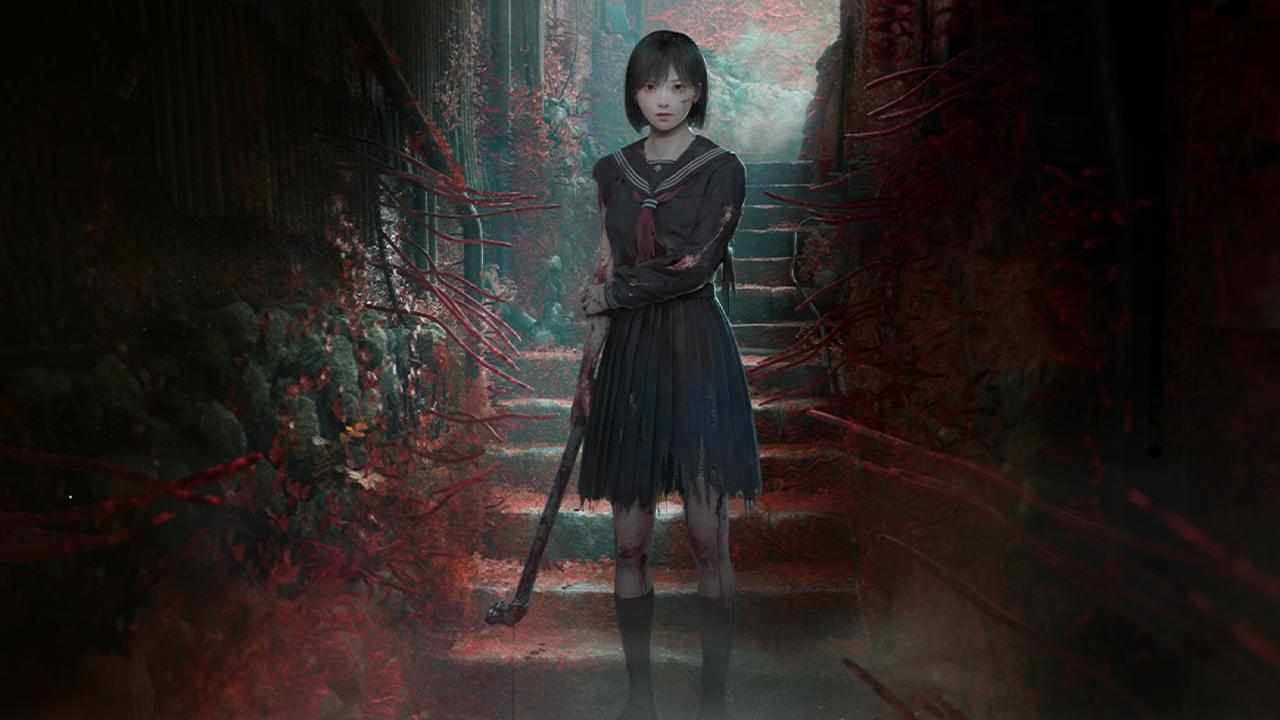
Key Takeaways: Silent Hill f – A Masterclass in Legacy Horror
- Legacy Secured: *Silent Hill f* isn't just a great horror game; it’s a masterclass in recapturing the chilling essence of Team Silent, earning its place among the series' best. It's the most *Silent Hill* since *Silent Hill* itself.
- Echoes of Trauma: Protagonists Hinako and Alessa Gillespie share an unnerving number of direct parallels, from their abrupt loss of childhood to their manipulation by insidious forces, framing *f* as a spiritual successor to the original's narrative core.
- The Drug Endures: The infamous hallucinogen "White Claudia" (rebranded as *kakura-makakura* in Ebisugaoka) remains a brutal instrument of control and torment, deeply entwined with both girls' tragic stories.
- Environment as Antagonist: The very towns of Ebisugaoka and Silent Hill mirror each other as grim, oppressive environments, actively shaping the trauma inflicted on their central figures. Both are poorer, coal-mining towns housing intense religious followings.
- Betrayal & Abuse: Both Hinako and Alessa navigate treacherous friendships and endure horrific abuse within their own homes, orchestrated by parents and peers, solidifying their roles as isolated outcasts.
Silent Hill f: The Return We've Been Waiting For
Alright, fellow gamers, let's cut to the chase. When *Silent Hill f* dropped, many of us, myself included, were cautiously optimistic. Could it truly capture the terrifying magic of Team Silent? The verdict is in: NeoBards, the brilliant minds behind this entry, absolutely crushed it. This game isn't just a good *Silent Hill* title; it’s a contender for one of the greatest horror games of all time, largely because it understands and masterfully reiterates the series' fundamental DNA.
As veteran fans, we've yearned for a return to form, and *Silent Hill f* delivers, cementing its place by being painstakingly faithful to the oppressive atmosphere and profound psychological horror that defined the originals. It’s a game so steeped in the franchise's lore and thematic integrity that, as some have noted, it feels like the most *Silent Hill* game since the original *Silent Hill* itself.
A Protagonist Forged in Familiar Flames: Hinako and Alessa
Our deep dive reveals something truly compelling: *Silent Hill f* protagonist, Shimizu Hinako, is essentially a thematic mirror to the iconic Alessa Gillespie. The parallels are not just subtle nods; they are glaring, intentional echoes that make playing Hinako's story feel uncannily like experiencing Silent Hill from Alessa's point of view, just transposed to Japan instead of New England. It’s a brilliant narrative choice that resonates deeply with the series' core.
Loss of Childhood & Trauma
At its core, the *Silent Hill* series has always been about trauma and the lingering scars of abuse. For both Alessa and Hinako, this manifests as an abrupt, violent loss of childhood. Alessa, forced into a martyr role by The Order and her mother, Dahlia Gillespie, was expected to birth a god, even enduring ritualistic immolation. Hinako’s plight, while culturally distinct, is equally devastating, stemming from her fears of marriage and societal expectations. This is expertly represented by the terrifying *oi-omoi* monster, a wailing, hop-scotching entity composed of dolls, whose name implies "large responsibility" or "many thoughts" – a direct manifestation of Hinako's stolen innocence. Both girls were stripped of their formative years, replaced by unimaginable burdens.
The Twisted Friendships
Isolation is a hallmark of Silent Hill, yet both Alessa and Hinako had what appeared to be close friends who ultimately served their own nefarious agendas. Alessa's "true friend," Claudia Wolf, turned out to be a relentless enforcer of The Order's wishes, twisting her admiration into a sick form of worship. In Ebisugaoka, Hinako's childhood best friend, Shu Iwai, seems helpful with his pharmaceutical gifts for her headaches. However, we later discover those "red capsules" are packed with White Claudia – a dangerous hallucinogen – which Shu knowingly administered to prevent her marriage. In both cases, these friendships, ostensibly sources of comfort, became instruments of control and deeper torment.
The Scourge of White Claudia
Speaking of White Claudia, this hallucinogenic substance is practically a hidden character in the *Silent Hill* universe. In the original, processed into PTV, it was The Order's go-to for rituals and even used to keep Alessa alive post-burns, subjecting her to unimaginable pain and hallucinations. *Silent Hill f* brings it back with a vengeance, rebranded as the *kakura-makakura*. These are the very "red capsules" Shu gives Hinako, designed to force her to confront her inner demons and perpetuate her suffering. The drug's omnipresence underscores a chilling constant across both narratives: manipulation through altered reality.
Personalities Forged in Fire
Before their respective traumas, both Hinako and Alessa were described as cheerful and energetic. The game's advertising for Hinako specifically mentioned her transformation from a vibrant child to a restrained teenager, burdened by societal and familial expectations. Alessa, too, was once just a little girl who wanted her mother, but the abuse she endured twisted her into the complicated "antagonist" we encounter. By the time we truly meet them, they are shells of their former selves, their smiles tragically absent, save for fan art.
A World of Shadows: Ebisugaoka and Silent Hill
It's not just the girls; their environments are equally complicit in their torment. Ebisugaoka and Silent Hill function as sister cities of dread, confirming our long-held belief that environment directly molds an individual. These aren't just backdrops; they're active participants in the trauma.
Hometown Horrors & Societal Pressure
Both towns are depicted as poorer, coal-mining communities with intense religious followings, laying a unique, oppressive foundation for Hinako and Alessa’s lives. This societal pressure manifests differently but with equal cruelty. Hinako, a tomboyish teenager, faces bullying tailored to Japanese cultural norms, often indirect, such as the "Origami of Grievances" found in her middle school. This ostracizes her for not conforming to feminine ideals. Alessa, conversely, endured the direct, brutal bullying more common in American settings, evidenced by hateful carvings in Midwich Elementary. Her tormentors even manifested as terrifying monsters like the Grey Children, a visceral representation of her vengeance. Even their school uniforms, ironically, share design inspirations.
Abusive Foundations and Cult Control
The familial units in both games are utterly toxic. *Silent Hill f* immediately establishes the Shimizu household as a cesspool of abuse, with an alcoholic, violent father and an enabling mother. Hinako's father, Kanta, even goes so far as to throw a knife at her and attempt to sell her off for marriage. Alessa's mother, Dahlia, leader of The Order, raised her daughter in a cult that sought to impregnate her with their god. Neither girl had a chance at a normal childhood, forced into premature adulthood by the very people meant to protect them. This motif of oppression, whether from traditionalism or outright cult fanaticism, is palpable and deeply unsettling.
The Cult's Grasp: Deeper Than We Knew
The Order, the doomsday cult responsible for nearly everything wrong in Alessa's life and Silent Hill itself, has been a series cornerstone. *Silent Hill f* dives headfirst into similar themes, suggesting that Hinako, too, is targeted and groomed by an insidious, cult-like entity. This parallel further reinforces the idea that the underlying forces of despair and manipulation are universal, transcending geographical and cultural boundaries within the Silent Hill universe.
Our take? *Silent Hill f* is a triumph. It doesn't just rehash old ideas; it re-contextualizes them, offering a fresh yet deeply familiar narrative that honors the legacy while pushing the envelope. This is the kind of thoughtful, disturbing horror we've craved, proving that the silent hills still have plenty of stories left to tell.