
| Title | Reanimal |
|---|---|
| Release Status | Available Now |
| Platforms | Xbox Series X|S, Xbox on PC (Xbox Play Anywhere support) |
| Developer | Tarsier Studios (Creators of Little Nightmares) |
| Publisher | THQ Nordic |
| Standard Edition Price | $39.99 USD |
| Digital Deluxe Edition Price | $59.99 USD |
Reanimal: Tarsier Studios Delivers Co-Op Horror You Can Grab Onto
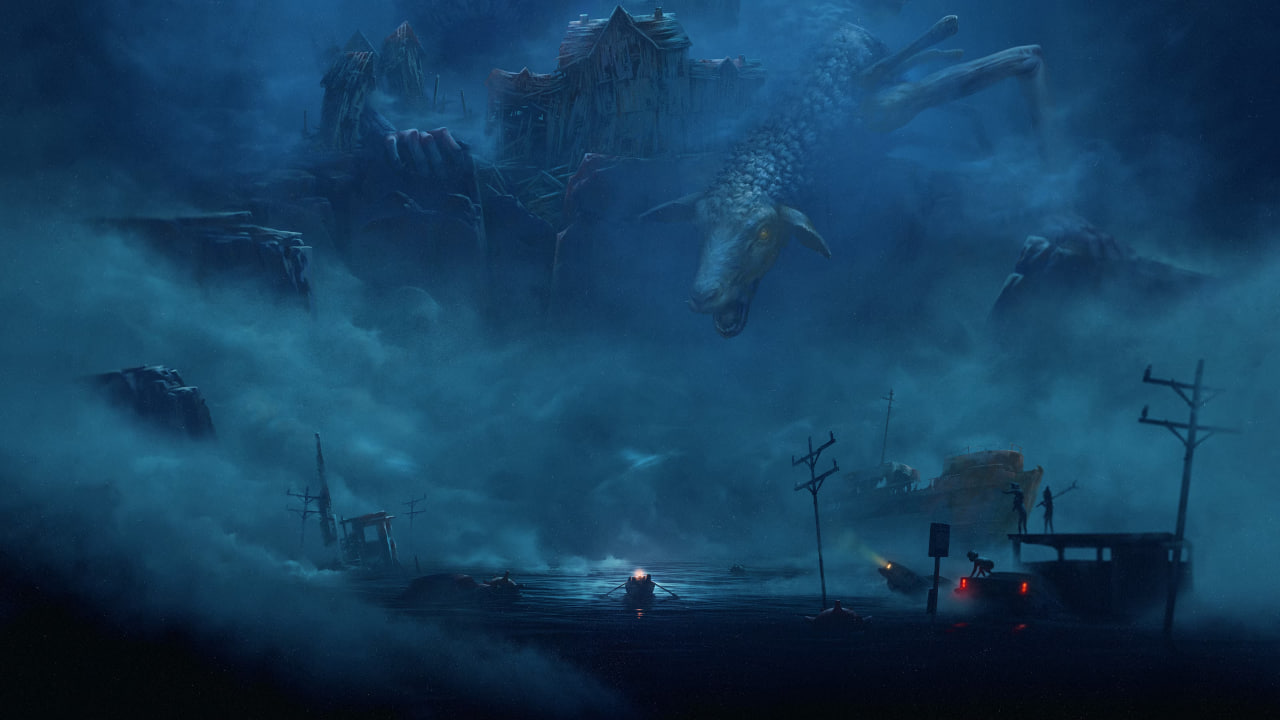
Alright, gamers, buckle up. Tarsier Studios, the brilliant minds behind the unsettling 'Little Nightmares' series, have dropped their latest creation, 'Reanimal,' and it's hitting Xbox Series X|S and PC today. As Lead Tech Analyst here at In Game News, I've had my hands on it, and let me tell you, this isn't just another spooky ride; it's a meticulously crafted experience designed from the ground up to make you want to clutch your co-op partner. Because, as our own scarred childhoods often prove, sometimes being terrified is just better with a friend.
The Power of Shared Scares: Co-Op as a Core Pillar
Producer and Studio Co-founder Andreas Johnsson, alongside Narrative Director David Mervick, pulled back the curtain on 'Reanimal's' foundational design. It’s no secret that the 'Little Nightmares' community organically leaned into shared experiences, with players doing "pass-and-play" or having friends watch on. Johnsson notes, "we saw that a lot of people really resonated with having someone else to experience the game with. Part of that is probably because it’s a bit tense, a bit scary, so you need some kind of way of relieving that, so it’s a great way of having someone with you that you can grab."
This isn't just tacked-on co-op; it's a central pillar. You and a friend (or the AI) control two small orphans navigating a drab, nightmarish island filled with truly grotesque creatures. The core gameplay loop—hiding, puzzle-solving, and constant tension—is amplified by knowing someone else is in the dread with you. Crucially, the camera system, a "big liberator" according to Mervick, maintains a single perspective across solo and co-op modes, avoiding the immersion-breaking split-screen common in other titles. This ensures that whether you're alone or with a buddy, the experience is consistently cinematic and claustrophobic when danger looms.
Formative Terrors: From Lindgren to Lynch
It's fascinating to peek behind the curtain at the influences that shape such unique horror. Both Johnsson and Mervick cited formative experiences that range from the deeply personal to genre-defining cinema. Johnsson highlighted Astrid Lindgren's stories from his Swedish upbringing, acknowledging that while "not horror, per se, but it’s horrific stories about kids." This insight perfectly aligns with 'Reanimal's' premise of small children in a colossal, terrifying world.
The classics 'Jaws' and 'Alien' also surfaced, praised for their masterful restraint. Johnsson recounted seeing 'Alien' "way too young" at around 10, a testament to the lasting impact of early exposure. Mervick, however, takes the cake with a story that sounds straight out of a bizarre '80s horror-comedy. Growing up around Liverpool, a local "film guy" would show clips at kids' parties – a wild montage of 'The Incredible Melting Man,' Quint getting eaten in 'Jaws,' 'Texas Chainsaw Massacre,' and 'Driller Killer,' all interspersed with 'Lady and the Tramp' or 'Pete's Dragon.' We're talking 6-7 year olds witnessing pure cinematic trauma! Mervick reflects, "you look back and I would not let that guy within inches of my kid, but we’re fine—we made it." This kind of chaotic, social, and often inappropriate exposure clearly shaped their understanding of horror's power.
The Lynchian Ethos: Trusting the Nightmare
Perhaps the most compelling creative influence discussed was the late, great David Lynch. Mervick describes him as a "big influence throughout his life," particularly 'Twin Peaks' and 'Fire Walk with Me,' noting Lynch's ability to combine everyday drama with "some of the most dreadful stuff I've ever, ever experienced." For Mervick, Lynch's horror isn't just gore; it's deeply emotional and gut-wrenching.
More profoundly, Lynch's intuitive art-making ethos deeply informed Tarsier's approach. Mervick referenced Lynch's philosophy from "Lynch on Lynch," where you "don’t know where an idea comes from, but you’ve got to grab it." This translates to a design process where the team trusts their gut, even when they can't fully articulate *why* something works. "We don’t know one hundred percent why we love it, but we know we do," Johnsson confirmed. This Lynchian trust in subconscious resonance is evident in 'Reanimal' itself, which conjures the unsettling, dreamlike coherence of a true nightmare, rather than the explicit, visceral horror of, say, a 'Resident Evil Requiem.' It's hauntingly coherent without feeling entirely explicable, a design choice we find incredibly refreshing and potent.
The Price of Dread: Editions and Future Horrors
'Reanimal' is available now in two editions: the standard for $39.99 and the Digital Deluxe for $59.99. The Deluxe Edition is a solid value proposition for fans, bundling the Season Pass which includes exclusive Foxhead and Muttonhead masks DLC, and three substantial story chapters: 'The Expanded World – Chapter 1' (Summer 2026), 'Chapter 2' (Fall 2026), and 'Chapter 3' (Early 2027). This commitment to post-launch content, extending the narrative well into the future, tells us Tarsier has big plans for this universe.
Having experienced 'Reanimal' firsthand, we can confidently say it’s a triumph for Tarsier Studios. It's a game that respects your time with "short, focused, and considered" memorable moments, avoiding unnecessary padding. The unique blend of co-op support, deeply personal influences, and a Lynchian creative process results in a horror game that doesn't just scare you, but lingers in your mind. Go get scared, but maybe grab a friend while you're at it. You'll thank us later.