
Baby Steps Designers Trolled Players With Untested Climbing Challenges
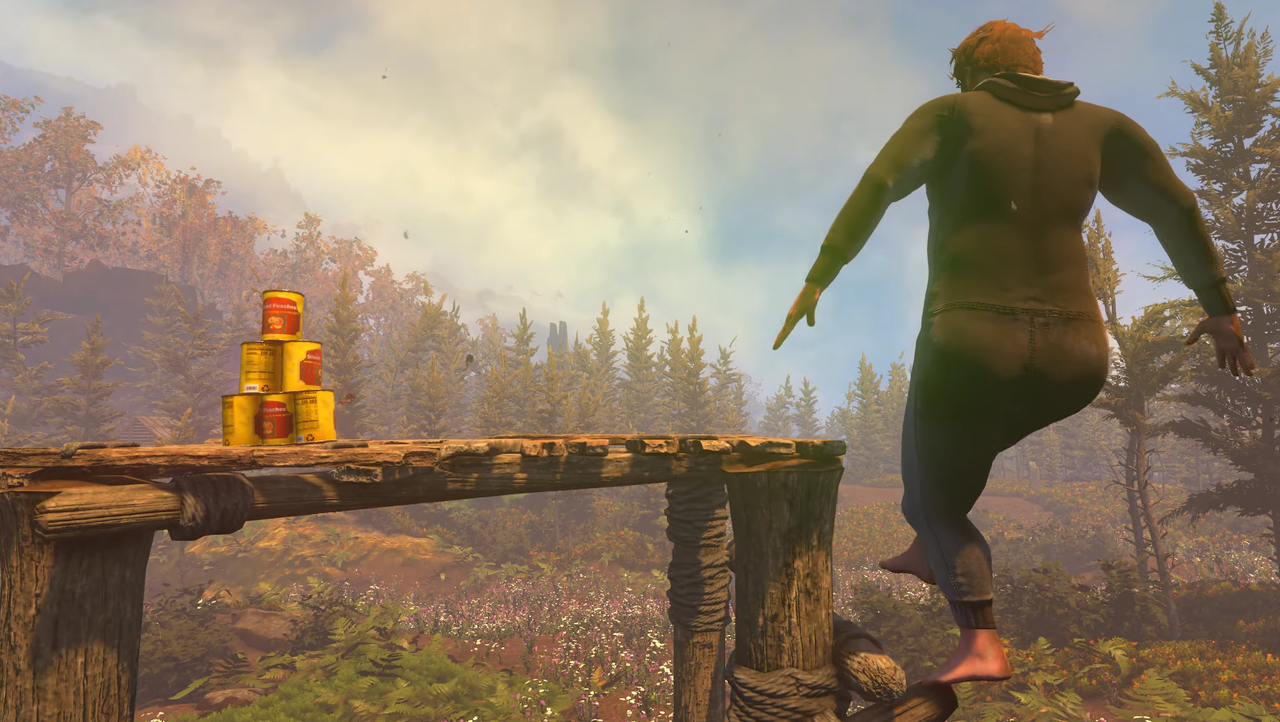
- Game: Baby Steps
- Developer: Gabe Cuzillo, Bennett Foddy, and Maxi Boch
- Release Date: September 23, 2025
- Platform: PC
Players seeking a definitive walkthrough or wiki for Baby Steps have encountered an unexpected design philosophy that defies traditional trophy guide expectations. As reported by In Game News, the developers behind this physics-based adventure game intentionally bypassed standard quality assurance for specific obstacles. By placing stacks of cans at the summit of various climbing challenges without performing internal testing, the team created a unique form of player interaction that challenges the standard conventions of game design.
The Design Philosophy Behind Baby Steps Climbing Challenges
Most modern titles prioritize a smooth progression flow, ensuring that players do not encounter obstacles that feel unfair or impossible to clear. Baby Steps, however, operates on a different set of principles. The developers, including Gabe Cuzillo, Bennett Foddy, and Maxi Boch, opted to leave specific sections of the environment—specifically those featuring precarious stacks of cans—entirely untested. This decision was not a result of time constraints or oversight, but a deliberate choice to see how the player base would interact with unverified, potentially broken mechanics.
This approach to game design shifts the focus from a curated experience to an emergent one. When developers stop testing climbing challenges, they invite the community to find solutions that the creators themselves may not have anticipated. For those looking for more information on how this title fits into the current gaming market, you can visit our Indie Games coverage.
What Did Baby Steps Designers Do to Troll Players?
The core of the trolling effort involved the placement of physical objects in the game world that were intended to frustrate or confuse the player. By creating "plausible" looking climbing paths that ended in unstable, untested stacks of cans, the designers created a scenario where the player's progress was entirely dependent on their ability to navigate physics glitches or unconventional movement patterns. This design choice serves as a commentary on the relationship between developer intent and player persistence.
The community response was immediate. Rather than abandoning these sections, players treated them as high-skill speedrunning or completionist goals. The fact that players managed to overcome these obstacles highlights the dedication of the Baby Steps community to master even the most erratic mechanics.
Why Did Baby Steps Developers Stop Testing Climbing Challenges?
The decision to halt testing on these specific segments was rooted in a desire to preserve a sense of mystery and difficulty. In traditional game development, playtesting is used to identify and remove "impossible" scenarios. By removing this filter, the developers allowed the game to retain a raw, unpredictable quality. This strategy aligns with the game's broader thematic focus on the struggle of movement and the absurdity of progress.
For more updates on how developers are shaping player experiences in 2026, check out our Game Design analysis.
The Success Rate of Players Against Impossible Stacks
Despite the lack of testing, the player base has shown a remarkable ability to adapt to the game's physics. According to recent reports, players have successfully navigated nearly every one of these untested can-based obstacles. This high success rate across the community suggests that even when developers intend to create an insurmountable challenge, the collective ingenuity of the player base often finds a way to succeed.
However, there is one notable exception. One specific climbing challenge remains unconquered by the community at large. This single instance serves as a testament to the unpredictable nature of the game's physics engine when pushed to its limits by the developers' intentional design choices.
Latest Baby Steps Game Design News 2026
As of March 2026, the status of Baby Steps remains a focal point for those interested in the evolution of the indie adventure genre. The game, which was released on PC on September 23, 2025, continues to generate discussion regarding its unconventional approach to player feedback and difficulty curves. The transparency from the developers regarding their testing process has provided a rare look into the collaborative, albeit sometimes antagonistic, relationship between creators and players.
The following table summarizes the key aspects of the developer's approach to the game's design:
| Design Aspect | Developer Approach |
|---|---|
| Playtesting | Deliberately skipped for specific can stack challenges. |
| Player Goal | Overcome physics-based obstacles to reach summits. |
| Community Impact | Players successfully conquered almost all untested segments. |
| Current Status | One challenge remains uncompleted by the community. |
Frequently Asked Questions
Did the Baby Steps developers test all the climbing challenges in the game?
No, the developers admitted to leaving several climbing challenges, specifically those involving stacks of cans, completely untested as a way to troll players.
Were players able to complete the impossible can stack challenges in Baby Steps?
Players successfully managed to climb almost all of the untested can stacks, with the exception of one singular challenge that remains unconquered.
What is the primary gameplay mechanic in Baby Steps?
Baby Steps is an adventure game focused on complex, physics-based movement and climbing challenges that require precise player input.