
DeeSicks 2026: Physics-Based Roguelike Mechanics Explained
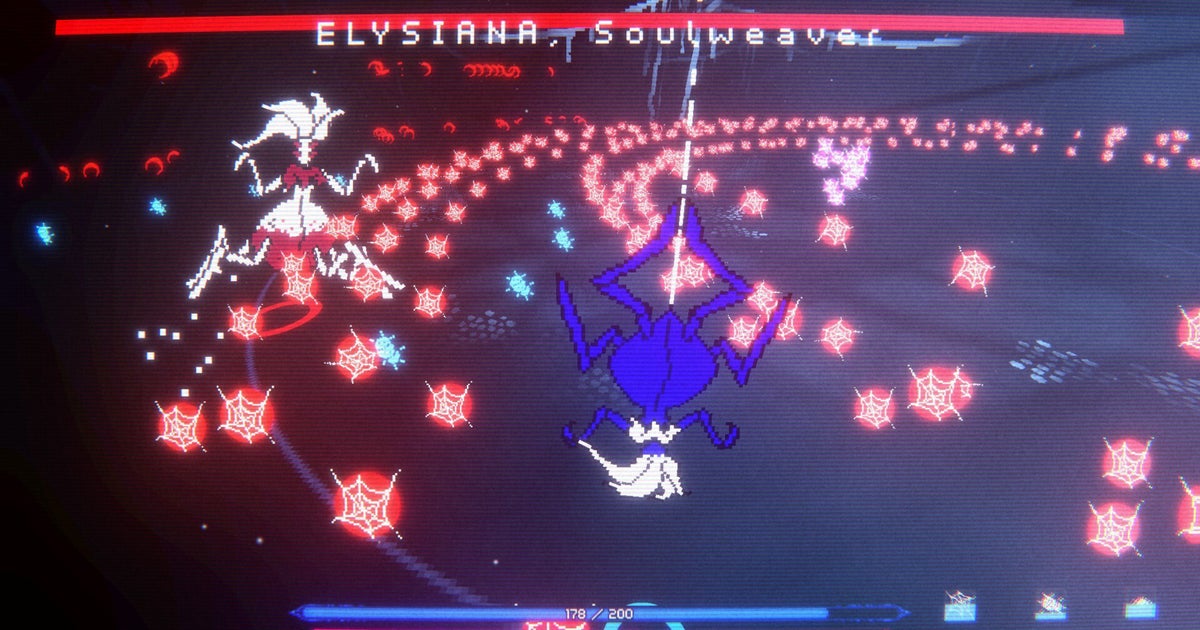
- Game: DeeSicks
- Developer: Feenicks (vault.rpg)
- Platform: PC
- Release Date: 2026
DeeSicks is a physics-based roguelike arriving on PC in 2026, offering a unique departure from the traditional construction-focused gameplay seen in titles like Minecraft by Mojang or the high-stakes combat of Elden Ring: Shadow of the Erdtree. Developed by the team at vault.rpg (Feenicks), the title focuses on the intersection of chaotic physics simulations and turn-based strategy elements. Unlike the structured blocks of Bedrock Edition, this experience forces players to contend with unpredictable, momentum-driven interactions that redefine how roguelike encounters are managed.
Understanding the Core Mechanics of DeeSicks
At the center of the experience is a reliance on physics-based interactions that govern both the player character and the environment. Players are not merely navigating a map; they are actively manipulating the physical state of the game world. The core mechanics of DeeSicks revolve around the concept of 'dicerolling' as a weaponized system. By rolling dice that possess specific physical properties, players influence the trajectory and intensity of bullet hell patterns. These patterns are not static; they are the direct result of the dice's interaction with the game's physics engine.
As we have observed in our coverage at In Game News, the transition from standard roguelike tropes to this physics-first approach creates a high degree of variance. Players must account for friction, mass, and velocity when deploying their dice, turning every combat encounter into a puzzle of kinetic energy. This is a significant shift from the predictable outcomes found in many RPGs, making the player's ability to adapt to the game's simulated environment the primary skill ceiling.
The Role of the Dicerolling System
The question of how the dicerolling system works in DeeSicks is central to understanding its difficulty curve. Each die functions as a modular component that can be modified or combined with others to produce different bullet hell effects. When a die is rolled, its physical path determines the shape and density of the projectiles launched into the arena. If a die hits an obstacle, its trajectory changes, which in turn alters the pattern of the bullet hell. This creates a feedback loop where the player is essentially building their own boss-level encounter while simultaneously trying to survive it.
This system forces a constant re-evaluation of loadouts. Players must decide whether to prioritize dice that provide high damage output or those that offer more predictable physical behavior. Because the game is a roguelike, these choices are permanent for the duration of the run, and the lack of a traditional 'safe' zone means that every roll carries the risk of creating a bullet hell pattern that is impossible to dodge.
Comparing the Gameplay Loop to Industry Standards
To understand what the gameplay loop of DeeSicks entails, one must look at how it handles progression. Unlike the expansive open-world exploration of Elden Ring: Shadow of the Erdtree, the loop here is contained within specific, high-intensity arenas. Players enter an encounter, utilize their dice to generate defensive and offensive patterns, and attempt to clear the room to proceed to the next stage. The 'roguelike' label is earned through the procedural generation of these arenas and the random nature of the dice modifiers available to the player.
We have compiled a list of key differences between this title and more traditional PC gaming staples:
- Physics vs. Grid: While Minecraft relies on a grid-based system for building, DeeSicks uses a continuous physics simulation for combat.
- Combat Philosophy: In Elden Ring, combat is about timing and pattern recognition of enemy attacks; in DeeSicks, the player is the one creating the patterns.
- Progression: The game utilizes run-based progression where the primary currency is the modification of dice properties rather than character levels.
For more information on how this title fits into the current gaming market, check out our PC gaming news coverage. We continue to monitor the development progress as the 2026 release window approaches, ensuring our readers have the latest details on how Feenicks plans to balance the chaos of their physics engine.
Is DeeSicks a Physics-Based Roguelike?
The classification of the game as a physics-based roguelike is accurate based on the current 2026 documentation provided by the developer. The game does not rely on random number generation (RNG) in the traditional sense of 'dice rolls determining success.' Instead, the 'dice' are physical objects that interact with the world, and the 'roll' is a physical action performed by the player. This distinction is vital for players who are accustomed to digital-only RPG mechanics.
By removing the abstraction between the roll and the result, Feenicks has created a system where player input is directly linked to the consequences of the physics simulation. If a player fails a run, it is rarely because of 'bad luck' in the traditional sense, but rather a miscalculation of how the dice would interact with the environment. This focus on mechanical mastery over statistical probability is what defines the experience.
For those interested in how these mechanics compare to other experimental titles, you can visit our roguelike genre analysis for a broader perspective on the evolution of the genre. The 2026 release will be a benchmark for how physics-heavy systems perform in a roguelike structure, particularly on PC hardware capable of handling complex simulation calculations in real-time.
Frequently Asked Questions
What is the gameplay loop of DeeSicks?
The gameplay loop of DeeSicks involves players engaging in physics-based combat where they manipulate dice to trigger various effects, effectively acting as a boss in a self-created bullet hell encounter.
Is DeeSicks a physics-based roguelike?
Yes, DeeSicks is categorized as a physics-based roguelike, emphasizing systemic interactions and unpredictable outcomes driven by its core dicerolling mechanics.
How does the dicerolling system work in DeeSicks?
The dicerolling system in DeeSicks functions as the primary engine for player actions, where the physical properties of the dice and the results of their rolls dictate the intensity and nature of the bullet hell patterns generated.