
Naoki Yoshida on Why Younger Players Are Losing Interest in Final Fantasy
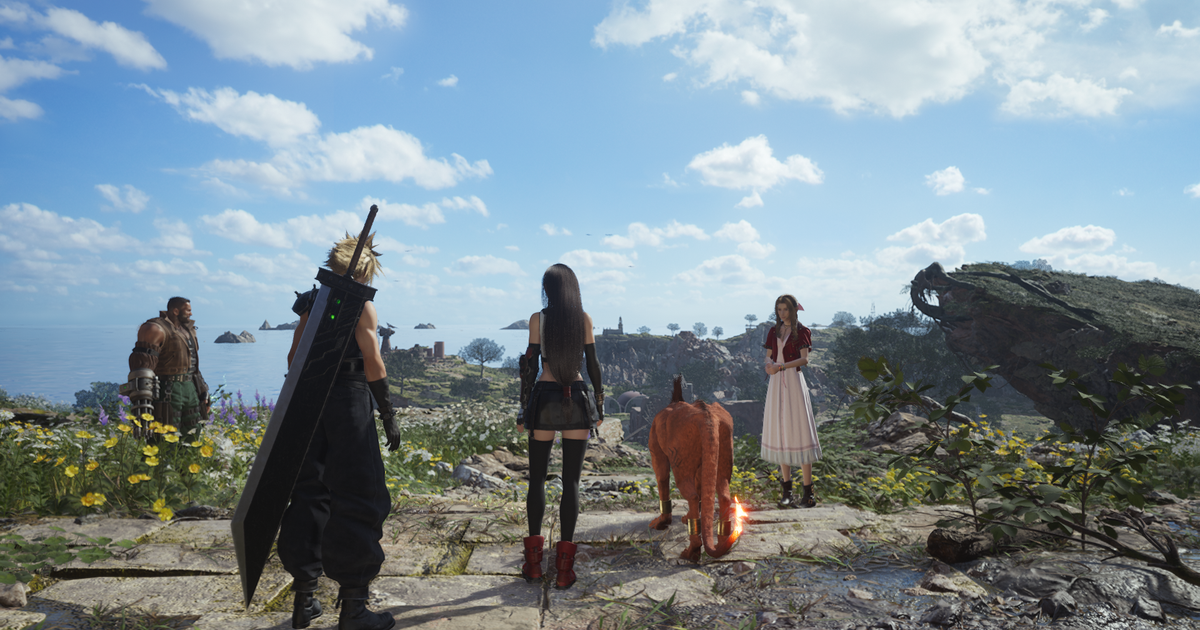
- Game: Final Fantasy
- Developer: Square Enix
- Key Spokesperson: Naoki Yoshida
- Primary Concern: Development cycle length and youth engagement
While titles like Minecraft from Mojang continue to dominate the Bedrock Edition market and massive hits like Elden Ring and its expansion Shadow of the Erdtree capture the global zeitgeist, the Final Fantasy franchise faces a unique challenge. Naoki Yoshida, a prominent producer at Square Enix, has expressed concerns regarding the future of the long-running RPG series. He suggests that the extended development times required for modern installments may be causing younger players to lose interest in the brand, as the gap between releases grows increasingly difficult to bridge.
Understanding Square Enix Developer Comments on Final Fantasy Development Cycles
The conversation surrounding why are Final Fantasy games taking longer to release has become a focal point for industry analysts and fans alike. In recent discussions, Naoki Yoshida highlighted that the sheer scale and technical requirements of contemporary high-budget productions necessitate years of labor. Unlike the early days of the franchise, which began in 1987 with the original Final Fantasy released on the NES, modern development requires hundreds of staff members and multiple years of iteration to meet current quality standards.
Yoshida’s perspective provides insight into why does Naoki Yoshida think kids are losing interest in Final Fantasy. He notes that for a younger generation, the wait between major entries feels disproportionately long. In an era where digital content is consumed rapidly, a development cycle spanning five or more years can result in a loss of brand relevance among players who have not grown up with the series' historical legacy.
Is Final Fantasy Losing Its Appeal to Younger Players in 2026?
The question of is Final Fantasy losing its appeal to younger players in 2026 remains a subject of intense debate at our Square Enix coverage hub. Yoshida acknowledges that the industry has shifted significantly. Younger demographics often gravitate toward games that provide constant updates or shorter, more frequent content drops. In contrast, the traditional Final Fantasy model relies on massive, standalone experiences that require a significant time investment from the player.
The challenge for Square Enix is balancing the high-fidelity, cinematic storytelling that the series is known for with the need for consistent engagement. As we have monitored in our industry trends reporting, the shift toward live-service models and shorter development windows has changed the expectations of the average gamer. For a series that has seen iterations across platforms ranging from the Game Boy Advance to the PlayStation 5, adapting to these new expectations without sacrificing the identity of the franchise is a complex task.
The Evolution of Development Timelines
To understand the current state of the series, one must look at the trajectory of game production. The following table outlines the contrast between the early era and the modern production environment:
| Era | Primary Development Focus | Release Frequency |
|---|---|---|
| 1987 (Original) | Core RPG mechanics and 8-bit art | High (Multiple titles per generation) |
| 2026 (Modern) | High-fidelity assets, voice acting, open worlds | Low (One major title per generation) |
Naoki Yoshida Thoughts on Long Final Fantasy Development Times
Naoki Yoshida thoughts on long Final Fantasy development times center on the reality of modern production. He has pointed out that the industry is no longer in a position where smaller teams can produce a full-scale Final Fantasy title in a short amount of time. The technical hurdles involved in creating assets for modern platforms mean that every aspect of the game—from character models to environmental textures—requires a massive amount of planning and execution time.
This reality creates a disconnect. While developers are working to push the boundaries of what is possible on hardware like the PlayStation 5, the target audience's attention span is being pulled in various directions by titles that offer immediate gratification. Yoshida’s comments serve as a candid reflection on the difficulties faced by legacy publishers attempting to maintain a foothold in a market that prioritizes speed and constant connectivity.
Frequently Asked Questions
Why does Naoki Yoshida think kids are losing interest in Final Fantasy?
Naoki Yoshida believes younger players are losing interest because the long development cycles for modern Final Fantasy titles result in games that feel disconnected from the rapid pacing of current gaming trends.
Is Final Fantasy losing its appeal to younger players in 2026?
According to Square Enix producer Naoki Yoshida, the extended time required to develop major entries in the series makes it difficult to maintain the attention of younger demographics who are accustomed to more frequent releases.
Why are Final Fantasy games taking longer to release?
Square Enix developer comments suggest that the increasing complexity of modern game production and the technical demands of contemporary hardware contribute significantly to longer development cycles.
GOG Announces Preservation Program Expansion: February 20th Update an...AAA Game Development
Square Enix Faces Brand Crisis: Final Fantasy and Dragon Quest Develo...Final Fantasy
In Game News Announces Audio Analysis: How Nobuo Uematsu Set the Gold...Dragon Quest VII Reimagined
Dragon Quest VII: Square Enix's Path Back to Its Roots?