
Apex Legends Wild Iron Event: Impact on Live-Service Evolution
Last Updated: October 10, 2025
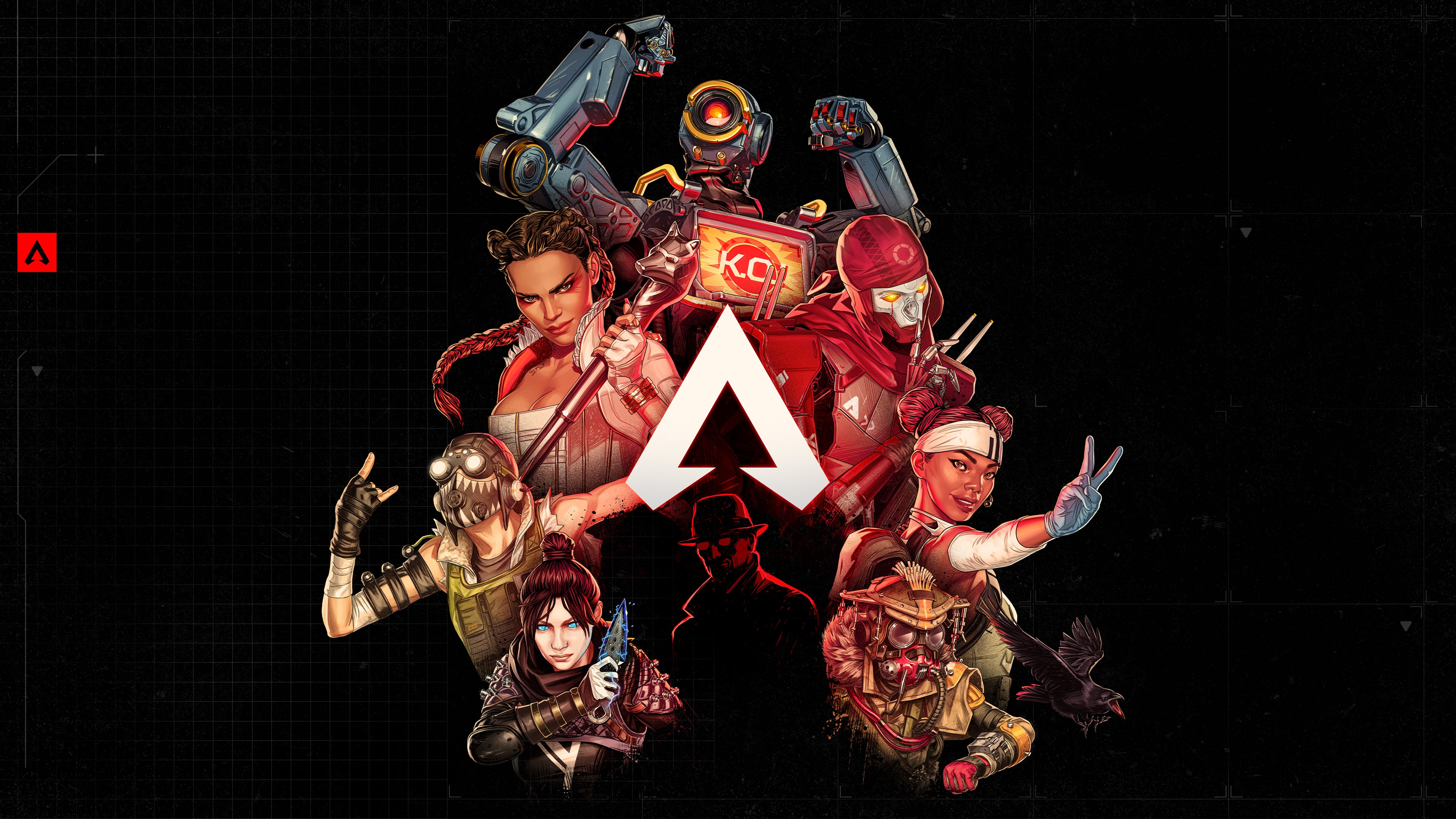
The Apex Legends Wild Iron Event, which ran from September 16-30, 2025, marked a significant moment in the ongoing evolution of free-to-play battle royale titles. This analysis delves into the event's core thematic conflict—cybernetic supremacy versus the raw power of nature—exploring its narrative implications and how such dichotomies enriched the game's lore. Beyond its captivating theme, the event introduced substantial gameplay modifications, including the availability of explosive gear within "Wildcard's loot," featuring a chance to find an EPG, and a coveted Fuse-inspired Mythic Flatline, alongside critical updates to Legends like Mad Maggie and Seer. These additions were not merely superficial content drops but represented strategic maneuvers within the live-service model, designed to reinvigorate player engagement, recalibrate the competitive meta, and reinforce the game's robust monetization ecosystem. We will explore the broader significance of these updates within the context of market trends in persistent online gaming and their impact on Apex Legends' enduring appeal and strategic depth across its diverse platform ecosystem.
Thematic Resonance: Cybernetics Versus Nature in the Apex Games
The Wild Iron Event in Apex Legends was framed around a compelling narrative dichotomy: the clash between "cybernetic supremacy" and "the raw power of nature." This thematic conflict was not merely cosmetic; it tapped into a rich vein of science fiction and philosophical discourse, offering a deeper layer of engagement for players beyond the immediate thrill of combat. In the narrative fabric of the Apex Games, this rivalry could be interpreted as a reflection of the broader human condition within the Frontier – a struggle to harness or coexist with technological advancement and the untamed wilderness. Such themes often resonate deeply, providing a conceptual backdrop against which character abilities, weapon designs, and environmental storytelling can be intricately woven. The emphasis on this "ancient rivalry" brought a foundational element of the game's lore to the forefront, allowing players to choose a side, implicitly or explicitly, through their engagement with event-specific cosmetics and gameplay elements. This thematic richness is a hallmark of successful live-service games, providing narrative justification for new content and fostering a stronger connection between players and the game world.
Gameplay Innovation: Wildcard Loot and the Mythic Flatline
Central to the Wild Iron Event's gameplay offerings was the introduction of "Wildcard's loot," which provided players with a chance to find explosive gear, including the powerful EPG. This concept introduced a new tactical dimension focused on high-impact, area-denial, or offensive capabilities through specific weapon drops. In a fast-paced battle royale like Apex Legends, the introduction of new loot mechanics can significantly alter the strategic landscape, compelling players to adapt their playstyles and team compositions. These loot additions introduced novel methods for engaging enemies, controlling territory, or creating dynamic plays, thereby revitalizing the moment-to-moment combat experience. Historically, such additions have been instrumental in keeping the meta fresh and unpredictable, preventing stagnation that can often plague competitive titles. The "Fuse-inspired Mythic Flatline" was another critical component. Mythic-tier items represent the pinnacle of cosmetic rarity and desirability within the game's progression and monetization systems. Being "Fuse-inspired" not only linked the weapon skin to a popular character known for his explosive personality and abilities but also deepened the lore connection, making the acquisition of this item a significant achievement for dedicated players. Such high-tier cosmetics serve as powerful incentives within the free-to-play model, driving engagement and providing a tangible sense of accomplishment.
Balancing the Scales: Mad Maggie and Seer Updates
The Wild Iron Event also delivered crucial updates to Legends, with "Mad Maggie and Seer updates blowing up the scene," signaling a commitment to game balance and meta refinement. In a competitive battle royale, character abilities and their interactions are paramount. Over time, certain Legends may become dominant, leading to a stale or predictable meta. Developers must consistently monitor player data and community feedback to identify characters that are underperforming or overperforming. Mad Maggie, known for her aggressive, area-denial capabilities, and Seer, a recon Legend with powerful tracking abilities, have both seen varied positions within the game's meta since their introductions. Specifically, Seer received a significant buff where his tactical ability gained a 4-second speed boost and its cooldown was reduced to 5 seconds when used within his ultimate ability. These adjustments were designed to shift their viability and strategic roles. Such updates are vital for maintaining competitive integrity, encouraging player diversity in Legend selection, and ensuring a dynamic and evolving gameplay experience. They demonstrate a developer's ongoing dedication to the health and longevity of their title, directly influencing player retention and competitive scene vibrancy.
The Broader Significance: Live-Service Model and Market Trends
The Wild Iron Event, much like previous seasonal updates and limited-time events in Apex Legends, exemplified the core tenets of the live-service gaming model. This model, which has become a dominant force in the industry, relies on continuous content delivery to maintain player engagement and foster long-term monetization. Apex Legends, as a free-to-play battle royale, thrives on this cyclical release of new themes, gameplay mechanics, cosmetic items, and balance adjustments. The game's availability across a wide array of platforms—PlayStation 4, PlayStation 5, Xbox One, Xbox Series X|S, Nintendo Switch, and PC via EA App, Epic Games Store, and Steam—underscores its expansive reach and commitment to accessibility. This broad platform support is crucial for maximizing its player base and ensuring consistent revenue streams through optional in-game purchases of virtual currency. The opportunity to acquire "new Legendary Skins" alongside the Mythic Flatline further solidified the economic model, offering desirable cosmetic items that allow players to personalize their experience and express their individuality within the game world. This strategy aligns with broader market trends where cosmetic customization has become a primary driver of revenue in free-to-play titles, providing value without impacting core gameplay fairness.
Economic and Player Engagement Dynamics
The economic framework of Apex Legends, built on its free-to-play foundation, is intricately linked to events like Wild Iron. While the game itself is accessible without an upfront cost, its sustainability and profitability depend on optional in-game purchases. The introduction of the "Fuse-inspired Mythic Flatline" and "new Legendary Skins" served as a direct monetization strategy. These items, representing high-tier cosmetic enhancements, were designed to appeal to players seeking to distinguish themselves or express their affinity for the game's lore and characters. The inclusion of "a random selection of virtual in-game items" within the purchase structure also points to the popular, albeit sometimes debated, loot box or gacha mechanics prevalent in modern gaming. This system, while generating significant revenue, also plays a psychological role in player engagement, offering the thrill of chance and the satisfaction of rare acquisitions. The careful balance between providing compelling free content (like new loot mechanics and character updates) and enticing premium cosmetics is critical for maintaining a healthy player ecosystem and ensuring the long-term financial viability of the title. Events like Wild Iron are thus not merely content drops but complex economic and psychological operations designed to maximize player value and developer return.
Conclusion: Sustaining the Frontier's Legacy
The Apex Legends Wild Iron Event represented more than just a seasonal update; it was a meticulously crafted installment in the ongoing narrative and operational strategy of one of the leading titles in the battle royale genre. By weaving a compelling thematic rivalry between cybernetics and nature, introducing impactful gameplay additions like Wildcard's explosive loot and the Mythic Flatline, and diligently refining character balance through updates to Legends such as Mad Maggie and Seer, the event successfully invigorated its player base. These initiatives were crucial for maintaining the game's competitive edge, fostering a dynamic meta, and reinforcing its robust free-to-play monetization model across its vast multi-platform ecosystem. The Wild Iron Event serves as a testament to the continuous evolution required of live-service games, demonstrating how thematic depth, gameplay innovation, and strategic economic models coalesce to sustain a title's relevance and appeal. It encourages thoughtful discussion on the delicate balance between content delivery, community engagement, and commercial success in the ever-evolving landscape of online gaming.