
Atelier Resleriana: How Player Feedback Shaped Its Global Journey
Last Updated: October 26, 2025
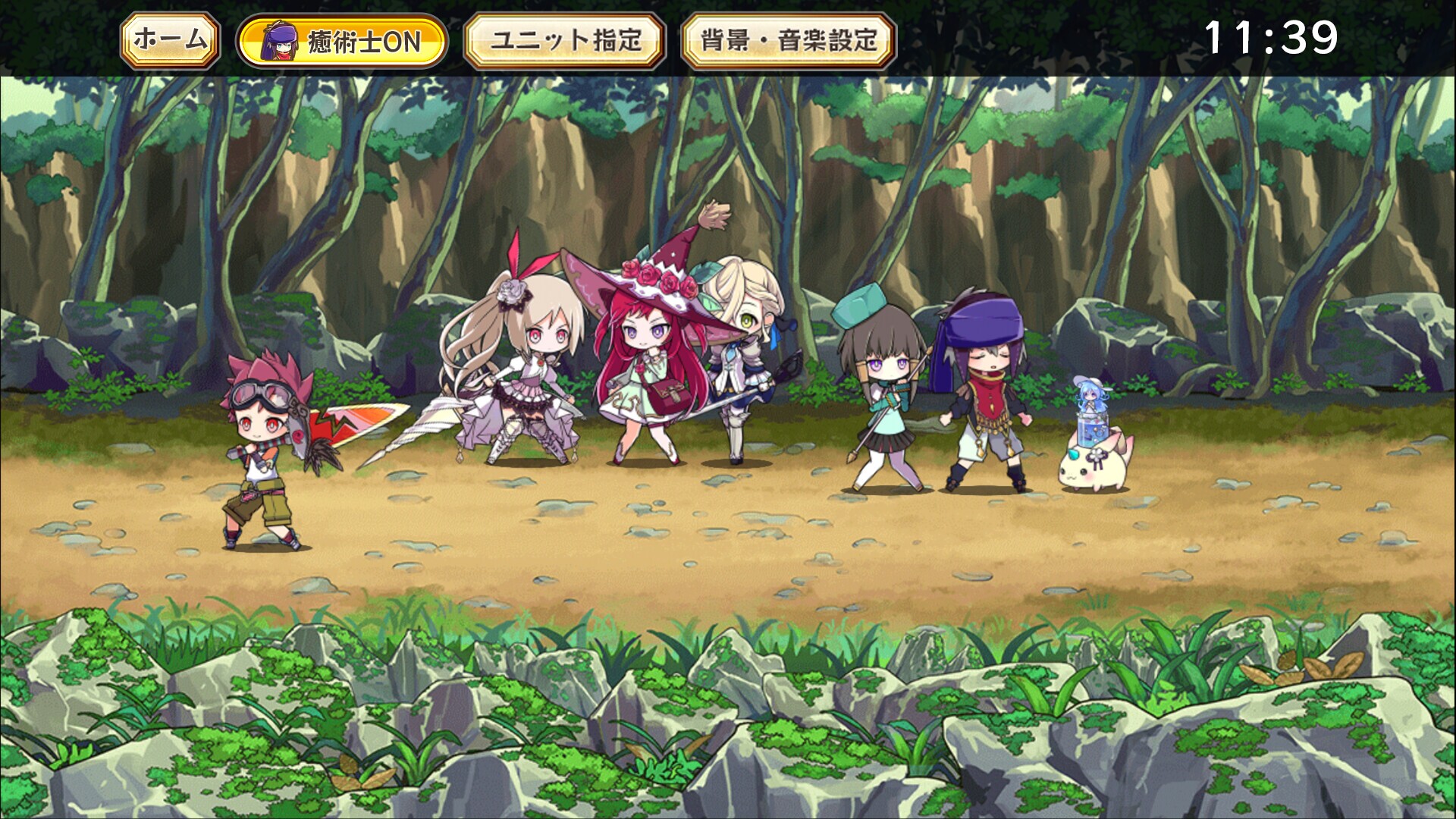
In the competitive world of live-service gaming, the line between a thriving community and a premature sunset can be razor-thin. A fascinating case study in this dynamic is Atelier Resleriana: Forgotten Alchemy & the Polar Night Liberator, a high-quality gacha JRPG from developers Gust and Koei Tecmo. Early in its lifecycle, the development team demonstrated a strong commitment to its players by launching detailed surveys to gather crucial feedback.
This initiative, aimed at shaping the game's future, now serves as a poignant chapter in the story of a game that saw a starkly different fate between its Japanese and global versions.
Originally launched in Japan under a different subtitle, the game arrived for global audiences on PC and mobile devices in January 2024. It captivated many with its stunning visuals, full voice acting, and an ambitious attempt to translate the beloved Atelier series' core loop of alchemy, exploration, and character-driven narrative into a free-to-play format. Recognizing the importance of community sentiment in a live-service model, the developers actively sought player input through official product surveys. These weren't just for bug reports; they were a direct line for the dedicated player base to share their thoughts on everything from gameplay mechanics and story pacing to monetization and overall enjoyment, directly influencing the game's ongoing development and updates.
The Power of Player Feedback
The critical role of player feedback is amplified tenfold in the live-service arena. Unlike a single-purchase title, a gacha game's success hinges on sustained player engagement and investment over months or years. The Atelier Resleriana surveys exemplified a modern, responsive development philosophy. Such tools are a vital bridge between the creators' vision and the players' reality, allowing teams to identify strengths, pinpoint friction points, and gauge satisfaction with new content and systems. For a long-running series like Atelier, with a passionate fanbase holding specific expectations, this dialogue was essential. The feedback gathered was intended to inform everything from quality-of-life adjustments to the design of future events and characters, all in an effort to build a stronger, more resonant experience.
A Bold Step for Atelier
Atelier Resleriana marked a significant and bold new chapter for the venerable franchise. It introduced two new protagonists, the aspiring alchemist Resna and the seasoned fighter Valeria, on a quest to restore the lost art of alchemy to their kingdom. The game masterfully retained the whimsical charm and deep crafting systems that fans love, presenting it with a level of polish rarely seen in mobile JRPGs. It aimed to build upon a rich legacy while welcoming a new audience through its accessible free-to-play model.
Global Challenges and Lessons Learned
However, despite these strengths and the developers' commitment to listening to their community, the global version of Atelier Resleriana struggled to find a sustainable foothold. After a little over a year of operation, Koei Tecmo announced the end of service for the global servers, which officially shut down on March 28, 2025. In stark contrast, the Japanese version of the game continues to operate successfully, highlighting the different market dynamics and player expectations between regions.
The story of Atelier Resleriana's global version is a valuable lesson. The early player surveys stand as proof of the team's genuine desire to collaborate with their community to refine and improve the game. Yet, its ultimate fate underscores the immense challenges of the global gacha market. For fans, the game remains a bittersweet memory—a beautifully crafted Atelier experience that shone brightly but all too briefly. Its journey, from a hopeful launch and community-focused surveys to its eventual closure, serves as a powerful reminder that in the world of live games, even passion and quality are no guarantee of longevity.