
Battlefield 2042: Realism vs. Call of Duty Cosmetics
Last Updated: October 23, 2025
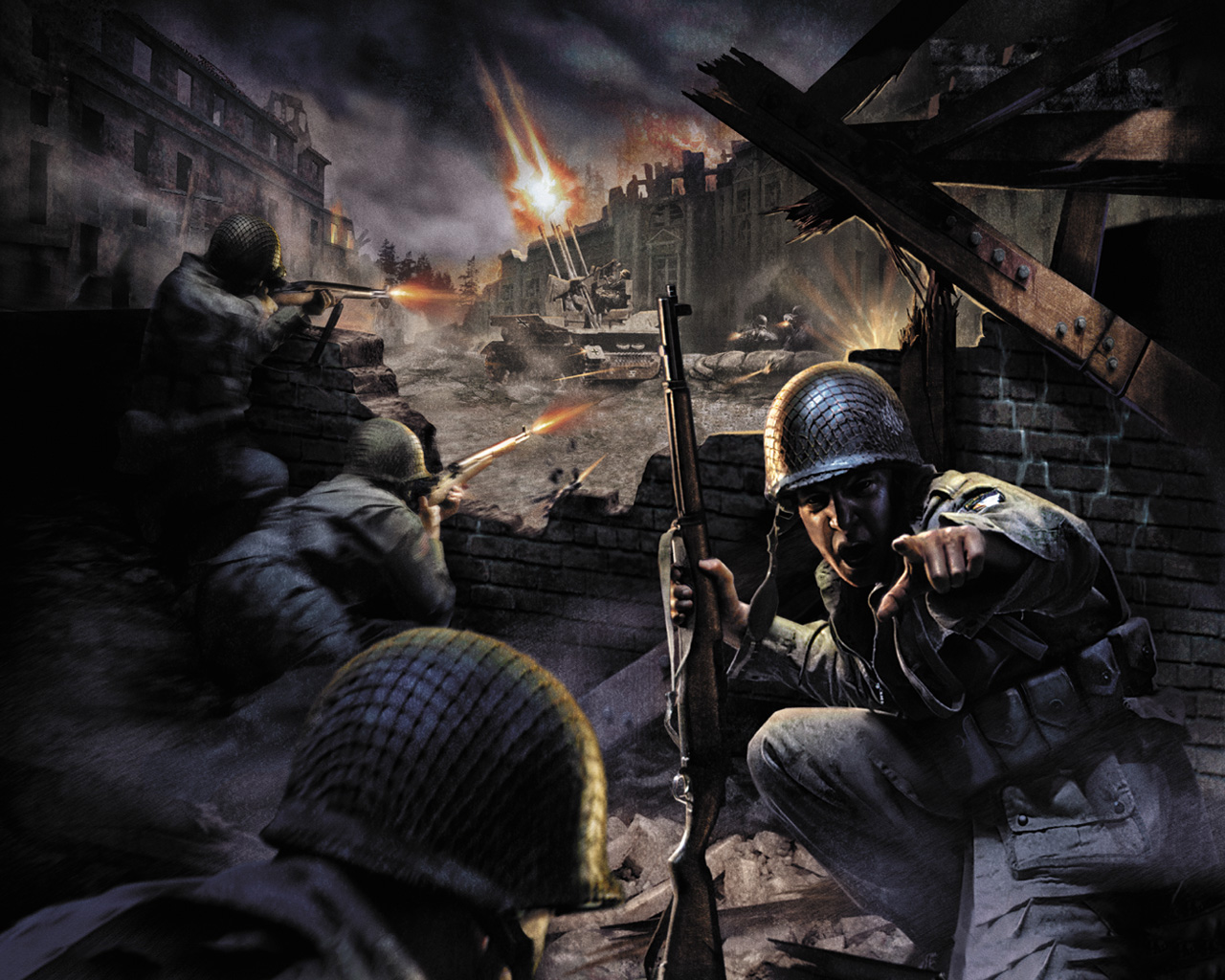
In the run-up to the launch of what was then codenamed "Battlefield 6," the development team at DICE made a clear and deliberate promise: their next-generation shooter would be a return to gritty, grounded realism, a direct counterpoint to the increasingly flamboyant cosmetic landscape dominated by its chief rival, Call of Duty. Statements from the studio emphasized a design philosophy rooted in tactical immersion. However, the game that launched as Battlefield 2042 presented a far more complicated reality, sparking a franchise-wide identity crisis and a multi-year effort to reconcile its promises with its execution.
Before its 2021 release, the messaging from DICE was unambiguous. Developers spoke of maintaining a "gritty" and "grounded" aesthetic. This was a strategic choice designed to differentiate the franchise from competitors like Call of Duty and Fortnite, which were leaning heavily into vibrant, often outlandish, character skins and weapon charms as a core part of their player expression and monetization. The vision for the next Battlefield was one where immersion and military realism were paramount, where cosmetics would enhance, not detract from, the believability of its war-torn world.
The Promise of Realism
This commitment was meant to be a foundational pillar. The development team believed that the core Battlefield experience—large-scale tactical warfare with a focus on environmental destruction and team play—was best served by an aesthetic that respected its own fiction. The thinking was that overly stylized or "goofy" cosmetics could shatter the sense of immersion that was a hallmark of the series.
The Battlefield 2042 Identity Crisis
However, the launch of Battlefield 2042 revealed a fundamental disconnect between this philosophy and the game's core design. The most significant and controversial change was the replacement of the traditional anonymous soldier classes with a roster of named "Specialists." These characters, complete with unique gadgets and personalities, were immediately seen by the community as a move toward the hero-shooter model popularized by Apex Legends and Call of Duty's Operator system. This structural shift was compounded by jarring end-of-round voice lines and a cosmetic system that, while tamer than Call of Duty's, quickly produced immersion-breaking results.
The infamous "Father Winter" skin for the Specialist Boris became a lightning rod for community backlash, symbolizing the game's tonal dissonance. Players who had been sold on a gritty, near-future conflict were now seeing Santa Claus fighting on the battlefield. This clash highlighted the core tension: a game marketed on realism was built on a foundation that seemed designed to sell character-based cosmetics, directly emulating the very trend it promised to oppose.
Call of Duty's Cosmetic Victory
The contrast with Call of Duty has only sharpened over time. While Battlefield 2042 stumbled with its identity, the Call of Duty franchise fully embraced its role as a pop-culture sandbox. In the years following BF2042's release, Call of Duty has featured collaborations with Nicki Minaj, Snoop Dogg, Homelander from The Boys, and Skeletor. This unabashed embrace of the absurd has proven immensely successful, solidifying a design philosophy where player expression, no matter how outlandish, trumps military realism.
Course Correction and the Future of Battlefield
Faced with intense player feedback, DICE spent years course-correcting Battlefield 2042. The most jarring voice lines were toned down, and a massive overhaul eventually reintroduced a classic Class system, restructuring Specialists to fit within traditional Assault, Engineer, Support, and Recon roles. This extensive post-launch support was a tacit acknowledgment that the initial design had strayed too far from the franchise's roots. The game today is a vastly improved experience, one that feels much closer to the original vision, but the journey to get there was a difficult lesson in brand identity.
Looking ahead, EA has signaled a major franchise realignment. Multiple studios, including DICE, Ripple Effect, and Ridgeline Games (founded by Halo co-creator Marcus Lehto, who has since departed), are now collaborating on a "connected Battlefield universe." To spearhead this new era, EA appointed Byron Beede, a former Call of Duty executive, to oversee the franchise's long-term strategy. This move suggests that while Battlefield may never fully adopt Call of Duty's cosmetic free-for-all, the lessons learned from the market leader—in terms of live service structure, content cadence, and player engagement—are being closely studied.
Conclusion
The story of Battlefield 2042's aesthetic is a cautionary tale. The initial promise to double down on gritty realism was a compelling vision that resonated with a core audience fatigued by the genre's cosmetic arms race. However, the game's launch product demonstrated a conflicted design that tried to serve both realism and hero-based monetization, ultimately satisfying neither. The franchise's ongoing evolution is a testament to the struggle of defining a distinct identity in a market where the lines between tactical shooter and pop-culture playground continue to blur.