
Battlefield 2042 Map Design: From Chaos to Tactical Refinement
Last Updated: October 21, 2025
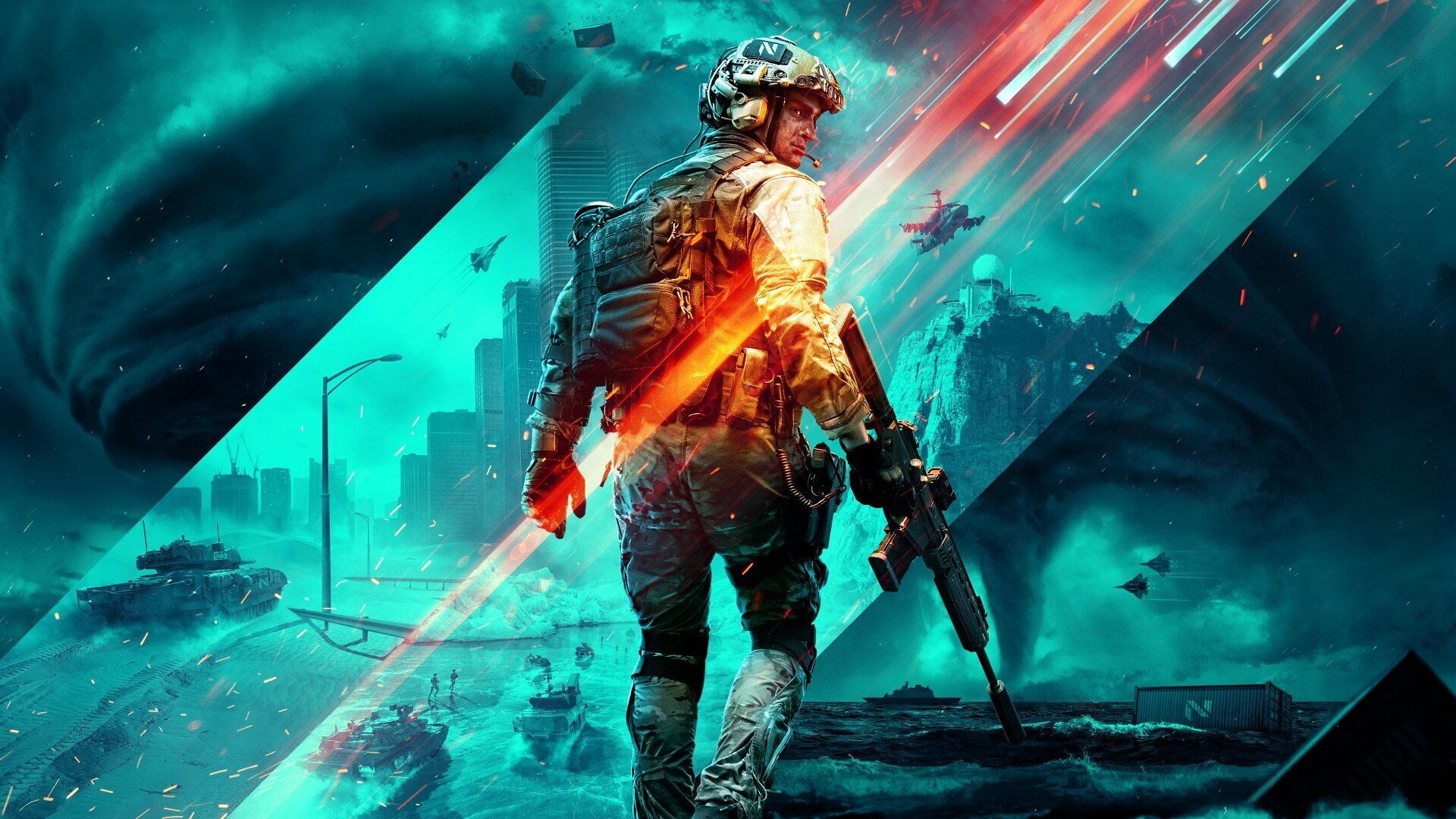
Battlefield 2042, the ambitious installment in the iconic first-person shooter franchise, launched in late 2021 and immediately sparked considerable debate among fans and critics. At the heart of the controversy was the game's map design. Driven by the leap to 128-player matches on PC and next-gen consoles, developer DICE crafted the largest and most expansive battlegrounds in the series' history. The initial vision was a masterclass in open-world combat, but the reality proved to be a far more complex and challenging journey, one that forced a fundamental rethink of the game's core philosophy.
The Evolution of Battlefield Maps
The Battlefield series has a long and storied history of innovative map design. Early iterations balanced vehicle and infantry combat, but the series truly hit its stride with larger, more open maps featuring dynamic destruction. The introduction of "Levolution" in Battlefield 4 represented a significant leap forward, allowing for dramatic, scripted environmental changes like collapsing skyscrapers or flooding entire towns. These events added a layer of cinematic unpredictability.
With Battlefield 2042, DICE didn't remove this concept but evolved it into something far grander and more chaotic. Instead of smaller, scripted Levolution events, the game introduced massive, dynamic weather phenomena. Players could find their firefights interrupted by a colossal tornado tearing across the map, sucking up players and vehicles, or a blinding sandstorm that drastically reduced visibility. These elements, combined with the sheer scale of the maps, were intended to create an unparalleled sandbox of emergent, unpredictable warfare.
An Ambitious Gamble: The Launch Maps
At launch, the scale of Battlefield 2042’s maps was breathtaking. From the sprawling Antarctic icescape of Breakaway to the vast deserts of Hourglass, these arenas were designed to facilitate massive, multi-fronted battles. The design philosophy prioritized creating a true sense of all-out warfare, where air, land, and sea vehicles had ample room to maneuver alongside legions of infantry.
However, this ambition came at a significant cost to the core gameplay loop. The vast distances between objectives often resulted in players spending more time running across empty terrain than engaging in combat, earning the maps the dreaded "walking simulator" label. The lack of sufficient cover in these wide-open spaces made infantry gameplay a frustrating experience, with players frequently getting picked off from hundreds of meters away with no chance to react. The tactical complexity envisioned by the developers was often lost in the chaotic and unfocused nature of the battles. The intended strategic depth was replaced by a sense of randomness and a feeling of being a small, insignificant cog in an overwhelming machine.
The Post-Launch Reckoning: Reworks and Refinement
To their credit, DICE listened to the overwhelming player feedback. In the months and seasons following the game's rocky launch, the studio embarked on a massive map rework initiative. This wasn't just about minor tweaks; it was a complete re-evaluation of their design philosophy.
One by one, the launch maps were taken back to the drawing board. Kaleidoscope, once a sterile landscape of flat plains and empty plazas, was enriched with new military fortifications, trenches, and assets to provide much-needed cover. Breakaway’s massive play area was re-focused, bringing key objectives closer together to intensify the action. Orbital and Renewal received similar overhauls, with DICE meticulously adding new pathways, raising terrain, and placing assets to break sightlines and improve the flow of infantry combat. These reworks transformed the launch maps from frustratingly barren expanses into the tactically rich environments they were always meant to be.
A Return to Form: New Maps and Player Lessons
The evolution of DICE's map design was most evident in the new battlegrounds introduced in post-launch seasons. Maps like Stranded, Spearhead, and Flashpoint demonstrated a clear understanding of the initial criticisms. They were generally smaller, more focused, and expertly balanced the need for vehicle combat with tight, infantry-focused choke points and objective areas.
The Season 6 map, Redacted, was a significant milestone. As a pure infantry-only experience set in a claustrophobic underground laboratory, it was a direct response to player demand for classic, close-quarters combat reminiscent of franchise classics like Operation Locker and Metro. The positive reception to these new, more thoughtfully designed maps proved that the lessons from the game's launch had been learned.
Conclusion: A Legacy of Adaptation
Battlefield 2042's journey is a fascinating case study in modern game development. The initial decision to embrace massive, open-world maps with dynamic weather was a bold evolution for the franchise. While the launch execution fell short of its strategic promise, the subsequent commitment to reworking and refining that content based on community feedback ultimately saved the experience. The game's map design, once its greatest weakness, has become a testament to the power of adaptation. This evolution, from chaos to refinement, will undoubtedly shape the future of the Battlefield series and serves as a powerful lesson for the entire industry.