
Borderlands 4 PC Performance: Launch Issues & Optimization Debate
Last Updated: October 21, 2025
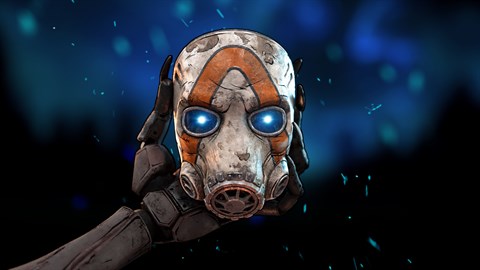
The launch of Borderlands 4 on September 12, 2025, was met with massive fanfare, dropping millions of Vault Hunters onto the chaotic new planet of Kairos. While the game's signature art style, explosive gunplay, and irreverent humor have been widely praised, the PC version's launch has been significantly hampered by widespread reports of technical problems, sparking a heated debate about the state of PC optimization in modern AAA gaming.
The controversy was ignited shortly after launch when, in response to a wave of player feedback regarding stuttering, inconsistent frame rates, and overall poor optimization, Gearbox Software CEO Randy Pitchford stated that the team felt the game's performance was "pretty darn optimal" given its graphical fidelity. This comment has become a flashpoint for a community grappling with performance that feels anything but optimal, especially on high-end hardware.
This analysis delves into the technical realities of Borderlands 4's PC performance, examines the community's findings, and provides a balanced perspective on the complex challenges of modern game development.
Diagnosing the Performance Problems
Initial player reports and deep-dive analyses from technical outlets have pinpointed several recurring issues. The most prominent complaint is severe shader compilation stutter. This manifests as a significant hitch or freeze the first time a new visual effect, weapon, or enemy appears on screen. While many modern titles pre-compile shaders on the first launch to avoid this, it appears Borderlands 4 compiles them on the fly, leading to a jarring and disruptive gameplay experience.
Beyond shader issues, players report significant traversal stuttering when moving quickly through large open zones, even on high-end NVMe SSDs. This suggests a potential asset streaming bottleneck within the game's engine, a heavily modified version of Unreal Engine 5. Furthermore, certain graphics settings, particularly volumetric fog and high-quality shadows, have been identified as causing disproportionate performance drops, even on the latest generation of GPUs. Many players with top-tier rigs have expressed frustration that they cannot maintain a stable 60 FPS at 4K resolution without making significant visual compromises.
The Great Divide: Developer Benchmarks vs. Player Reality
Randy Pitchford's "pretty darn optimal" statement, while seen by many as dismissive, highlights a common disconnect between controlled internal testing and the diverse, unpredictable landscape of consumer PC hardware. Internally, Gearbox likely tested on a specific range of hardware with clean OS installs and optimized driver sets, achieving a target performance level they deemed acceptable for launch.
However, the real world includes countless combinations of CPUs, GPUs, RAM speeds, background processes, and driver versions. This "hardware matrix" often exposes optimization gaps that don't appear in a sterile testing environment. Player expectations have also risen; for a premium AAA price, the expectation is a smooth experience out of the box, not one that requires hours of forum-crawling for .ini file tweaks and community-made fixes.
Gearbox Responds: Patches and Communication
In the weeks following the launch and the initial backlash, Gearbox has begun to address the performance concerns more directly. Acknowledging the issues in a formal blog post, the studio has released two significant hotfixes aimed at mitigating the worst of the stuttering and improving overall frame stability. The latest patch notes specifically mention improvements to the shader compilation process and asset streaming.
While these patches have been a welcome step, and many players report a noticeable improvement, the game is not yet in the state many had hoped for at launch. The dialogue has shifted from developer defense to a collaborative effort, with Gearbox actively requesting performance logs and feedback from the community to hunt down remaining bugs.
Conclusion: A Rocky Launch on the Road to Redemption
The conversation around Borderlands 4's PC launch serves as a potent case study for the entire industry. It underscores the immense technical challenge of balancing cutting-edge visuals with performance across an infinite spectrum of PC hardware. While the core game is a stellar entry in the beloved looter-shooter franchise, its technical stumbles have soured the experience for a significant portion of its PC audience.
The situation remains complex, involving the technical intricacies of game development, the reality of hardware limitations, and the ever-present gap between player expectations and launch-day reality. With Gearbox now actively patching the game and engaging with its community, there is a clear path forward. For now, Borderlands 4 on PC is a fantastic game trapped behind a wall of technical issues, a wall that, patch by patch, is slowly being dismantled.