
Resident Evil on Nintendo's Next Console: Native Horror & RE Engine
Last Updated: October 22, 2025
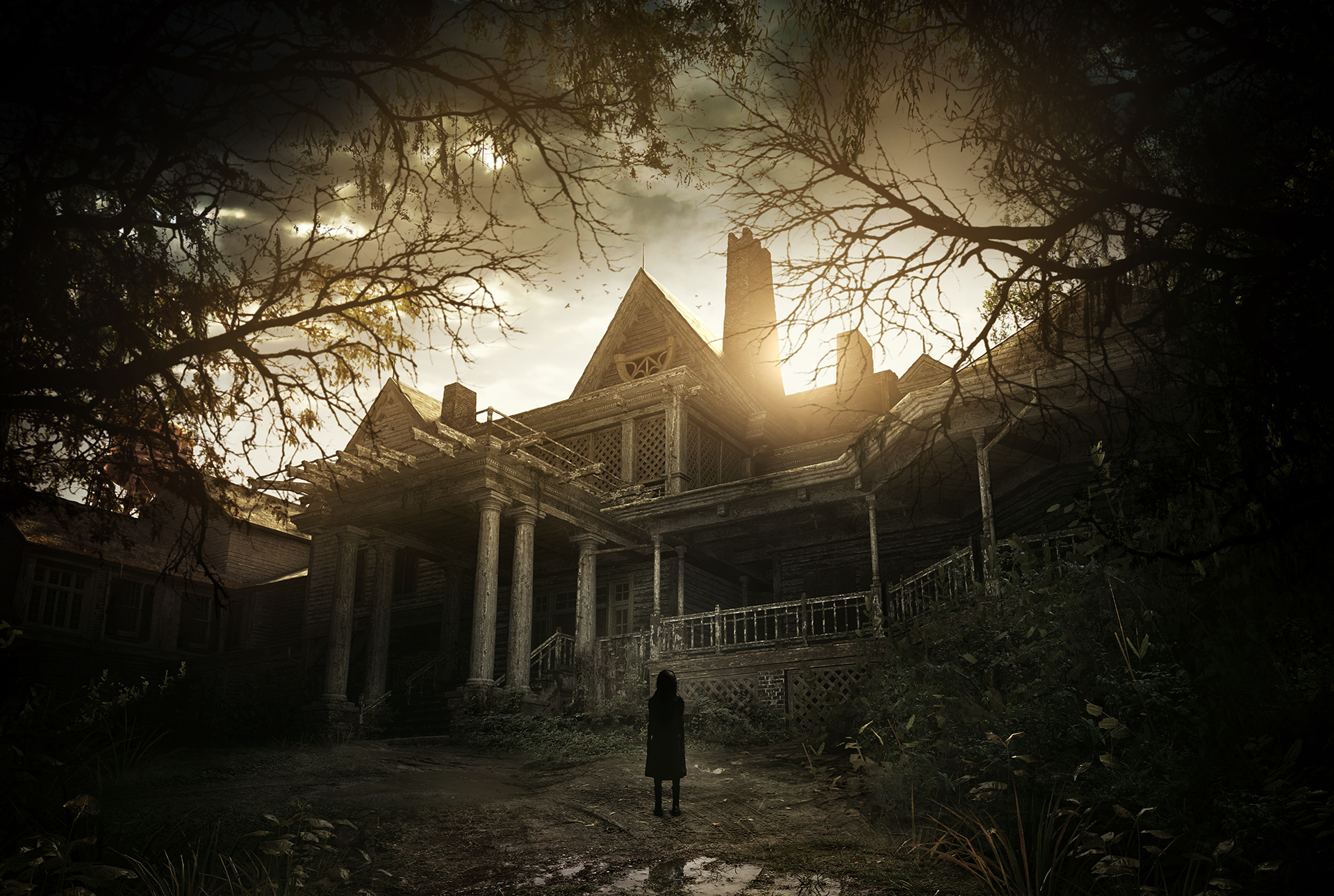
The relationship between Capcom's legendary Resident Evil series and Nintendo hardware is a storied one, marked by groundbreaking exclusives like Resident Evil 4 on the GameCube and technical compromises like the current cloud-only versions of modern titles on the Nintendo Switch. As the industry looks toward Nintendo's next-generation hardware, the question is no longer if we'll see the franchise's modern classics on a Nintendo console, but how. The era of relying on streaming technology may be coming to an end, paving the way for a powerful, native horror experience that fans have been demanding.
The Current State: A Compromise via the Cloud
For owners of the current Nintendo Switch, diving into the series' recent entries has been a mixed bag. To bring graphically intensive titles like Resident Evil 7: Biohazard, Resident Evil Village, and the remakes of RE2 and RE3 to the platform, Capcom utilized cloud streaming. While this solution makes the games playable, it comes with significant caveats: a constant, stable internet connection is required, and visual fidelity and input latency can be inconsistent.
This approach has left many players feeling that the Switch is not the definitive platform for the modern Resident Evil experience. However, this situation has also set the stage for what could be a monumental leap forward with Nintendo's successor console, widely rumored as the "Switch 2."
The Next-Gen Promise: Native Performance is the Goal
The prospect of a new Nintendo console with significantly upgraded processing power changes the entire equation. The conversation is shifting from "Can it run?" to "How well will it run?" The key benchmark for what's possible isn't even a rival console; it's Apple's recent iPhones, which can run demanding titles like Resident Evil Village and the Resident Evil 4 remake natively. If a smartphone can deliver a high-fidelity, local gameplay experience, there is a strong expectation that Nintendo's dedicated next-gen gaming hardware will be able to do the same, and likely even better.
For Nintendo, securing native, high-performance versions of major third-party franchises like Resident Evil would be a massive strategic win. A launch window featuring definitive editions of Resident Evil 7 and Village—alongside a potential day-one release for the next mainline installment, the unofficially titled Resident Evil 9—would immediately signal the new console's power and its appeal to a core, mature gaming audience. This would instantly address one of the key criticisms of the original Switch's third-party support for graphically intensive games.
A New Chapter in the Capcom-Nintendo Partnership
Capcom has a history of tailoring unique experiences for Nintendo hardware, from the episodic Resident Evil Revelations on the 3DS to the impressive scalability of the RE Engine powering Monster Hunter Rise on the Switch. A next-generation Nintendo console capable of running these games without the cloud would represent the culmination of this partnership.
Imagine a scenario where the next mainline Resident Evil game launches simultaneously and without compromise across PlayStation 5, Xbox Series X/S, PC, and Nintendo's new machine. This would be a powerful statement, positioning the console as a true competitor capable of handling cutting-edge, triple-A titles from day one. It would eliminate the asterisks and "buts" that often accompany third-party releases on Nintendo platforms.
For players, the benefit is clear: the ability to play the definitive versions of modern horror masterpieces both at home on a TV and on the go. The intimate, terrifying atmosphere of Resident Evil 7's Baker estate and the sprawling, gothic horror of Village could be experienced anywhere, with the crisp visuals and responsive controls that only native hardware can provide.
Looking Ahead: The Future of Portable Horror
While the exact specifications and release date for Nintendo's next console remain the subject of speculation, the path forward for Resident Evil seems clear. The era of cloud-based compromises feels like a temporary solution for the current generation's limitations. With advancements in mobile processing and the proven scalability of Capcom's RE Engine, native ports are no longer a dream but a realistic expectation.
The potential for Nintendo's successor to launch with a robust library of modern Resident Evil titles would not just be a boon for horror fans; it would be a foundational pillar for the console's success, proving its versatility and power. The question is now in Capcom and Nintendo's court to turn this immense potential into a terrifying reality.