
Cyberpunk 2077's Transportation: From Chaos to Realized Night City
Last Updated: October 23, 2025
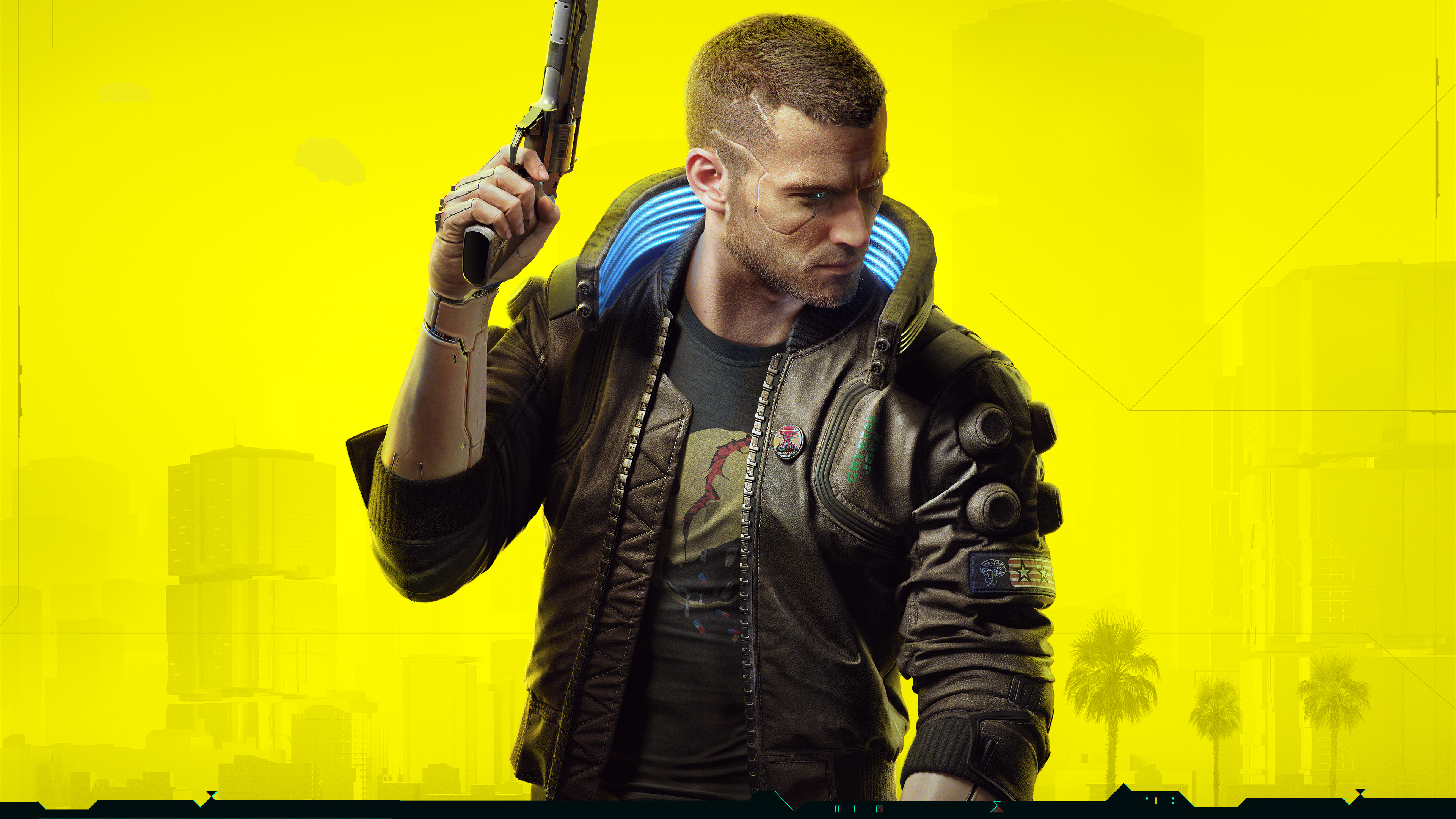
Buckle up, choombas. Getting around Night City has been one of Cyberpunk 2077's most transformative journeys. What began with chaotic vehicle summons and a desperate need for fast travel has evolved into a fully-featured transportation network, thanks to years of dedicated work from CD Projekt Red.
While early patches gave us a hilarious glimpse of an AI with a "Fast & Furious" attitude and a blatant disregard for traffic laws, the final major updates delivered a system that is both immersive and functional, forever changing how we experience the neon-drenched metropolis.
Early Days: Autopilot Antics and Metro Dreams
When V first hit the streets, driving was a hands-on, and often chaotic, affair. Calling your car might see it plow through a food stall, and the only "autopilot" was the fast travel terminal. Players dreamed of a system that would let them soak in the cityscape, leading to one of the most requested features: a functional metro system. Early versions of an "autodrive" via the Delamain taxi service were a wild ride, sometimes feeling less like a chauffeured trip and more like a getaway drive. The AI seemed to interpret red lights as mere suggestions, creating unpredictable and often hilarious journeys that felt perfectly in line with Night City's inherent chaos.
Update 2.0: Laying the Groundwork
This all changed with the game's massive revival. The free Update 2.0, released alongside the Phantom Liberty expansion, completely overhauled the core experience, laying the groundwork for a better transportation system. It introduced intense vehicle combat, dynamic police chases, and smarter enemy AI, making driving a much more engaging and dangerous part of gameplay. This wasn't just about getting from point A to B anymore; it was about surviving the trip.
Update 2.1: The Metro Arrives
The grand finale of this evolution arrived with Update 2.1 in December 2023, the last major content patch for the game. This was the update that truly delivered on the promise of a living, breathing city. The star of the show was the fully operational NCART (Night City Area Rapid Transit) metro system. Players could finally walk to a station, board a train, and either enjoy the ride from a first-person view or fast travel to their destination. This feature alone provided a stunning new perspective on the verticality and beauty of Night City's architecture.
Quality of Life Improvements
But Update 2.1 didn't stop there. It was a love letter to the game's community, packed with quality-of-life improvements. The Radioport feature allowed V to listen to the game's iconic radio stations while on foot or riding the metro, ensuring the perfect soundtrack for a stroll through Japantown. Repeatable car races became available, and new vehicles, including the Porsche 911 Turbo Cabriolet, were added to V's arsenal.
The Evolution of Autodrive
The "reckless" autodrive of old was refined into the Delamain taxi service—a purchasable, automated travel option for when you want a guaranteed, albeit still stylish, ride across town. While the AI no longer runs every red light with gleeful abandon, the spirit of vehicular chaos lives on. Summoning your personal vehicle can still result in some spectacular law-breaking as it navigates the dense traffic to find you.
A Testament to Commitment
This transformation from a simple driving model to a comprehensive transportation system is a testament to CD Projekt Red's commitment. As the studio now focuses on the Cyberpunk sequel, codenamed "Project Orion," and the next Witcher saga, they've left Cyberpunk 2077 in its ultimate state. The days of a buggy autopilot are a fond, chaotic memory, replaced by a suite of options that lets you experience Night City exactly how you want to—whether that's behind the wheel in a high-speed chase or sitting back on the metro, watching the world go by.