
Diablo 4's Starcraft Crossover: $185 Cosmetics Ignite Firestorm
Last Updated: October 27, 2025
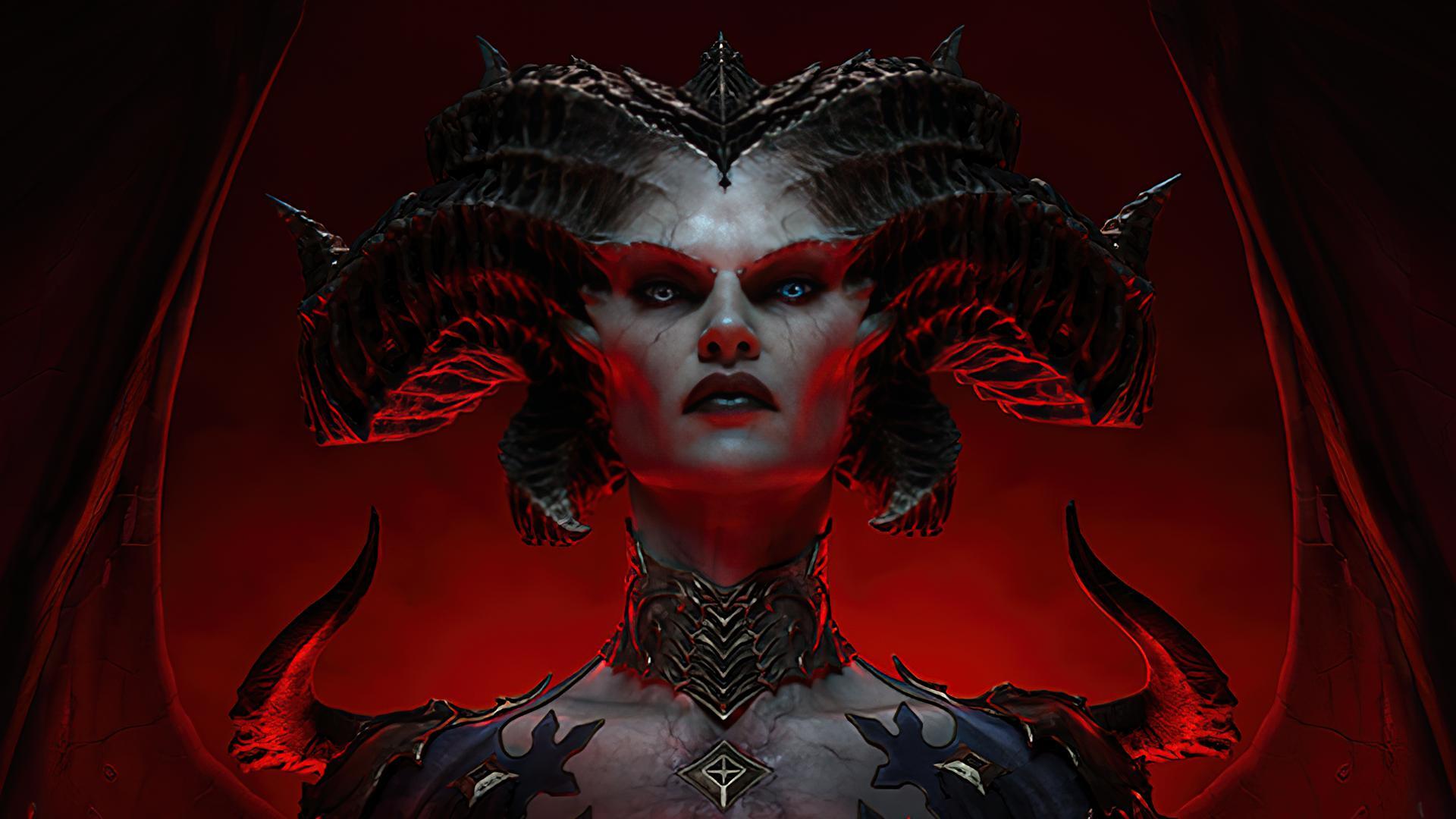
In a move that sent shockwaves through both Sanctuary and the Koprulu Sector, Blizzard's ambitious Starcraft crossover event for Diablo 4 became one of the most talked-about moments in the game's history. It delivered some of the most stunningly designed cosmetics the ARPG has ever seen, but the celebration was quickly overshadowed by a monetization strategy that left many players in disbelief. The price to collect the entire set of these iconic skins totaled a staggering $185, sparking a fierce and defining debate about the value of microtransactions in a full-priced game.
This blockbuster crossover wasn't just a simple cosmetic pack; it was a full-blown fusion of two of Blizzard's most beloved universes, representing a high point for the game's art and design teams. However, its premium pricing set a controversial new benchmark that continues to fuel discussions about the future of live-service monetization.
A Universe Collides: The Ultimate Fan Service
The crossover introduced a collection of meticulously crafted armor sets that transformed Diablo 4's classes into legendary Starcraft archetypes. The fantasy fans had dreamed of for years was finally realized: Barbarians stomped through dungeons clad in the unmistakable power armor of a Terran Marine, Sorcerers channeled the cosmic power of a Protoss High Templar, and Rogues stalked their prey with the lethal precision of a Ghost operative.
These were not simple reskins but complete thematic overhauls, rich with detail that captured the essence of the iconic sci-fi franchise. For a community starved for new Starcraft content, the event was a bittersweet taste of a dormant universe, blending the gothic horror of Diablo with the gritty, futuristic warfare of Starcraft. The undeniable quality and nostalgic power of the designs were universally praised, serving as a powerful testament to the talent within Blizzard's creative teams.
Breaking Down the Bundles: The True Cost of Nostalgia
The community's primary point of contention was the steep and fragmented cost of admission. The full Starcraft collection wasn't offered in a single, discounted super-bundle. Instead, the cosmetics were sold through a series of individual class bundles in the in-game shop, each priced similarly to previous premium offerings at around 2,800 Platinum (approximately $25-$30 USD).
To acquire the complete set—including armor for every class, themed weapon skins, and other accessories—players discovered the final bill could reach, and in some cases exceed, $185. This forced fans, especially those who played multiple classes, into making difficult choices. The pricing model, clearly designed to maximize revenue from individual high-value purchases, alienated a significant portion of the player base who found the cost prohibitive. The fact that the cosmetic collection cost more than double the price of the base game at launch was a bitter pill to swallow.
The New Benchmark for Premium Cosmetics
Diablo 4's in-game shop had been a subject of debate since launch, with many players criticizing the high cost of cosmetics in a game they already paid a premium for. While individual armor sets often pushed the $25-$30 mark, the Starcraft crossover collection set a new, and for many, alarming precedent.
This monetization strategy was widely seen as a test of the market's tolerance for high-cost digital items in a major AAA live-service title. By pricing a single, albeit extensive, cosmetic event at $185, Blizzard placed Diablo 4's monetization in a category typically reserved for free-to-play games. The success and backlash from this event became a critical case study, influencing subsequent cosmetic pricing strategies not just within Diablo 4 but across the wider industry.
Community Reaction: A Firestorm of Praise and Protest
The reaction across social media, Reddit, and official forums was immediate and sharply divided. On one side, players lauded the incredible artistry and creativity, calling the Starcraft skins the best cosmetics ever released for the game. The crossover was hailed as a brilliant love letter to fans of Blizzard's legacy.
However, this praise was almost always followed by frustration and outrage over the price. The prevailing sentiment was one of disappointment that these incredible designs were locked behind an exorbitant paywall. For dedicated fans who held deep affection for both Diablo and Starcraft, the event felt less like a celebration of their loyalty and more like an exploitation of their nostalgia. The crossover remains a landmark event for Diablo 4—a moment that showcased the peak of Blizzard's artistic vision while simultaneously exposing the deep rift between developer monetization and player expectations.