
Dying Light: The Beast - The Mobile Spinoff That Never Was
Last Updated: October 28, 2025
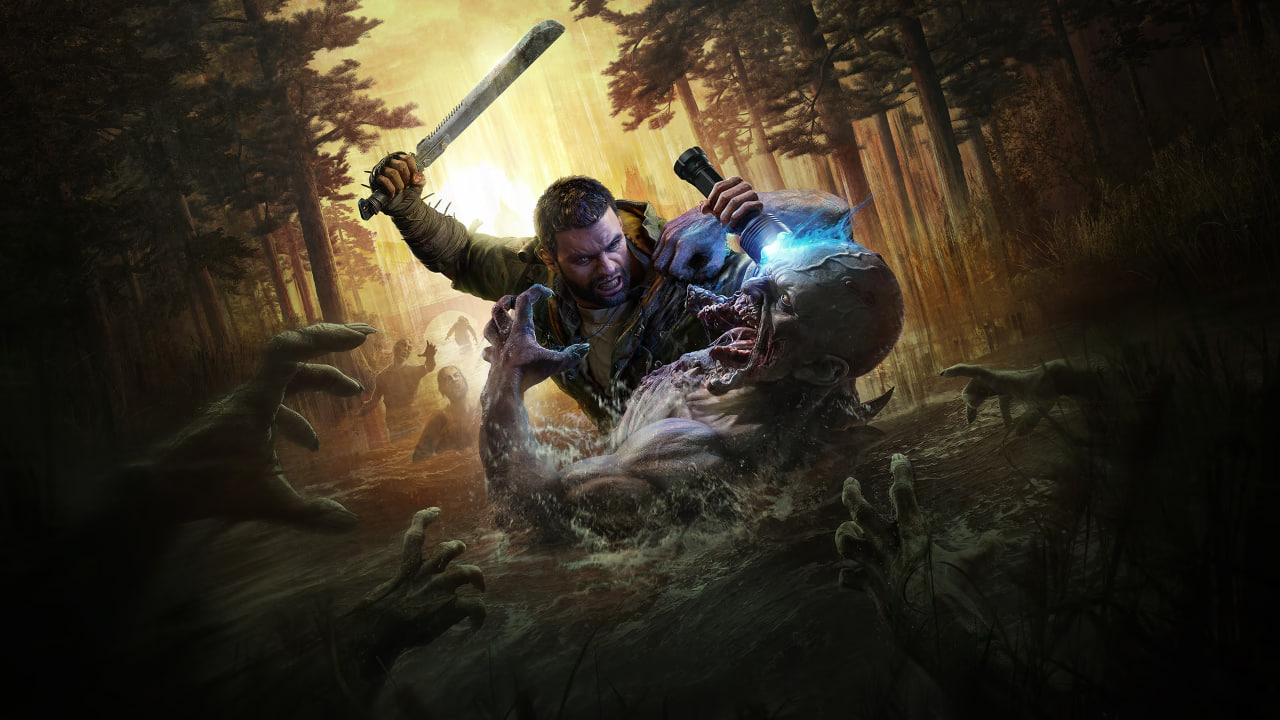
For years, a persistent rumor captivated the Dying Light community: the announcement of a mobile-exclusive title named Dying Light: The Beast. Reports suggested a "refined and condensed" take on the franchise's celebrated parkour and combat, built from the ground up for iOS and Android with a heavy focus on a "superb co-op experience." This thrilling prospect promised to bring the zombie-slaying action of Harran to a massive new audience. But what ever happened to it?
The answer is more complex than a simple cancellation—it's a tale of misinterpretation and the evolution of mobile gaming itself.
The Mythical Mobile Game
Looking back, the initial excitement was rooted in the idea that Techland was developing a standalone mobile game. Speculation pointed towards a mission-based structure perfect for on-the-go play, with streamlined crafting and intuitive touch controls. This concept of a portable, accessible version of Dying Light was, and remains, highly appealing. However, a full-fledged, unique mobile game titled Dying Light: The Beast was never officially released by Techland. The reality of "The Beast" was far different from the myth it became.
The Companion App Connection
The most likely origin of this rumor stems from the official Dying Light Companion App. This mobile application was not a game in itself but rather a supplementary tool for the original PC and console title. Through the app, players could manage their inventory, craft items, and send scouts on missions to gather resources. These gathered materials and crafted gear could then be transferred directly into the main game. This concept of a "condensed" experience with a mission-based structure for gathering loot aligns perfectly with the early rumors, suggesting the companion app's features were misinterpreted or embellished into the concept of a full-blown game.
Co-op Confusion and Speculation
The rumors of a heavy "co-op focus" were likely a case of conflation. The core Dying Light games are famous for their robust cooperative multiplayer. It's probable that this signature feature was simply assumed to be a central pillar of any potential spinoff, fueling the idea that players would be teaming up on their phones to survive the night. While the companion app was a solo affair, its function—supporting your main game character—could be seen as a form of cooperation with your own progress.
The Mystery of 'The Beast'
So, what about the intriguing subtitle, "The Beast"? This element remains the most speculative part of the legend. It was never officially used for a released product and may have been an internal code name, a concept for an in-app event that never materialized, or simply a catchy title created and spread by the community. It evoked a more primal, aggressive style of play, but its true meaning has been lost to time, absorbed into the myth of the game that never was.
Portable Dying Light Realized
While Dying Light: The Beast didn't materialize as a standalone mobile game, the dream of playing Dying Light on a portable device was eventually realized in other, more definitive ways. The most significant development was the release of Dying Light: Platinum Edition on the Nintendo Switch. This was not a condensed experience but the full, celebrated game with all its DLC, expertly ported to the hybrid console.
Cloud Gaming to the Rescue
Furthermore, the advent of cloud gaming has completely changed the landscape of mobile play. Services like Xbox Cloud Gaming and NVIDIA GeForce NOW allow players to stream the full-featured PC and console versions of both Dying Light and its sequel, Dying Light 2: Stay Human, directly to their phones and tablets. This modern solution delivers the uncompromised, graphically rich experience that fans have always craved, far surpassing what any "condensed" mobile spinoff from years ago could have offered.
Conclusion
In the end, Dying Light: The Beast remains a fascinating ghost in the franchise's history—a rumor born from a companion app that ballooned into the legend of a full game. While the title itself never saw the light of day, the core desire behind the hype—a high-quality, portable zombie-slaying experience—has been more than satisfied for the modern gamer.