
FBC: Firebreak 'Breakpoint' Overhaul - A Failed Live-Service Comeback
Last Updated: October 28, 2025
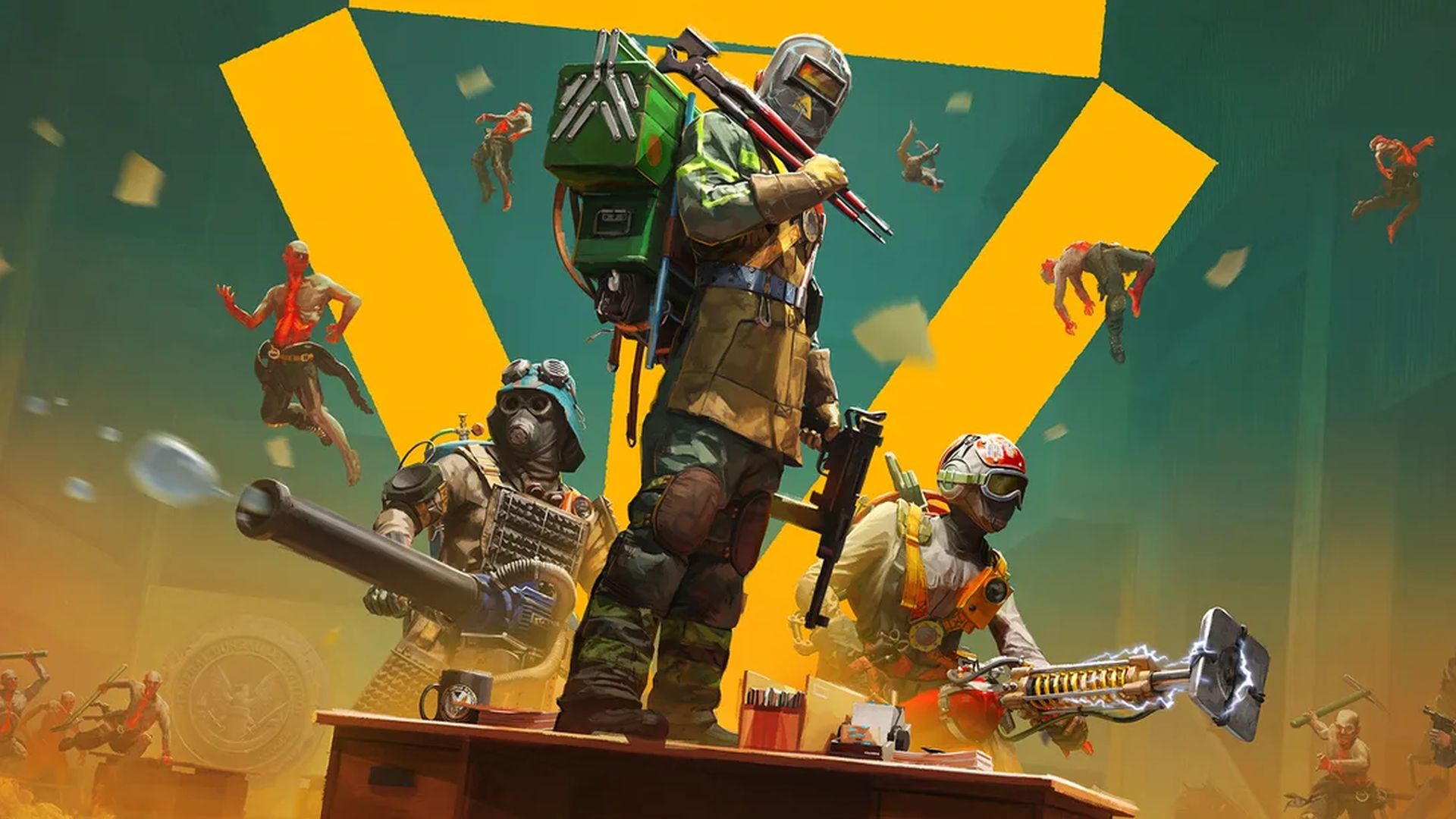
Remedy Entertainment’s massive "Breakpoint" update for its struggling live-service shooter, FBC: Firebreak, was deployed as a critical, make-or-break attempt to salvage the title. Released on September 29, 2025, the patch introduced sweeping system overhauls designed to address core criticisms from its troubled launch.
However, despite the ambitious effort, the update failed to reignite player interest, forcing Remedy to issue a profit warning and casting a long shadow over the ambitious game's future.
A Difficult Debut
Remedy Entertainment’s first solo foray into the competitive live-service landscape had a difficult start. Launched in the summer of 2025 for PC, PlayStation 5, and Xbox Series X|S, FBC: Firebreak was met with a lukewarm reception from both critics and players. While the studio's signature world-building and slick, third-person gunplay received praise, these elements were not enough to overcome foundational problems. The community widely cited an unrewarding loot system, convoluted progression, and a stark lack of compelling endgame content, leaving many feeling the 3-player co-op shooter lacked long-term appeal.
This wasn't Remedy's first encounter with the games-as-a-service model; the studio previously contributed to the development of CrossfireX, another title that faced its own set of challenges. However, FBC: Firebreak was the first live-service project that was wholly their own, putting the studio's reputation for quality and post-launch support directly under the microscope. The disappointing launch performance put immense pressure on the developer to prove it could successfully pivot and adapt in the fast-moving live-service market.
The 'Breakpoint' Update: A Total Overhaul
In a move that signaled the studio was taking player feedback seriously, Remedy delivered the "Breakpoint" update, which promised and implemented significant changes across the board. The update was far more than simple bug fixes, representing a fundamental re-working of the game's core mechanics.
The comprehensive overhaul focused on the primary areas of player complaint:
- Loot and Progression: The update dramatically redesigned the unrewarding loot system, aiming to make gear drops more meaningful, diverse, and exciting. The overall player progression path was also streamlined to feel less like a grind.
- Endgame Activities: To combat player drop-off at max level, Remedy introduced new repeatable mission types and challenging boss encounters, restructuring the existing endgame loop to provide more variety.
- Core Gameplay Balance: While the shooting was always a high point, the patch included numerous tweaks to weapon balancing, enemy difficulty scaling, and ability tuning to create a more consistently satisfying combat experience.
The Aftermath of a Pivotal Moment
The "Breakpoint" update was more than a patch; it was a critical test for FBC: Firebreak and Remedy's future in the live-service space—a test it ultimately failed to pass. While successful turnarounds are not unheard of, with games like No Man's Sky and Final Fantasy XIV famously redeeming themselves, such comebacks are incredibly difficult and rare.
Despite the substantial improvements, the update did not produce the necessary resurgence in the player base. Just weeks later, in early October 2025, Remedy issued a profit warning, directly citing the underwhelming commercial performance of FBC: Firebreak even after its major overhaul. The game's population failed to recover, and sentiment among the broader gaming community suggested a fundamental mismatch between the product and the developer's core audience, who have long associated Remedy with deep, single-player narrative experiences.
The name "Breakpoint" proved tragically prophetic. It marked a decisive moment that, instead of forging a new foundation, appeared to shatter the game's remaining prospects. The story of FBC: Firebreak and its ambitious but ill-fated overhaul now serves as a stark cautionary tale about the immense challenge of launching, and subsequently saving, a live-service game in a fiercely competitive market.