
Tomb Raider Remastered AI Voice Controversy: Cloned Lines Spark Debate
Last Updated: October 23, 2025
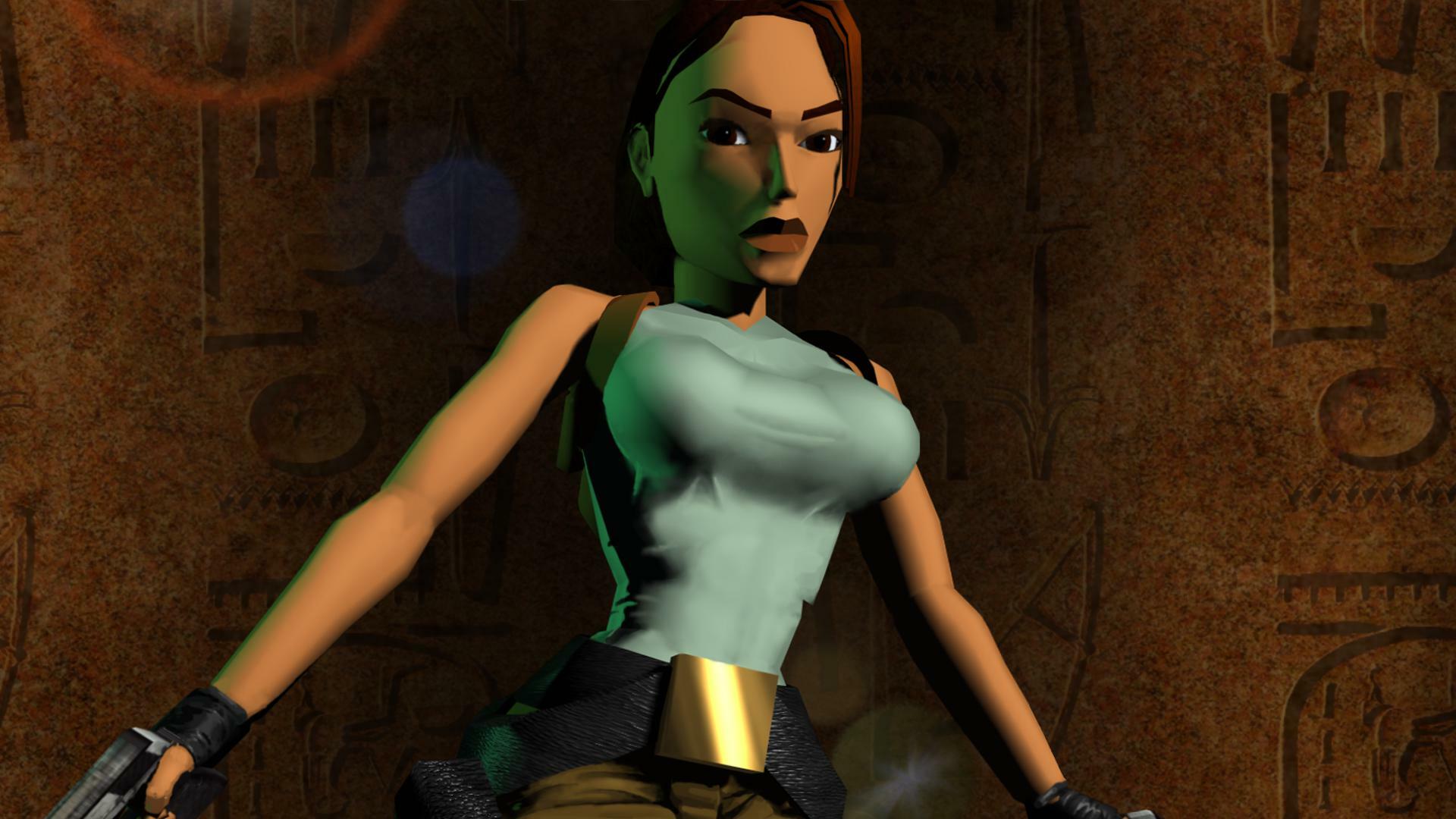
The celebrated launch of Tomb Raider I-III Remastered Starring Lara Croft has been marred by a significant controversy, revealing that developer Aspyr Media used AI-generated voice lines in the French localization without the knowledge or consent of the original voice actress, Françoise Cadol. This incident has ignited a firestorm of debate across the gaming industry, raising critical ethical questions about artificial intelligence, performer rights, and artistic integrity.
Initially discovered by keen-eared fans who noticed jarring inconsistencies in the French audio, the issue quickly gained prominence when Cadol, the iconic voice of Lara Croft in France since the original 1996 release, publicly expressed her shock and disappointment. The controversy centers on new lines of dialogue required for the game's tutorial and other minor additions, which were not present in the classic versions. Instead of hiring Cadol or another actress to record these lines, it was alleged that AI was used to synthesize a voice mimicking her performance.
Cadol's Disapproval and Union Response
In a statement, Cadol described the move as a "betrayal" and "a total disrespect" for her craft and her long-standing connection to the character. The situation escalated as the French video game workers union, Solidaires Informatique Jeu Vidéo, and the French voice actors' union (SFA) condemned the practice, calling for greater transparency and protections for performers against unauthorized AI replication of their voices.
Aspyr and Crystal Dynamics' Apology
The backlash prompted a response from Aspyr Media and Crystal Dynamics. They confirmed that a text-to-speech (TTS) placeholder technology was used during development for a "limited number of lines." Critically, they admitted this placeholder audio was "inadvertently included in the final shipping product" for the French, Italian, and German versions.
In a public apology, the companies stated, "We are working to have this corrected in an upcoming patch... We deeply apologize for the concern this has caused for the voice-acting community and the fanbase." They have since committed to replacing the AI-generated lines with professionally recorded audio from human actors, though it has been confirmed that the original voice actors like Cadol were not contacted for these new recordings.
Wider Implications for the Industry
This incident has become a crucial case study for the entire entertainment industry as it grapples with the rapid advancement of AI. While developers are exploring AI for its potential to streamline production and reduce costs, this controversy serves as a stark warning of the potential legal, ethical, and public relations pitfalls. The core of the conflict revolves around the ownership of a voice likeness and the right of performers to control how their unique vocal identity is used.
The Tomb Raider Remastered situation has galvanized the voice acting community and its advocates, who argue that unauthorized AI voice cloning constitutes a violation of an actor's rights, devalues their work, and threatens their livelihood. If developers can simply synthesize a performer's voice to create new dialogue, it could fundamentally alter contract negotiations and create a future where actors could unknowingly "perform" in projects for years without compensation or consent.
While Aspyr's explanation points to a production error rather than malicious intent, the damage has been done. The controversy has highlighted a critical need for new industry standards and contractual clauses that explicitly address the use of AI. The outcome of this situation, including the upcoming patch and the ongoing industry conversation it has sparked, will undoubtedly set a significant precedent, influencing how developers, publishers, and actors navigate the complex intersection of technology and human creativity for years to come.