
Silksong's Shadow: Hollow Knight's Release and the Indie Game Scene
Last Updated: October 16, 2025
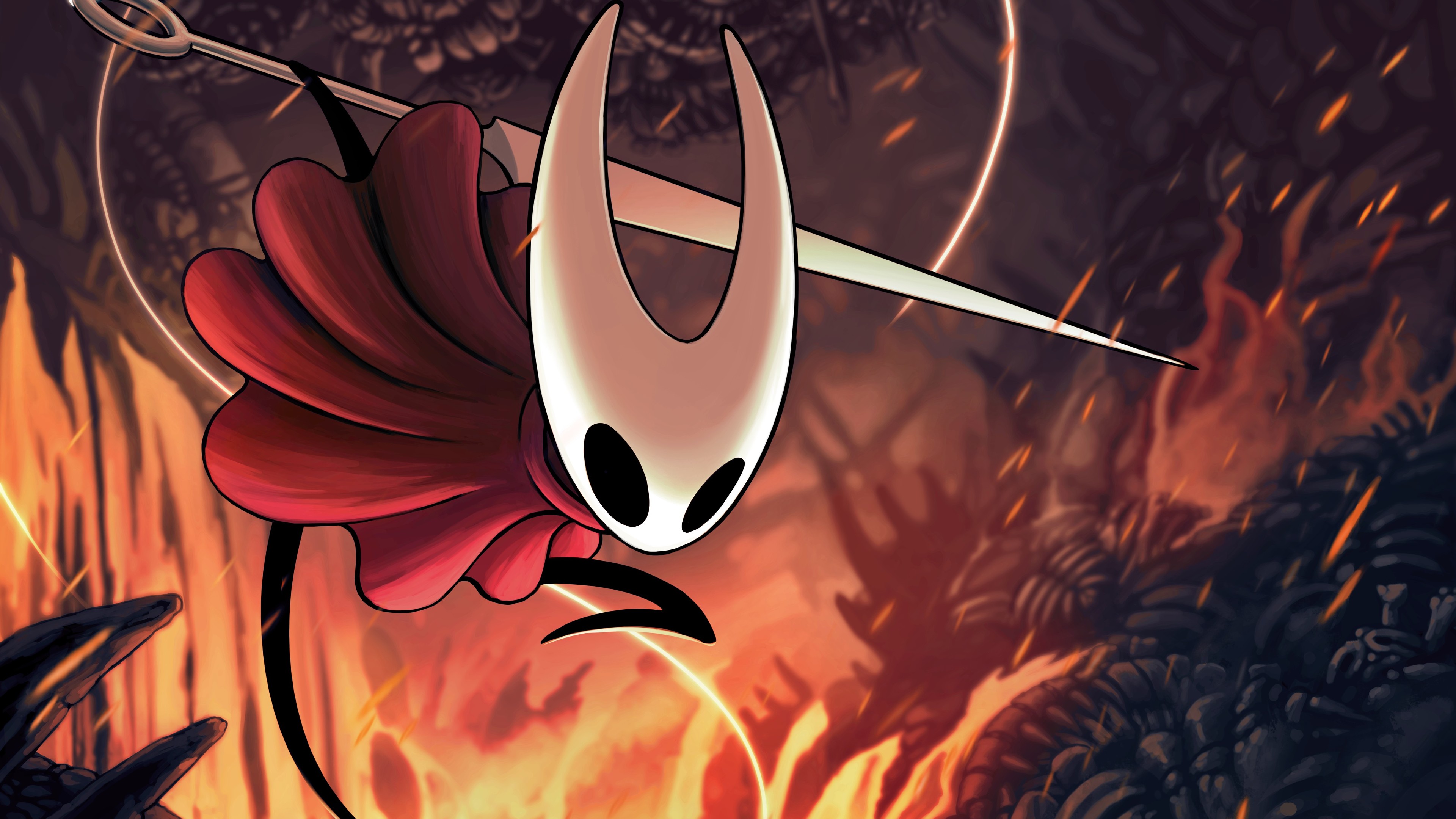
For years, the games industry has been holding its breath for one title more than almost any other: Hollow Knight: Silksong. The sequel to Team Cherry's 2017 masterpiece is a myth in the making, a constant presence in "most anticipated" lists, and a source of both immense excitement and quiet dread for fellow indie developers.
While gamers eagerly await the chance to explore the kingdom of Pharloom, many smaller studios are nervously eyeing the calendar, knowing that the day Silksong finally arrives could create a black hole for attention and sales, pulling in everything around it.
This precarious situation highlights a unique challenge in the modern indie landscape. Consider a game like Hell is Us, the ambitious third-person action-adventure from developer Rogue Factor. Helmed by Jonathan Jacques-Belletête, the acclaimed art director of Deus Ex: Human Revolution, it represents years of work and a meticulously planned launch strategy. Now, imagine planning that launch in a world where the "indie GTA 6," as a game with Silksong's colossal hype could be described, might shadow-drop with little to no warning.
This isn't a distant hypothetical; it's the strategic minefield countless developers must navigate. The original Hollow Knight sold millions of copies, cultivating a dedicated fanbase that has spent over half a decade waiting for the sequel. When Team Cherry finally decides to launch, they won't just be releasing a game; they'll be unleashing a cultural event that will dominate gaming media, influencer channels, and player conversations for weeks, if not months.
For a game like Hell is Us, or any other indie title launching in that same window, the impact could be devastating. Marketing campaigns designed to build momentum could be instantly drowned out. A carefully cultivated moment in the spotlight could be eclipsed. It’s the equivalent of opening a craft brewery next door to a world-famous music festival on the same surprise-announced weekend.
This dynamic illustrates the double-edged sword of the modern "shadow drop." While a surprise launch can generate explosive hype and fantastic headlines, as seen with hits like Xbox's Hi-Fi Rush, it's a tactic best wielded by those with immense brand recognition or publisher backing. For a smaller studio, a surprise launch from a titan like Team Cherry isn't exciting—it's a potential cataclysm. Any studio that has invested heavily in a specific release date, locking in press outreach and advertising, risks seeing that investment vanish overnight.
The result is a chilling effect across the indie release calendar. The prolonged and secretive development of Silksong has created a "phantom menace" for scheduling. Developers are forced to ask themselves: "Do we risk launching in this quarter and hope for the best? Or do we delay, waiting for Team Cherry to make their move?" This game of release-date chicken can lead to crowded launch windows as studios scramble to find a safe harbor, potentially causing them to compete against each other even more fiercely.
Ultimately, the phenomenon surrounding Hollow Knight: Silksong underscores a fundamental vulnerability in the indie development ecosystem. The success of one massive, universally anticipated game, while a triumph for its creators and fans, can inadvertently disrupt the plans and threaten the livelihoods of other passionate developers. No one would argue Team Cherry doesn't have the right to release their game whenever and however they see fit. Yet, as the industry waits, the shadow cast by Silksong's impending arrival serves as a stark reminder of the high-stakes, high-risk reality that defines indie game development today. The entire community is eager for Hornet's adventure to begin, but for the developers hoping to launch their own dream projects, that excitement is tinged with a necessary and understandable caution.