
Indie Horror 'No, I'm Not A Human' Twitch Success: A Nightmarish Story
Last Updated: October 17, 2025
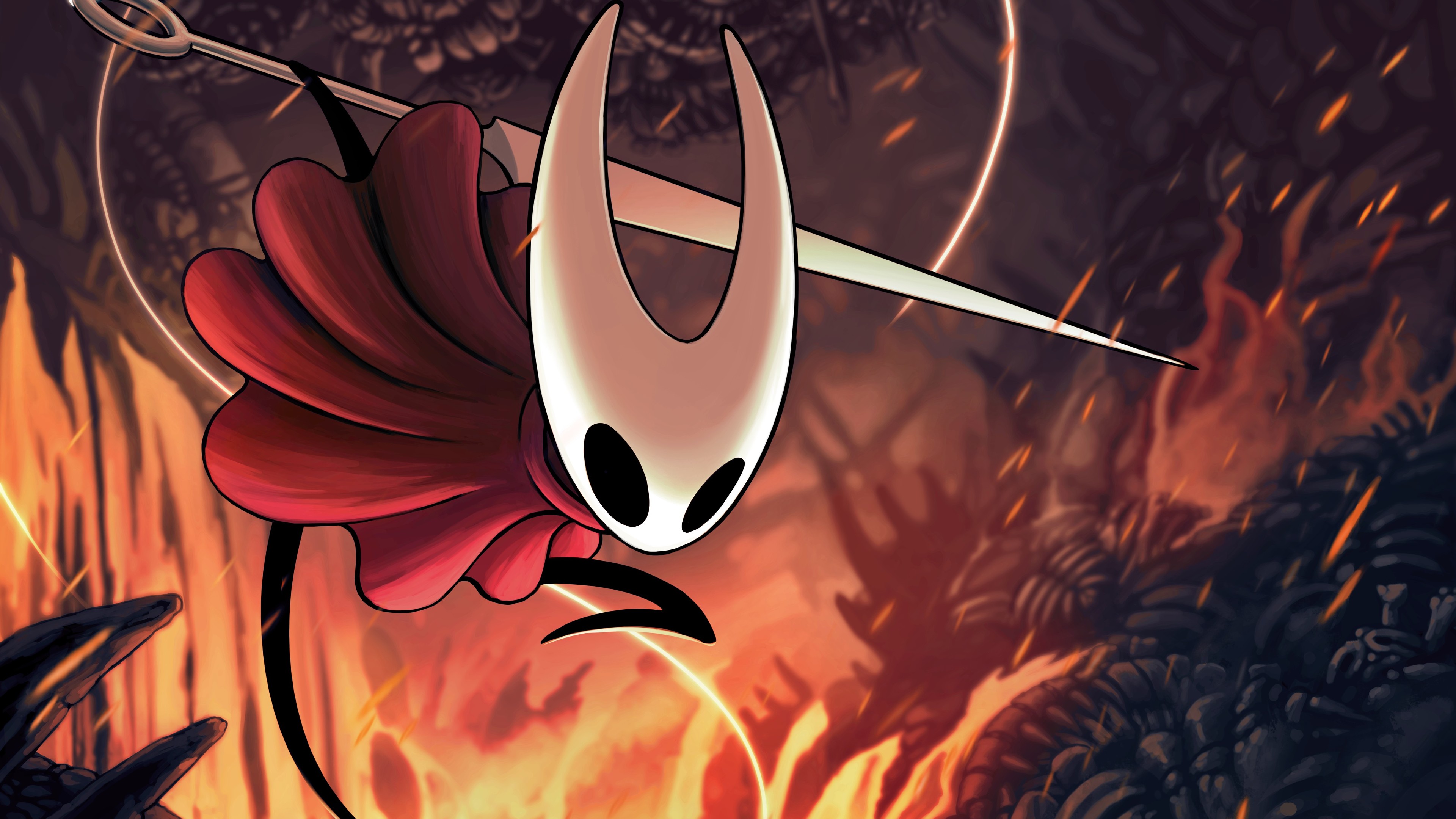
Forget Hollow Knight: Silksong for a moment; by late 2025, there was a new indie horror game making significant waves, and it proved terrifyingly popular! 'No, I'm Not A Human' exploded onto the Twitch scene, racking up a staggering 124,000 concurrent viewers during its peak. That's a number that makes even seasoned streamers envious.
But what was behind this sudden surge in popularity? Was it the gripping gameplay, the unsettling atmosphere, or something else entirely? Let's dive into this unexpected indie horror hit and uncover the secrets of its success.
A Sun-Scorched Apocalypse
Developed by the Russian studio Trioskaz and published by Critical Reflex, 'No, I'm Not A Human' plunges players into a near-future apocalypse where humanity is forced to live in the shadows. The sun, it seems, has become our enemy, making daytime excursions a deadly gamble. Nighttime offers a brief respite, but it's not without its terrors. Imagine hiding in the ruins of a once-great city, the chilling silence broken only by your own ragged breath and the distant whispers of something... else. That 'something else' is what makes this first-person survival horror visual novel truly terrifying.
The game is populated by 'visitors' – lethal creatures that look disturbingly human. They stalk the night, hunting for their next victims, transforming paranoia into gameplay where deciding who to trust becomes a matter of life or death. The psychological horror elements are key, as players must navigate interactions where human-like entities may not be what they seem. It sounds intense, right? It is.
Twitch Triumph, Steam Struggle?
While the Twitch numbers were undeniably impressive, the game's reception on Steam, where it was available, saw a more muted concurrent player peak of around 8,248. This contrast is often observed with single-player games compared to multiplayer titles. Twitch thrives on shared experiences and live reactions, where viewers can collectively gasp, scream, and theorize alongside their favorite streamers. Steam, conversely, is more focused on individual gameplay and direct sales performance.
Perhaps the chilling atmosphere and suspenseful, decision-driven gameplay of 'No, I'm Not A Human' were better appreciated in a shared, communal viewing experience. Have you ever watched a horror movie with friends? That shared experience of fear, that collective gasp as something jumps out on the screen – it's electrifying. This communal interaction was arguably the key to 'No, I'm Not A Human's' Twitch success. It wasn't just a game; it was a shared experience, a collective scream into the void.
Why the Twitch Frenzy?
So, what was the secret ingredient? It was a potent combination of its unique premise, the terrifyingly ambiguous creatures, and its expertly crafted atmosphere. The game managed to create a genuinely unsettling environment, and the 'visitors' were truly creepy. They weren't just monsters; their unsettlingly human-like appearance and the core gameplay loop of questioning trust made them even more terrifying, delving deep into psychological horror. This kind of nuanced horror can really grab viewers.
Imagine being that Twitch streamer, playing through this game for the first time, and seeing that viewer count climb. The tension must have been insane, both in the game and in the real world. That shared experience with the audience, the collective fear and excitement, was something truly special and created a viral phenomenon.
A Horror Story for Our Times
In a world saturated with games, 'No, I'm Not A Human' managed to carve out a unique niche for itself. It stands as a testament to the power of a truly terrifying and psychologically engaging concept, executed with skill and precision by Trioskaz and Critical Reflex. It's a reminder that sometimes, the simplest yet most unnerving ideas can be the most effective, especially when paired with strong visual novel elements that drive player choice and paranoia. And in the competitive world of indie horror, that's a valuable lesson indeed.