
Prey 2 Gameplay Surfaces: Lost Sci-Fi Vision Unearthed After Decade
Last Updated: October 11, 2025
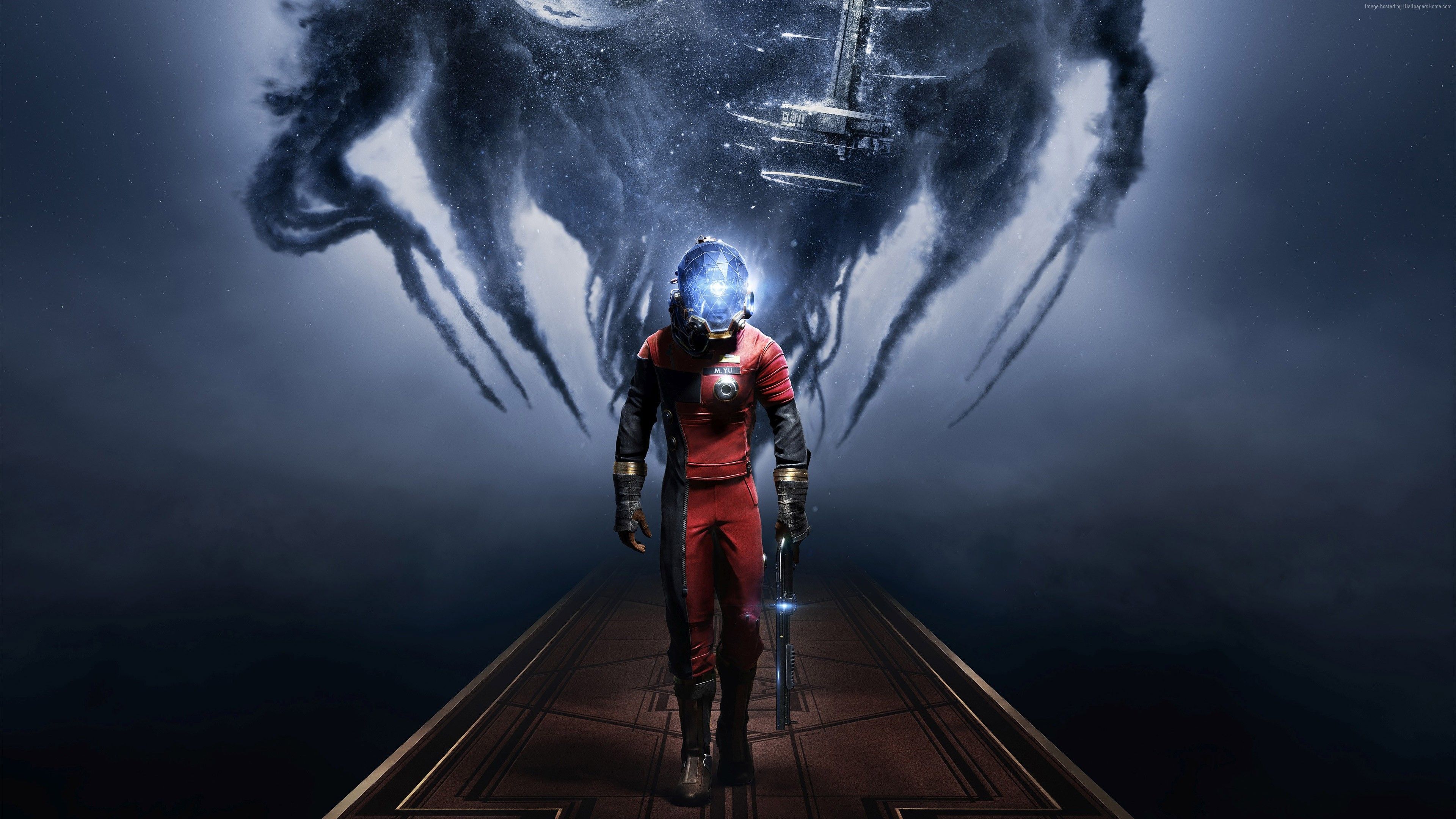
More than a decade after its official cancellation in 2014, never-before-seen gameplay footage of the highly anticipated Prey 2 has unexpectedly surfaced online. This rare glimpse into a lost chapter of video game history offers a tangible look at what could have been, igniting a wave of excitement and nostalgia across the gaming community.
The footage, uploaded by a former developer, presents a unique opportunity to analyze the game's intended mechanics, art direction, and overall vision, providing invaluable context to one of the industry's most intriguing "what if" scenarios. This discovery not only serves as a digital artifact for historians and enthusiasts but also reopens discussions about the complexities of game development and the projects that, for various reasons, never saw the light of day.
A Decade-Long Mystery Unveiled: The Emergence of Prey 2 Gameplay
More than ten years following its official cancellation by Bethesda Softworks in 2014, gameplay footage from the much-discussed and ultimately unreleased title, Prey 2, made its way online in September 2023. This sudden reveal captured the attention of long-time fans and gaming historians alike, offering the first substantial look at a project that has remained largely unseen since its development ceased. The footage provides a tangible connection to a game that, for many, existed only in concept art, early trailers, and the annals of industry speculation.
The discovery is particularly notable due to the significant passage of time since the game's cessation of development. In the fast-paced world of video games, a decade represents multiple console generations, numerous technological advancements, and countless new releases. For footage from such an old, cancelled project to surface now is a rare occurrence, highlighting the enduring interest in titles that never reached completion.
The Origins of the Unexpected Upload
The gameplay footage materialized on YouTube in September 2023, uploaded by David Halsted. Halsted, a former developer at Human Head Studios — the original team behind Prey 2 — is now an architect at ZeniMax Online Studios. He uploaded five distinct videos to his personal channel, showcasing various aspects of the game's development. What makes this particular source intriguing is that Halsted himself, a direct participant in the game's creation, chose to share this historical material.
For many, this unexpected upload serves as a digital archaeological find, providing insight into the creative processes and technical ambitions of a past development cycle. The circumstances surrounding its release only amplify the sense of discovery, transforming a simple upload into a notable event within the gaming community.
Prey 2: An Ambitious Vision Cut Short
Originally announced to much fanfare, Prey 2 was poised to follow a distinct path from its 2006 predecessor, promising a unique experience that generated considerable anticipation. Developed by Human Head Studios and slated for publication by Bethesda Softworks, initial details and promotional materials suggested an expansive and innovative approach, which quickly garnered a dedicated following eager to see its realization. The game was envisioned as an open-world, sci-fi bounty hunter adventure, a stark contrast to the original's linear first-person shooter mechanics. Its cancellation in 2014, reportedly due to creative differences and quality concerns that Bethesda felt Human Head Studios couldn't resolve, came as a significant disappointment to many who had been following its development.
The reasons behind a game's cancellation are often complex, ranging from financial constraints and development challenges to creative differences and evolving market conditions. While specific detailed reasons for Prey 2's cancellation were not extensively publicized at the time, the decision left a void for players who had envisioned themselves diving into its world. The project became a prime example of a game with immense potential that, for various reasons, was unable to cross the finish line.
Analyzing the Significance of Discovered Gameplay Footage
- Historical Insight: It offers a direct window into a specific moment in game development history, preserving a record of creative and technical efforts that would otherwise be lost.
- Understanding Development Cycles: Viewers can gain a better appreciation for the iterative nature of game design, seeing elements that were in progress and understanding the direction the developers were taking.
- Fueling Discussion and Nostalgia: For fans who followed the game's original announcement, the footage evokes strong feelings of nostalgia and reignites discussions about what the game could have become. It allows the community to collectively mourn the lost potential or celebrate the vision, however incomplete.
- Artistic Preservation: Beyond mechanics, the footage showcases the artistic direction, character designs, environmental aesthetics, and user interface elements that were being crafted. This provides a visual legacy for the work of the artists and designers involved.
The footage serves as a valuable artifact, contributing to the broader understanding of game development as an art form and an industry, demonstrating the challenges and triumphs inherent in bringing complex interactive experiences to life.
The Enduring Interest in Unreleased Projects
The phenomenon of unearthing content from cancelled games speaks to a deeper fascination within the gaming community: the "what if" scenarios. Every cancelled project represents a path not taken, a universe unexplored. For a game like Prey 2, which had a known identity and generated considerable interest, the resurfacing of gameplay footage allows a brief, tantalizing glimpse into that alternate reality.
This event underscores the passionate dedication of the gaming community, whose collective memory often preserves the legacy of even unreleased titles. It also highlights the ongoing desire for transparency and insight into the often-private world of game development, where many projects never make it to market. The sudden appearance of this footage not only satisfies a long-held curiosity but also reinforces the idea that some stories, even those of cancelled games, continue to resonate for years, or even decades, after their initial telling.