
Marvel Rivals: Fanfan's Technical Deep Dive on Performance & Stability
Last Updated: October 21, 2025
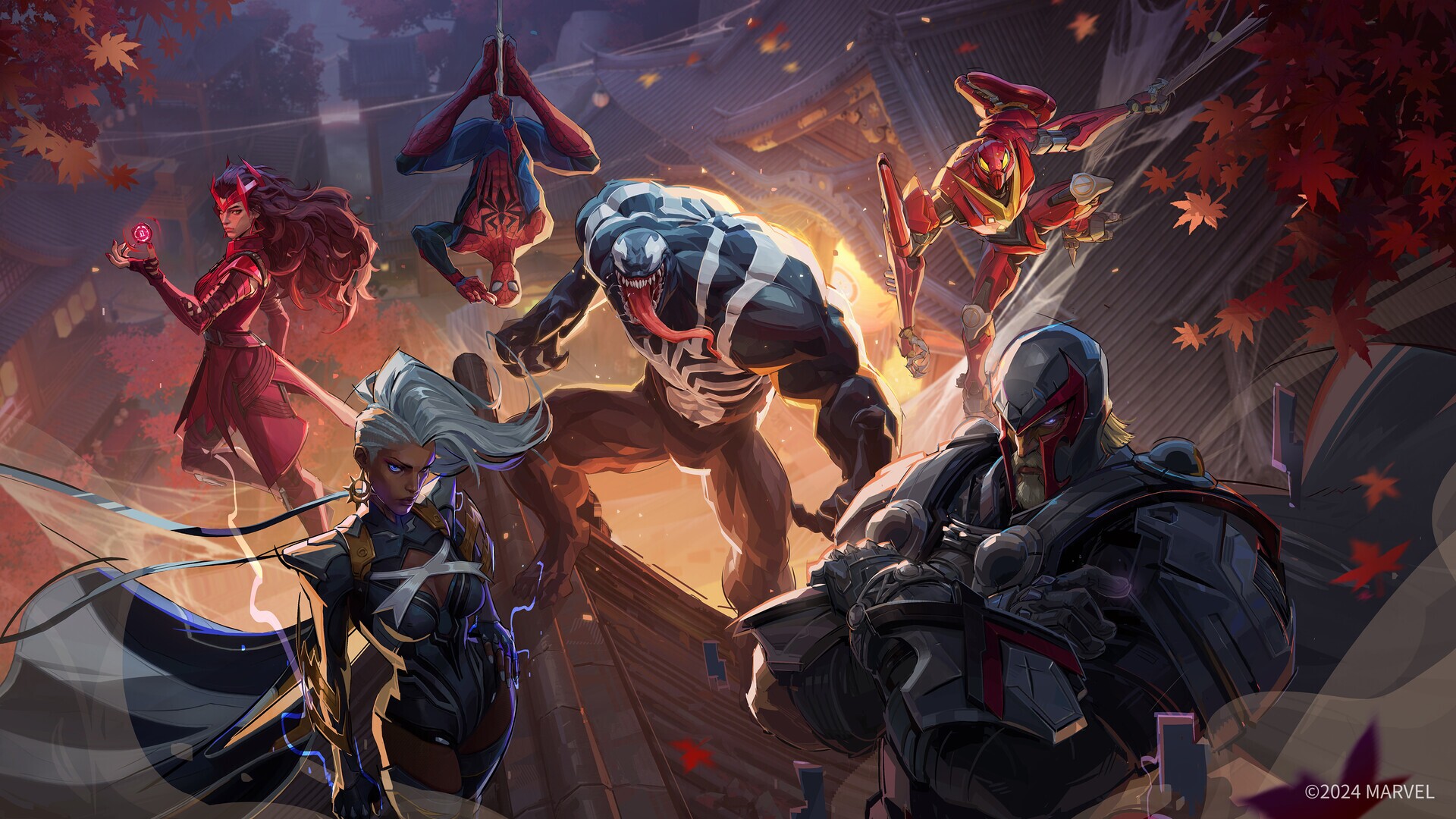
In a direct and transparent address to its growing community, Marvel Rivals' developer NetEase has released the first volume of "Technically Speaking," a new developer diary series aimed at pulling back the curtain on the game's development. Hosted by Technical Director Fanfan, the inaugural video confronts key player feedback from the recent Closed Alpha test, focusing squarely on performance, server stability, and game-feel issues like stuttering.
This deep dive offers a crucial look at the team's commitment to polishing their 6v6 hero shooter ahead of its full launch on PC and consoles, moving beyond simple patch notes to provide a detailed breakdown of the technical challenges and the solutions being implemented.
Building Trust Through Transparency
The relationship between game developers and players can often feel distant, with communication limited to marketing beats and formal announcements. By launching this series, the Marvel Rivals team is taking a proactive stance, addressing technical concerns head-on. This move is particularly significant following the Closed Alpha, where players provided a wealth of data and feedback. Instead of letting concerns fester, Fanfan's video acts as a direct response, acknowledging the community's experience and outlining a clear path forward. This level of transparency is essential for building trust and fostering a loyal community, especially when entering the highly competitive hero shooter market.
Dissecting the Stutter: Performance and Optimization Explained
The most prevalent technical feedback from the Alpha centered on performance issues, specifically jarring stutters that could disrupt the flow of combat. Fanfan dedicated a significant portion of the video to explaining the root causes and the team's multi-pronged approach to fixing them.
He identified two primary culprits for the stuttering:
- On-the-fly Asset Loading: Intense moments, such as Hulk's transformation into his Gamma-powered form or the destruction of environmental objects, caused the game to load complex assets in real-time, resulting in a performance hitch. The team is now working to pre-load these critical assets to ensure they are ready in memory before they appear on screen.
- Shader Compilation: As a game built on Unreal Engine 5, Marvel Rivals was compiling some shaders during gameplay. This is a common cause of stutter in modern games, and the team is now implementing a pre-compilation step to handle this process during loading screens or before a match begins.
Beyond stuttering, Fanfan also addressed overall server performance and stability. He confirmed that the Alpha test revealed network latency issues for some players and that the team is actively working to optimize its server infrastructure and netcode. This includes plans for more globally distributed server locations to ensure a smoother, more responsive experience with improved hit registration for all players in future tests and at launch.
A Strategic Move in a Competitive Arena
The hero shooter genre is fiercely competitive, with titans like Overwatch 2 and Valorant commanding massive player bases. For a new contender like Marvel Rivals, technical excellence isn't just a feature—it's a prerequisite for success. A game's performance, stability, and netcode are the foundations of a fair and enjoyable competitive experience.
By publicly dissecting these issues and demonstrating a clear, technically-sound plan to resolve them, NetEase is sending a powerful message. It shows a commitment to the player experience and an understanding of what the competitive community demands. This approach strategically positions Marvel Rivals as a title backed by a responsive and technically proficient team that listens to its players.
The Road Ahead
The "Technically Speaking" series is more than a simple developer update; it's a foundational piece of community management and a statement of intent. It assures players that their feedback from the Closed Alpha was not only heard but has become a direct catalyst for meaningful technical improvements. Fanfan’s detailed and candid explanation establishes a precedent for open communication, setting a positive and promising tone as Marvel Rivals continues its development toward a highly anticipated release.