
Marvel's Tōkon: Spider-Man & Ghost Rider Gameplay Deep Dive
Last Updated: October 27, 2025
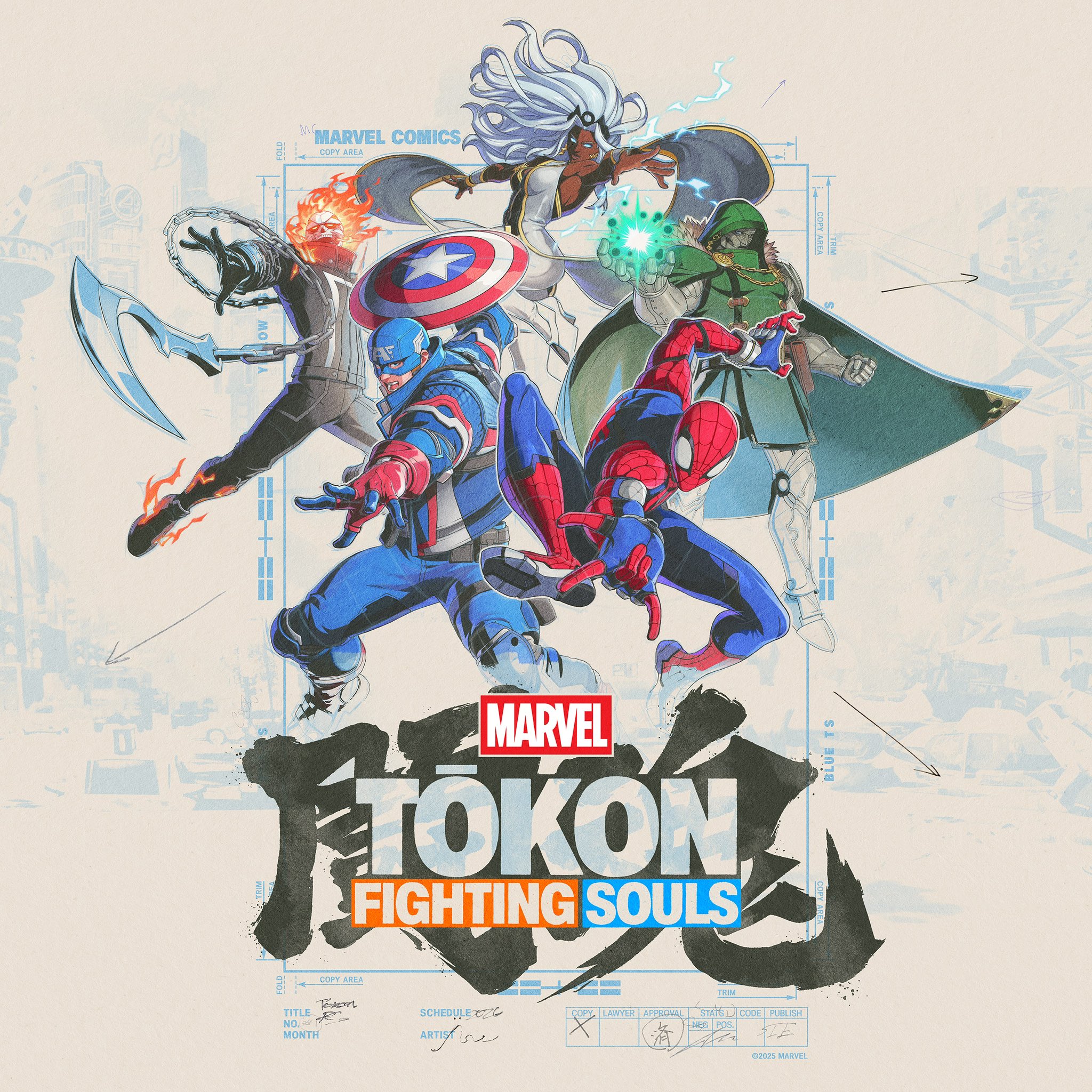
When Marvel Games, PlayStation Studios, and legendary fighting game developer Arc System Works first announced *Marvel's Tōkon: Fighting Souls*—a stunning 4v4 tag-team fighter slated for a 2026 release on PS5 and PC—the hype was immediate. Following its initial reveal, one of the most illuminating early showcases came from the Tokyo Game Show, where two iconic and wildly different heroes were made playable for the first time: the agile Spider-Man and the supernatural Ghost Rider.
This early demo provided a crucial look into the game's core design philosophy and demonstrated how Arc System Works was translating beloved characters into a complex tag-team environment.
Web-Slinger's Agility: The Ultimate Aerial Rushdown
As expected, Arc System Works captured Spider-Man's essence as a whirlwind of motion. His gameplay is fundamentally built on unparalleled mobility and high-speed mix-ups, making him a nightmare to pin down. The TGS build showed him effortlessly zip-lining across the screen with his webs, a mechanic that proved vital for both combo extension and lightning-fast character tags. He utilizes walls to launch new attack vectors and traps opponents in intricate web-based setups that allow teammates to enter the fray for devastating combos.
His classic move set was reimagined for *Tōkon's* engine. His Web Ball serves as a quick projectile to control space, while his Web Swing is a fantastic mobility tool and overhead attack. A key feature revealed was his unique evasive maneuver, a "Spider-Sense" mechanic that functions as a stylish dodge, slowing down time briefly on a successful activation to allow for a devastating counter-attack.
The animation is fluid and full of personality, perfectly capturing the character's lithe and acrobatic style. Spider-Man was clearly designed as the quintessential rushdown character, rewarding players with high mechanical skill and spatial awareness by allowing them to dominate the screen and overwhelm opponents before they can mount a defense.
The Spirit of Vengeance: A Mid-Range Powerhouse
In stark and fiery contrast to Spider-Man's nimble grace is the raw, supernatural power of Ghost Rider. Where Spidey is fast and evasive, Ghost Rider is a deliberate and imposing force on the battlefield. His movements are heavier and more grounded, but each attack carries immense, screen-shaking weight. His gameplay centers on his iconic hellfire chain, which he uses to control space, pull enemies in, and deliver brutal, wide-arcing strikes. The impressive range on these chain attacks established him as a formidable mid-range fighter, capable of punishing opponents and covering for his teammates from a safe distance.
Of course, it wouldn't be Ghost Rider without hellfire. Searing orange flames erupt from his special moves, creating a stunning visual spectacle and a powerful zoning tool. The demo featured a wave of fire sent across the ground, an explosive burst that functions as a "get off me" tool, and a command grab where he sears his foe with his fiery gaze. His Level 3 Super was later confirmed to be the iconic Penance Stare, a cinematic attack that inflicts massive damage. In the 4v4 system, he excels as an anchor, capable of intimidating opponents and controlling the neutral game through sheer force and punishing special attacks.
A Glimpse into Tōkon's Roster Philosophy
Showcasing these two characters together was a masterful move. Spider-Man represents the classic, high-flying street-level hero, while Ghost Rider brings in the dark, supernatural corner of the Marvel universe. This pairing immediately signaled that Arc System Works was aiming for a wide-ranging roster that celebrates the incredible diversity of Marvel Comics, creating a true clash of worlds beyond just the expected Avengers and X-Men.
The Tokyo Game Show demo was a pivotal moment that solidified *Marvel's Tōkon: Fighting Souls*' identity. It revealed a deep understanding of the source material, translated perfectly into the fast-paced mechanics of a 4v4 tag-team fighter. The impact of each hit felt immense, the visuals were crisp and vibrant, and the commitment to character authenticity was palpable. Seeing these two beloved heroes brought to life with such care confirmed that one of the most exciting fighting games of the generation was on the horizon.