
The Legacy of Paragon: Why Epic Games Shut Down Its MOBA
Last Updated: October 26, 2025
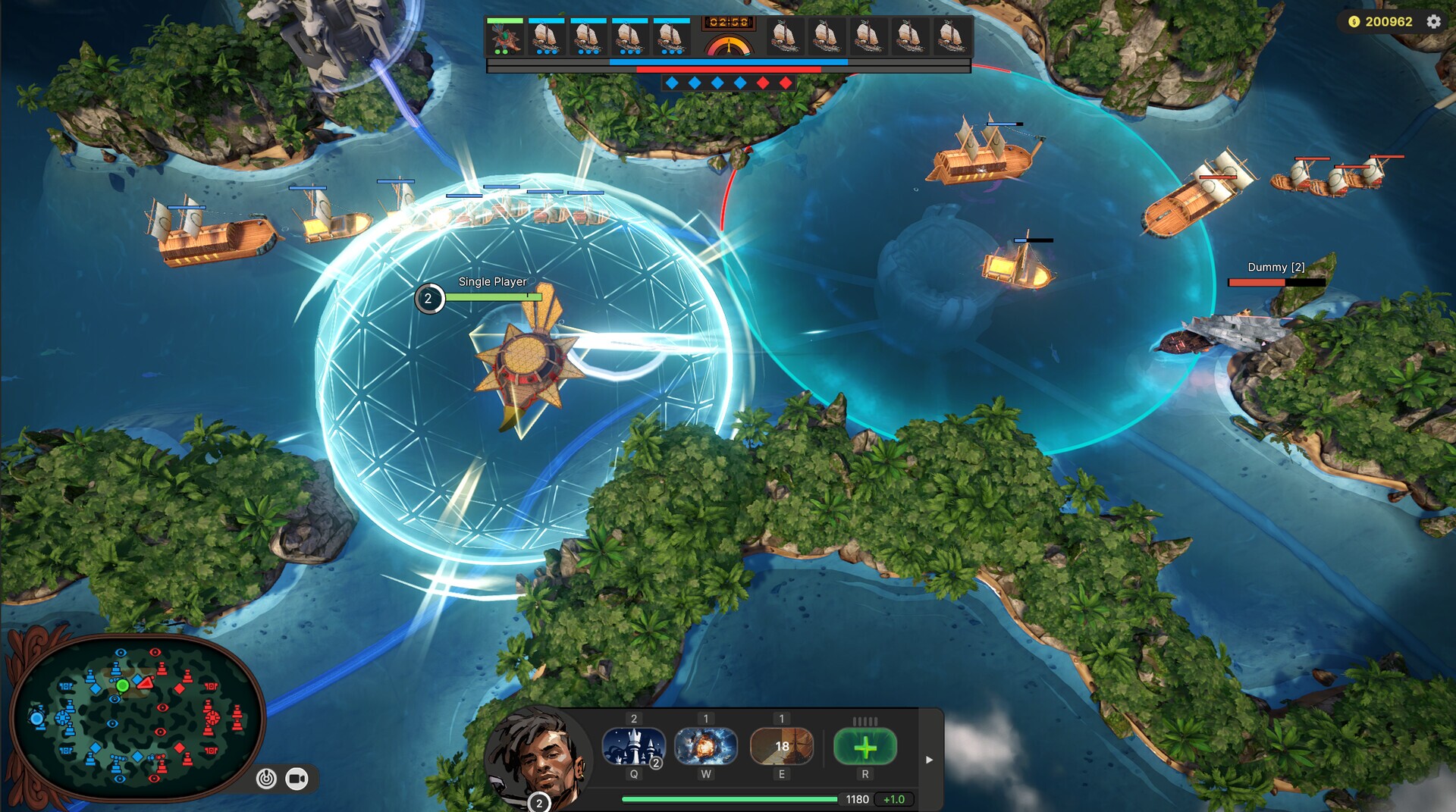
In a move that sent ripples through the gaming industry, Epic Games shut down its visually stunning Multiplayer Online Battle Arena (MOBA), Paragon, on April 26, 2018. Despite its high-production values and a dedicated community, the game ceased operations after just two years, never leaving its beta phase. The story of Paragon serves as a stark case study on the brutal competition of the MOBA market, the unpredictable nature of development, and the long shadow cast by a once-in-a-generation success story: Fortnite.
A Beautiful Contender in a Brutal Arena
Launched into early access in March 2016, Paragon was Epic Games' ambitious attempt to carve out a niche in the most challenging of genres. It immediately stood apart from the isometric, top-down titans of the industry like League of Legends and Dota 2. Built on Unreal Engine 4, Paragon was a graphical powerhouse, offering a breathtaking third-person perspective that brought its diverse roster of heroes and the world of Agora to life with unparalleled fidelity.
The game's action-oriented combat, verticality in map design, and unique card-based item system were intended to be key differentiators. Players who connected with Paragon praised its visceral feel and strategic depth. However, these unique elements also contributed to a steep learning curve. Throughout its beta, the game underwent massive overhauls, including the controversial "Monolith" update, which dramatically changed the map and gameplay speed in an attempt to address player feedback and shorten match times. These constant shifts, while well-intentioned, struggled to unify the community or attract a critical mass of new players.
The Shadow of a Titan: How Fortnite Sealed Paragon's Fate
While Paragon fought for a foothold, another Epic Games project was quietly brewing. In mid-2017, Epic launched a free-to-play Battle Royale mode for its co-op game, Fortnite. What happened next was unprecedented. Fortnite Battle Royale became a global cultural phenomenon, exploding in popularity and demanding an all-hands-on-deck approach from the studio.
The success of Fortnite had a direct and fatal impact on Paragon. In a January 2018 blog post announcing the shutdown, Epic was transparent about the challenges. They stated, "The simple truth is that we haven’t been able to hold onto a big enough group of players to make Paragon sustainable." While the team expressed immense passion for the game, the allocation of resources and developers inevitably shifted to support the meteoric growth of Fortnite. Paragon, the beautiful but underperforming title, was left in the shadow of a game that was quickly becoming one of the most profitable in history.
An Unprecedented Shutdown and a Generous Farewell
The decision to shut down a live-service game is never easy, but Epic Games handled the process with a level of grace that earned them widespread community respect. In a move rarely seen in the industry, the company offered a full, no-questions-asked refund to every single player for every purchase they had ever made within the game. This included founder's packs, in-game currency, and cosmetic items. It was a costly but powerful gesture that acknowledged the investment of Paragon's dedicated, if small, player base.
A Digital Phoenix: The Afterlife of Paragon
The story of Paragon did not end on April 26, 2018. In another landmark decision, Epic Games released the game's entire library of high-quality assets—valued at over $12 million—for free on the Unreal Engine Marketplace. This included characters, environments, animations, and more, empowering other developers to use them in their own projects.
This act of generosity gave rise to a new chapter for the game's legacy. Fueled by passion for the original, several independent studios and community-led projects emerged to resurrect the experience. Titles like Predecessor and Paragon: The Overprime have since launched, built directly from the ashes and assets of the original. These spiritual successors have managed to capture and sustain a player base, keeping the spirit of Paragon's unique third-person MOBA combat alive for veterans and new players alike. Paragon's closure, while a failure for Epic, ultimately became a unique success for its community, proving that even when a game's official servers go dark, its soul can live on.