
Nioh 3: State of the Samurai Epic & Team Ninja's Future
Last Updated: October 25, 2025
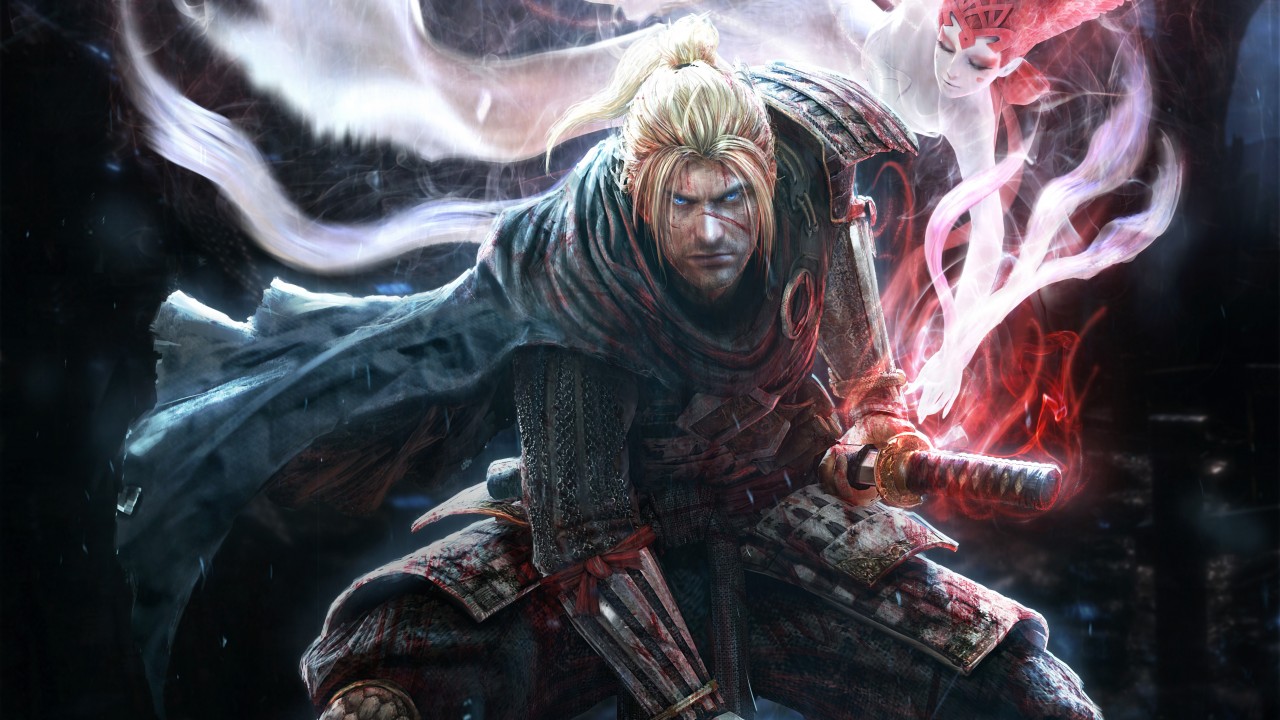
For years, fans of Team Ninja's brutal masterpiece have held onto a glimmer of hope, eagerly awaiting any news of a third journey into the yokai-infested Sengoku period. The Nioh series carved a formidable niche in the action-RPG landscape with its punishing combat, intricate loot systems, and a masterful blend of Japanese history and dark fantasy. The story of William Adams in the first game and the custom-created protagonist "Hide" in the second created a complete, celebrated saga.
But as time passes, the ultimate question remains: Will we ever see Nioh 3?
The End of a Saga: Team Ninja's Official Stance
While the desire for a sequel remains palpable within the community, the creators at Team Ninja have provided a clear, if bittersweet, answer. In interviews following the release of Nioh 2's final DLC, key figures from the studio, including producer Fumihiko Yasuda, confirmed that the story they set out to tell is complete. They consider the Nioh series to be a finished chapter for the time being, with no active development or near-future plans for Nioh 3.
Rather than being a sign of the end, this was a creative decision to explore new worlds and gameplay mechanics. Team Ninja has since channeled its expertise and passion into new, highly-acclaimed intellectual properties, evolving the formula that made Nioh a modern classic.
Beyond Yokai: The Evolution into Wo Long and Rise of the Ronin
Instead of a direct sequel, Team Ninja has delivered spiritual successors that push their design philosophy in bold new directions. The first of these was Wo Long: Fallen Dynasty, which transported players from the Sengoku period of Japan to the turbulent Three Kingdoms period of China. While retaining the studio's signature challenging combat and formidable bosses, Wo Long shifted the core mechanics away from Nioh's Ki Pulse and Stances toward a fluid, aggressive system centered on deflecting attacks to break an enemy's spirit. It was a fascinating iteration on their formula, proving their design prowess was not limited to the samurai setting.
Following that, the studio released Rise of the Ronin, an ambitious open-world action RPG set during the Bakumatsu period in the mid-19th century. This title expanded the scope dramatically, offering players a vast world to explore, a deeper narrative focus with branching choices, and a refined combat system that blended katana warfare with the introduction of firearms. Rise of the Ronin represents the culmination of Team Ninja's learnings, combining the tight, stance-based combat reminiscent of Nioh with the grander scale of a modern open-world adventure. These projects demonstrate that while the Nioh name may be resting, its spirit is very much alive and evolving.
The Enduring Legacy of Nioh's World
What made the Nioh series so unforgettable was its unique identity. It wasn't just another Soulslike; it was a deep-dive into a specific, richly detailed period of Japanese history, twisted by supernatural horror. Players crossed blades with yokai-transformed versions of legendary figures like Oda Nobunaga, Toyotomi Hideyoshi, and Tokugawa Ieyasu. The games served as a violent, fantastical history lesson, grounding their terrifying monster designs in centuries of Japanese folklore.
The combat system remains a benchmark for the genre. The three-stance system (High, Mid, and Low) offered unparalleled depth, forcing players to adapt their approach for every enemy and situation. Mastering the Ki Pulse—a perfectly-timed button press to recover stamina—created a high-skill ceiling and a combat rhythm that felt utterly unique. Paired with an almost overwhelming amount of loot, build variety, and endgame content, Nioh and Nioh 2 offered hundreds of hours of rewarding, challenging gameplay that fans still revisit today.
What Could a Future Nioh 3 Look Like?
While Team Ninja has moved on for now, it's impossible for fans not to speculate on what a hypothetical Nioh 3 could entail on modern hardware like the PlayStation 5. The power of current-gen consoles could eliminate load times entirely, creating a seamless and even more immersive world. Haptic feedback could allow players to feel the clash of steel, the satisfying connection of a Ki Pulse, and the rumble of a massive yokai's approach.
A sequel could explore a different era of Japanese history, perhaps the Genpei War or the Nanboku-chō period, offering a fresh cast of historical figures to fight alongside and against. New weapon types, an evolution of the Guardian Spirit and Yokai Shift systems, and even more terrifying creatures from folklore could push the established formula to new heights. For now, this remains a dream. The reality is that the talent and creativity that would have produced a Nioh 3 have instead been invested in creating new experiences like Wo Long and Rise of the Ronin. The journey through Japan's dark fantasy past is over for now, but the legacy of its developer—and the brutal, brilliant gameplay they pioneered—is stronger than ever.