
Ghost of Tsushima: From Digital World to Real-Life Tourism Boom
Last Updated: October 30, 2025
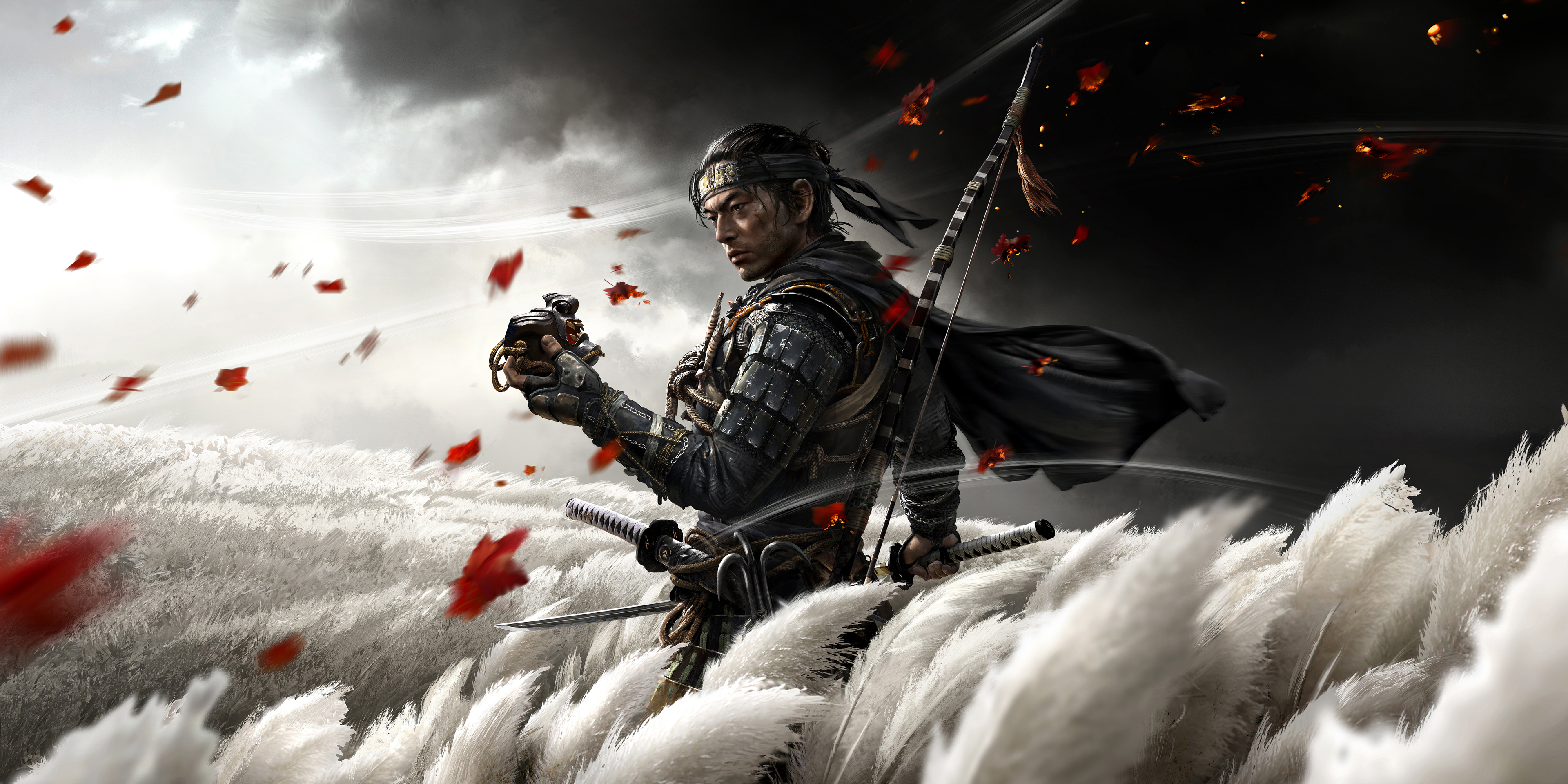
When Sucker Punch Productions released *Ghost of Tsushima* in 2020, it was immediately praised for its sharp combat, compelling narrative, and, most notably, its breathtaking artistic direction. The game’s stunning depiction of feudal Japan—with its golden forests, windswept fields of pampas grass, and serene temples—created an immersive world that became as much a character as its protagonist, Jin Sakai.
This digital masterpiece did more than just sell millions of copies; it ignited a powerful, real-world desire among players to experience its inspiration firsthand, transforming the actual Tsushima Island into a bucket-list destination for gamers worldwide.
Capitalizing on this incredible grassroots tourism boom, PlayStation has since explored official avenues to bridge the gap between the game and its real-world muse, creating curated experiences for its massive fanbase. One of the most notable initiatives was a landmark collaboration with the leading Asia-Pacific travel platform Klook, which produced a unique, game-inspired tour that looks toward the future of the franchise.
The Official Tour: A Journey to Hokkaido, Not Tsushima
While the original game is set on Tsushima Island, PlayStation and Klook’s officially sanctioned tour took a surprising, forward-looking approach. Titled the "Ghost of Yōtei Hokkaido Tour," the experience was centered on Japan's northernmost island, Hokkaido. This move, initially puzzling to some fans, was a deliberate choice tied to the widespread anticipation for the game’s sequel, rumored to be titled *Ghost of Yōtei*.
The tour’s name is a direct reference to Mount Yōtei, a magnificent, inactive stratovolcano in Hokkaido that bears a striking resemblance to Mount Fuji and is often called "Ezo Fuji." This iconic landmark and the surrounding landscapes are believed to have served as key visual references for the artists at Sucker Punch Productions as they conceptualize the next chapter in the series.
The curated journey was designed not to replicate the first game’s locations, but to immerse travelers in the real-world atmosphere and natural beauty that informs the series' distinct aesthetic. The itinerary guided participants through vast, open plains reminiscent of the Izuhara region, dense, mystical forests that echo the game's mythological tales, and serene locations that capture the contemplative spirit of its hot springs and shrines. The experience, primarily marketed to the passionate player base in Southeast Asia, allowed fans to walk through the environments that fuel the developers' creativity.
A New Era of Experiential Gaming and Cultural Impact
The fan-driven pilgrimage to the real Tsushima Island and PlayStation's subsequent official tours represent a paradigm shift in the relationship between video games and culture. The game's success has had a tangible economic and cultural impact. The mayor of the real-world city of Tsushima even appointed the game's directors as permanent tourism ambassadors, and a crowdfunding campaign led by fans successfully raised over $260,000 to help rebuild a torii gate on the island that was damaged during a typhoon.
This phenomenon demonstrates that gaming IPs are no longer confined to the screen. They are powerful cultural forces capable of inspiring travel, education, and real-world action. By partnering with a travel expert like Klook for the Hokkaido tour, PlayStation validated this trend, offering a professional and authentic experience that respects both the source material and the destination.
For the legion of players who have spent countless hours exploring every corner of the digital Tsushima, these travel opportunities—whether a self-guided trip to the real island or an officially curated tour—offer a unique pilgrimage. It's a chance to see, feel, and breathe the air of the places that inspired one of modern gaming's most beautiful worlds, connecting with the rich cultural and natural heritage that Sucker Punch Productions so masterfully brought to life. While the official "Ghost of Yōtei" tour was a specific regional promotion, the spirit of adventure it championed lives on, as fans continue to make their own journeys, forever linking the legend of Jin Sakai to the real islands of Japan.