
Battlefield's Redemption: Multi-Studio Effort to Revive the Franchise
Last Updated: October 22, 2025
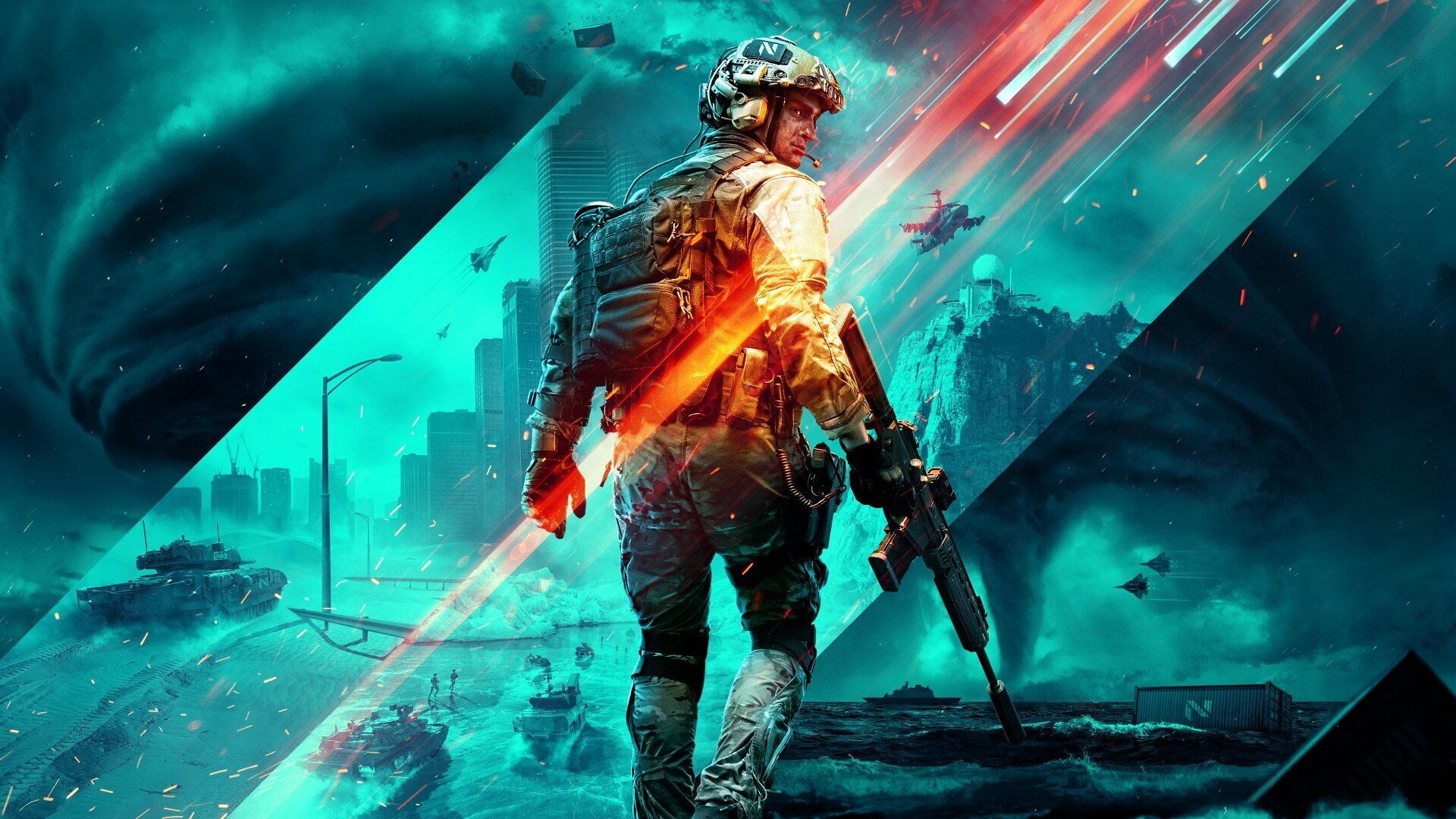
The gaming world vividly recalls the tumultuous launch of Battlefield 2042, a title that became a cautionary tale of unmet expectations and player disillusionment. Heralded as a bold evolution, its arrival was marred by a buggy, unpolished multiplayer experience and the conspicuous absence of a traditional campaign, leading to widespread disappointment. While years of post-launch updates have significantly improved the experience, 2042 remains the chapter that forced a fundamental reckoning for the storied franchise. In the wake of that launch, Electronic Arts has initiated a massive overhaul, installing new leadership and assembling a coalition of studios to forge a new path and reclaim the series' throne.
The Enduring Legacy and the 2042 Misstep
The Battlefield series has long stood as a titan of large-scale multiplayer combat, celebrated for its expansive maps, signature vehicular warfare, and game-changing environmental destruction. This pedigree established a high bar for each release, fostering a dedicated community with clear expectations. Battlefield 2042, with its "All-Out Warfare" promise, was a stark departure from this legacy.
The game's ambition—seen in its 128-player matches and dynamic weather events—was overshadowed by fundamental issues. The multiplayer experience lacked the tactical depth players cherished, and the Specialist system diluted the classic class-based teamwork that defined the series. The absence of a single-player campaign alienated a significant portion of the audience, contributing to the perception that the game, despite its scale, had lost the intrinsic spirit of Battlefield. The sentiment was clear: the core identity felt compromised.
A New Command Structure: Lessons Learned and Forged in Fire
The journey from a challenging launch to a renewed sense of purpose has profoundly reshaped the franchise's future. In a move to restore trust and creative focus, EA placed the Battlefield franchise under the stewardship of Vince Zampella, the celebrated co-creator of Call of Duty and founder of Respawn Entertainment (Titanfall, Apex Legends). This change signaled a commitment to a creator-led approach, prioritizing the core gameplay experience.
Furthering this strategic shift, EA announced that the next Battlefield is not being built by one studio, but by a collective. This multi-studio effort leverages the unique strengths of each team to create a more cohesive and complete experience. DICE remains at the heart of the multiplayer development, tasked with refining the large-scale combat that is the series' bedrock. They are now joined by Criterion Games, renowned for their work on the Need for Speed series and the slick action of Star Wars Battlefront II, who are heavily involved in crafting a narrative-driven single-player component—a direct response to one of 2042's most glaring omissions. Ripple Effect Studios, creators of 2042's lauded Portal mode, also continues to play a key role in the expanding Battlefield universe. This confederation of developers is designed to ensure that no single aspect of the game is neglected.
Redefining "The Right Feel" for a Modern Era
What constitutes "the right feel" for a Battlefield game is a complex interplay of mechanics, atmosphere, and player agency. It encompasses everything from weighty weapon handling and fluid movement to map designs that facilitate diverse tactical approaches. For many, 2042 deviated too far from these tenets.
The new multi-studio structure appears designed to recapture that feel with surgical precision. By allowing DICE to focus exclusively on the competitive multiplayer suite, the hope is for a return to the tight gunplay, strategic team dynamics, and impactful destruction the series is known for. This means a careful re-evaluation of core design philosophies, with a renewed emphasis on the classic class system and ensuring that new mechanics serve tactical depth rather than just spectacle. The return of a campaign under Criterion's direction aims to restore the immersive world-building and cinematic action that contextualizes the all-out war.
Rebuilding the Battlefield: Destruction, Maps, and Core Gameplay
This renewed focus signals a potential shift away from purely scripted, large-scale destruction events like "Levolution" toward more dynamic, player-driven destruction that enhances strategic gameplay. The goal is to create environments that react organically to the chaos of battle, creating new sightlines and cover opportunities that serve the tactical flow rather than simply providing a cinematic moment.
Furthermore, the franchise's rich history is being treated with reverence. The immense challenge of remastering classic maps—which involves far more than updating textures by re-evaluating geometry and flow for modern engines—underscores a commitment to honoring the series' legacy. This dedication, combined with a granular focus on weapon design, balance, and sound, forms the bedrock upon which the next great Battlefield experience will be built. Early looks at the new game in development, shared during player testing sessions, suggest this foundational work is already well underway.
The Broader Significance: Restoring Trust and Shaping the Future
The trajectory of the next Battlefield carries significant weight not just for EA, but for the entire industry. With an anticipated launch in late 2025, a successful release would serve as a powerful testament to the value of learning from past mistakes and prioritizing player feedback. In an era where live-service games are under intense scrutiny, this transparent, multi-studio approach could become a new blueprint for rebuilding trust between a publisher and its community. The stakes are immense, but the new leadership and clear, focused strategy have positioned the next Battlefield as a pivotal moment for the franchise—an all-out effort to reclaim its place at the forefront of the FPS genre and deliver the immersive, large-scale warfare experience players have long cherished.