
Silent Hill f Steelbook Pre-Order Fiasco Angers Fans
Last Updated: October 28, 2025
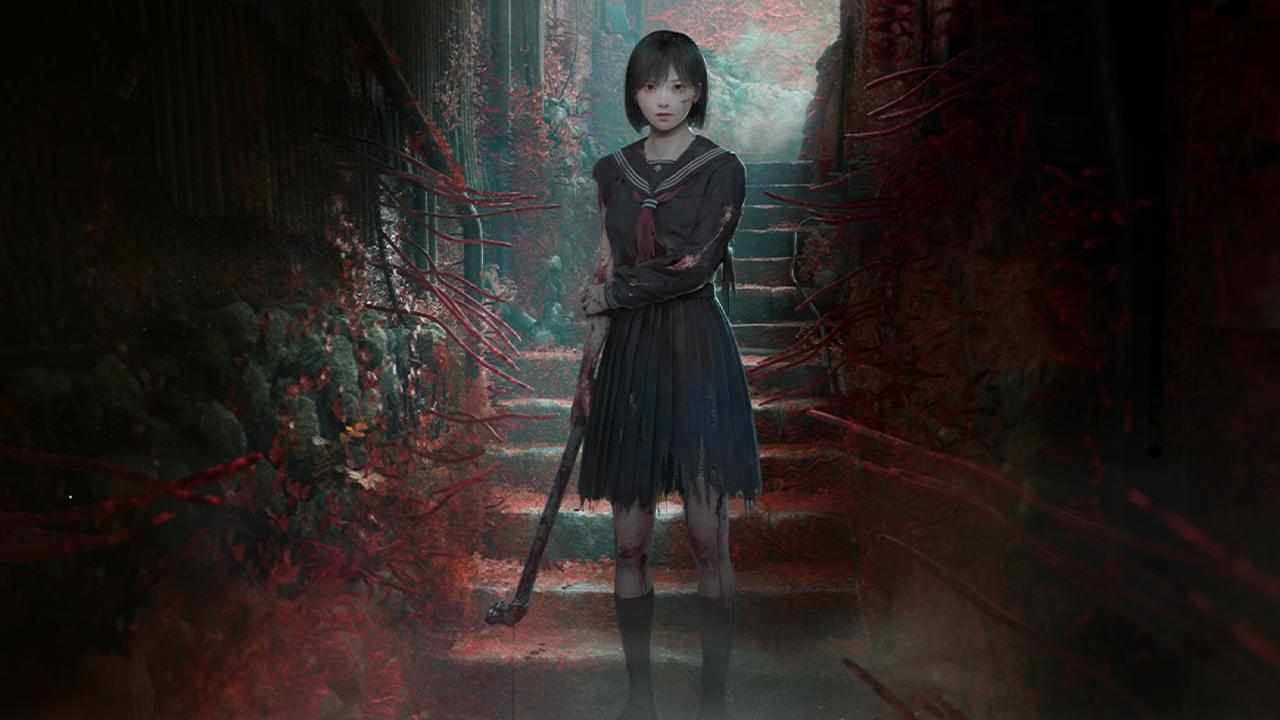
The palpable anticipation for the September 24, 2025 launch of *Silent Hill f* has curdled into widespread frustration for a significant portion of its U.S. fanbase. The excitement surrounding the long-awaited horror title from developer NeoBards Entertainment has been overshadowed by a pre-order debacle involving a coveted promotional Steelbook case. Many dedicated fans who pre-ordered the game through retailer GameStop have reported not receiving the bonus item, only to see it immediately appear on auction sites like eBay, listed by scalpers for exorbitant prices.
The fiasco has ignited a firestorm of criticism online, casting a dark cloud over an otherwise successful launch. The community is directing its anger toward perceived mismanagement by the retailer and the predatory practices of profiteers, turning a moment of celebration for the franchise's return into a case study on the pitfalls of modern pre-order culture.
A Promise Unfulfilled for Loyal Fans
For collectors and enthusiasts, pre-order bonuses are a crucial part of the purchasing decision. The promise of an exclusive Steelbook case for *Silent Hill f* was a major incentive for many to commit to an early purchase, with GameStop being the primary U.S. partner for the promotion. However, as the game launched and orders began to arrive, a growing chorus of disappointed customers emerged. Despite having secured their pre-orders months in advance, many discovered the limited-edition Steelbook was conspicuously absent.
The core of the issue appears to be a severe miscalculation in stock allocation. Fans argue that the number of Steelbooks produced and distributed to the retailer was woefully insufficient to meet the demand generated by the pre-order campaign. This left many of the most loyal customers—the very people such promotions are designed to reward—empty-handed and questioning the reliability of the system. The sense of betrayal is palpable, as players feel they upheld their end of the bargain only to be let down by a flawed and frustrating distribution process.
From Store Stock to Scalper Auctions
The community's frustration was magnified exponentially with the immediate appearance of the missing Steelbooks on third-party marketplaces. Almost in real-time, as fans began reporting their unfulfilled orders, listings for the *Silent Hill f* Steelbook started populating eBay. These were not sold by fellow gamers but by scalpers charging premium prices, often well over $100 for the case alone.
This rapid secondary market exploitation confirmed fans' worst fears: the limited supply wasn't just a misjudgment but an opportunity that was swiftly capitalized on by profiteers. This adds insult to injury, forcing loyal fans to watch as others profit from their misfortune. Not only were they denied their promised bonus, but the only way to acquire it now is to pay a scalper's ransom. The practice transforms a symbol of fan dedication into a high-priced commodity, shutting out the very community it was intended for.
Eroding a Fragile Trust
The fallout from this pre-order failure extends beyond disappointment over a missing collectible. It erodes the fragile trust between the gaming community, retailers, and publishers. When fans pre-order a game, they are investing their money and faith in a product, expecting the company to deliver on its promises. When that trust is broken, especially in a way that directly benefits scalpers, the long-term damage to a brand's reputation can be significant.
In the immediate aftermath of the launch, both the retailer and publisher Konami remained silent, fueling further speculation and anger online. While GameStop eventually issued a brief statement citing "unprecedented demand and allocation challenges," many fans found the response inadequate, as it offered no tangible solution for those who were left empty-handed. For many, this incident is a stark reminder of the risks of pre-ordering, where the most passionate supporters are often the most vulnerable. The hope within the community is that this widespread backlash will force a necessary review of how such limited-edition promotions are managed, ensuring that in the future, rewards meant for the fans actually end up in their hands.