
Silent Hill f: Lore, Theories, and Series Connections Explored
Last Updated: October 30, 2025
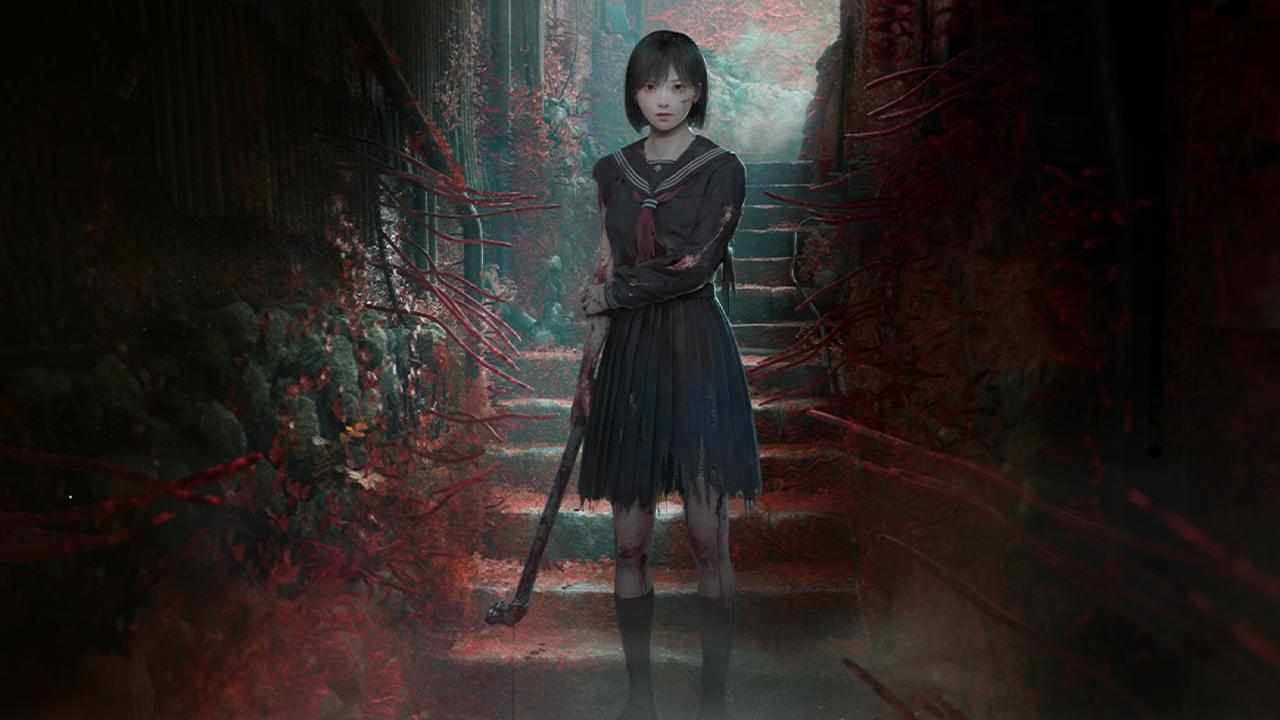
Since its stunning reveal during Konami's "Silent Hill Transmission" in 2022, Silent Hill f has remained the most enigmatic and feverishly anticipated project in the series' revival. Set in 1960s Japan, its vibrant, flower-infested aesthetic presents a stark contrast to the familiar rusty, foggy streets of its American namesake. The central question that has echoed through the community since is: What is its place within the larger Silent Hill universe?
Helmed by the acclaimed visual novel writer Ryukishi07 (Higurashi When They Cry, Umineko), with creature and character design by the artist kera and development by NeoBards Entertainment, the project promises a chilling new chapter in psychological horror. While official details remain scarce, analysis of its trailer and the creators involved allows us to piece together what this terrifying new vision entails and explore the dominant theories about its connection to the franchise's deep-seated lore.
A New Nightmare: 1960s Japan and the Crimson Blight
Silent Hill f trades the decaying industrial landscape of Maine for a serene, rural Japanese town in the Shōwa era. The reveal trailer masterfully juxtaposes this idyllic beauty with encroaching dread. We see a young woman running through streets and fields as a creeping, blood-red tendril of flesh and flowers—referred to by fans as "the flower" or "the blight"—overtakes everything it touches.
This crimson growth is the game's central horror motif. It erupts from walls, consumes buildings, and tragically, blossoms from the bodies of its victims, twisting them into grotesque, floral monstrosities. The imagery is a powerful blend of body horror and a perversion of nature, suggesting a story rooted in themes of inescapable fate, plagues, and deeply personal or communal trauma manifesting physically upon the world. The flower itself closely resembles a Lycoris radiata, the Red Spider Lily, which in Japanese culture is a flower of grim finality, associated with death, final partings, and guiding souls to the afterlife. This symbolic choice almost certainly points to the game's core narrative themes.
The "f" Mystery: What's in a Name?
The title's single appended letter has fueled endless speculation. While Konami has not given an official explanation, several compelling theories have emerged:
- Flower: This is the most popular and direct theory. The game's entire visual identity is built around the parasitic floral growth, making "Flower" a fitting, if simple, explanation.
- Forte: In music, "forte" signifies a loud or strong passage. This could symbolize a powerful, intense new direction for the franchise.
- Five: Some fans believe the 'f' could be a stylized '5', positioning the game as the fifth mainline entry after Silent Hill 4: The Room.
- Feudal: Given the traditional Japanese setting and shrine imagery in the trailer, some speculate the story could have roots in a more feudal, folklore-centric past, even if the main plot is set in the 1960s.
Unraveling the Lore: How Does 'f' Connect to the Town?
The most significant debate surrounds how a story set in Japan connects to the cursed town in the United States. While early speculation ran wild with theories of it being a direct prequel, the reality is more nuanced. Here are the leading possibilities for how Silent Hill f fits into the established canon.
Theory 1: A Thematic Successor, Not a Literal One
This theory posits that Silent Hill f is a Silent Hill game in spirit and theme only. The "power of Silent Hill"—the ability for a location to manifest a person's inner darkness into a physical "Otherworld"—may not be unique to that one American town. Silent Hill f could be depicting a completely separate, independent occurrence of this phenomenon, triggered by different local folklore, historical trauma, and supernatural catalysts unique to its Japanese setting. It would explore the same concepts of guilt and punishment without needing to directly tie into the lore of The Order, Alessa Gillespie, or the town's established history.
Theory 2: The Distant Origin Story
A more radical and popular fan theory suggests Silent Hill f is, in fact, a foundational prequel that redefines the series' lore. In this scenario, the psychoreactive flower seen in the game is the original source of the supernatural power. Proponents of this theory believe The Order, the cult from the original games, may have discovered this organism in Japan and transported it to Silent Hill, USA.
This would re-contextualize the town's power, shifting its origins from a vague Native American spiritual energy to a tangible, biological agent. The iconic White Claudia plant, a hallucinogen used in the cult's rituals, could be a cultivated or mutated variant of this more aggressive Japanese flower. While this would be a massive narrative swing that retcons established lore, it would firmly place Silent Hill f as the secret history and genesis of the entire franchise.
Theory 3: An Expanded Universe
This is a middle-ground approach. The events in Silent Hill f and the town of Silent Hill could be two of many "hotspots" in the world where the veil between reality and the psychological Otherworld is thin. The Japanese flower and the town's spiritual energy could be different "strains" of the same supernatural reality, connected by underlying metaphysical rules but not a direct chain of events. This allows Silent Hill f to be its own story while also confirming that the horror of Silent Hill is a global, not local, phenomenon.
Series producer Motoi Okamoto has called Silent Hill f a "completely new story" that will be a "new chapter" for the franchise. This carefully chosen language suggests a fresh start that respects the series' core identity, leaving its ultimate connection to the broader timeline as the terrifying mystery we are meant to solve when the game is finally in our hands.