
The Shadow of Silksong: How Delays Shape Indie Gaming's Future
Last Updated: October 22, 2025
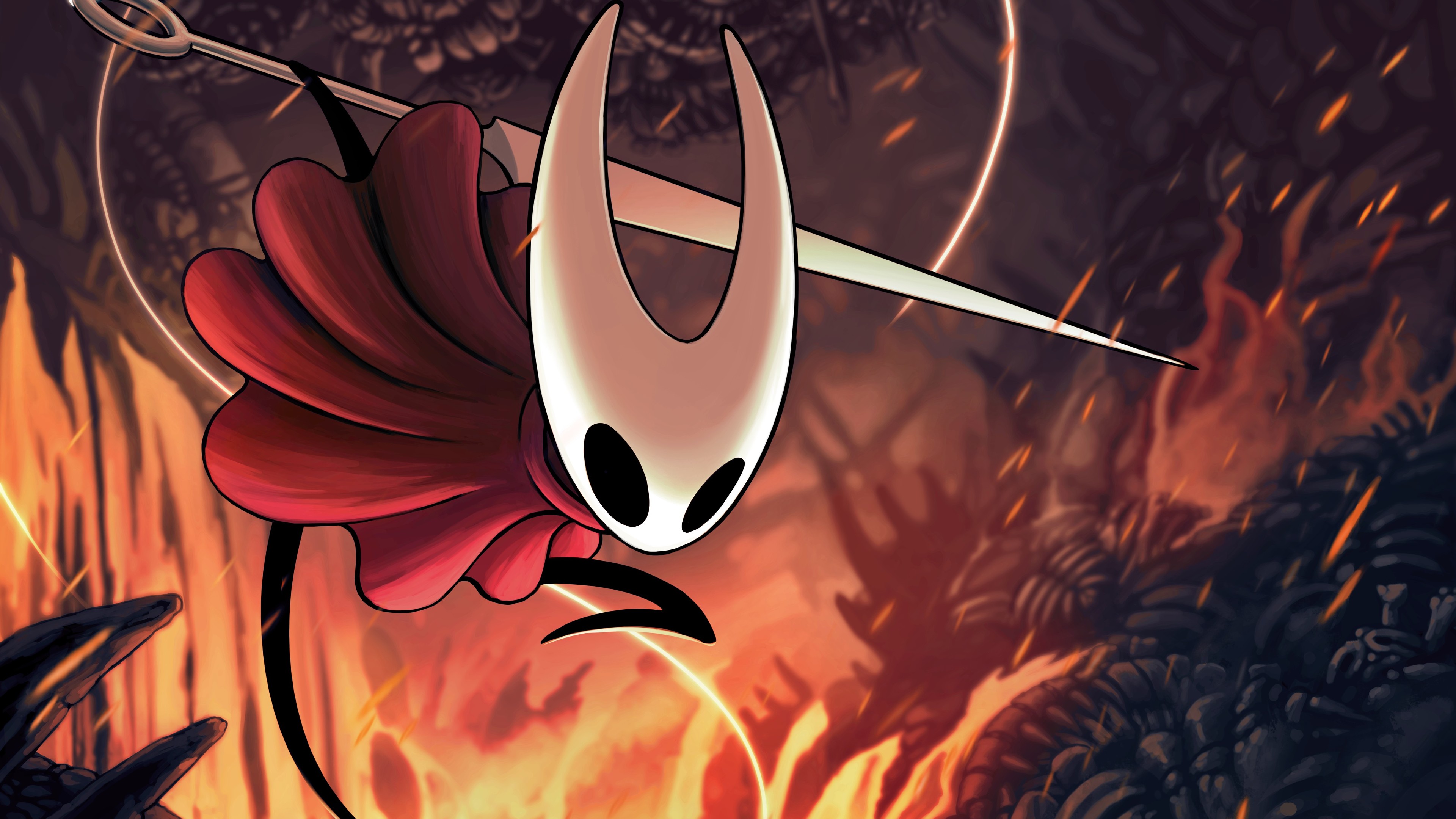
The release of Hollow Knight: Silksong has become one of the gaming industry's greatest legends—not because it happened, but because it hasn't. For years, the sequel to Team Cherry's masterpiece has existed as a phantom, a promise of greatness that casts an immense shadow over the entire independent games market. While past speculation envisioned a surprise launch that could disrupt competitors, the reality is far more complex. The prolonged anticipation for Silksong has created a unique, persistent "double-edged sword" for indie developers, influencing their release strategies, marketing, and the very perception of their games in a market waiting for a king to take its throne.
First announced in February 2019, Hollow Knight: Silksong quickly became the most wished-for game on Steam, a testament to the cultural impact of its predecessor. However, the years since have been marked by long stretches of silence from Team Cherry, fueling a cycle of fervent speculation, community memes, and mounting hype. The pressure became so palpable that in May 2023, Matthew Griffin, who handles marketing for the studio, had to publicly confirm the game was delayed beyond its initial "first half of 2023" target, stating, "We're excited by how the game is shaping up, and it's gotten quite big, so we want to take the time to make the game as good as we can."
The 'Silksong Window' and Release Strategies
This prolonged wait has created a strategic nightmare for other developers, particularly within the bustling Metroidvania genre. Launching a new title means navigating the "Silksong window"—a perilous, undefined period where Team Cherry could, at any moment, shadow-drop their game and consume all available market attention. Do you release your passion project now and risk being immediately overshadowed? Or do you delay, potentially launching directly against the most anticipated indie game of all time?
Living in the Shadow: Comparisons and Standards
This phenomenon forces even excellent games to live in the shadow of Hollow Knight. Titles like The Last Faith, Grime, and Blasphemous 2 have all launched to critical acclaim, yet inevitably face a barrage of comparisons to a game that isn't even out. The "Is it as good as Silksong might be?" question looms over every new entry, creating a daunting standard for developers to meet.
Wider Market Impact and Media Black Holes
The ripple effect extends far beyond a single genre. The launch of a cultural event like Silksong will create a media black hole, pulling oxygen from every other indie release, regardless of category. A developer like Jonathan Jacques-Belletête, creative director of the distinct action-adventure title Hell is Us, must still factor this into his team's strategy. While not a direct competitor, launching a new IP in the same window as Silksong would be a fight for any media coverage, streamer attention, and player mindshare. The sheer gravitational pull of Team Cherry's sequel threatens to monopolize the conversation, leaving little room for other ambitious projects to find their footing.
The Double-Edged Sword: A Rising Tide for Metroidvanias
However, this long shadow isn't purely oppressive. The other edge of the sword is that the massive, sustained interest in Silksong has acted as a rising tide for the entire Metroidvania genre. Hollow Knight introduced millions of players to the genre's charms, and in their hunger for more, these fans have turned to other high-quality indie titles to fill the void. The "waiting for Silksong" period has inadvertently created a more educated and eager market for games that deliver intricate world design, challenging combat, and deep exploration. In this sense, the anticipation has cultivated an audience that might otherwise have never discovered a new favorite.
Conclusion: A Paradigm Shift
Ultimately, the impact of Hollow Knight: Silksong is a fascinating case study in modern market dynamics. It is a game so powerful that its absence shapes the industry as much as its presence will. It's a source of anxiety for marketing teams and a benchmark for creators, but it's also an ambassador for a genre, elevating the entire scene through its own legendary status. The story is no longer about the hypothetical fallout of a surprise release, but the very real, ongoing challenges and opportunities created by a game that holds the world captive in anticipation. When it finally arrives, it won't just be a launch—it will be a paradigm shift that the entire indie landscape has been bracing for for years.