
Skate's Free-to-Play Future: Playtests, Mario 64 & New Physics
Last Updated: October 21, 2025
The long-awaited return of EA’s iconic skateboarding franchise, now officially titled "skate.", is no longer a distant dream. Developed by new studio Full Circle, the game is gradually emerging from the shadows through a series of ongoing playtests, giving dedicated fans their first taste of the ambitious new direction. While a full public launch remains on the horizon, early impressions and developer insights are painting a picture of a radical reimagining—one built on a free-to-play model, a brand-new city, and a physics system that’s earning surprising comparisons to the Nintendo 64 classic, Super Mario 64.
A New Foundation: Free-to-Play in San Vansterdam
One of the most significant shifts for the series is the decision to make "skate." a free-to-play, live-service title. This modern approach removes the initial price barrier, aiming to build a large, evolving community in its new open-world setting, San Vansterdam. The city is being designed as a skater's paradise, a dynamic urban playground that will grow and change over time with new content and events.
This move has been met with both excitement and cautious optimism from the community. While the accessibility of a free-to-play model is a major draw, veteran players have raised valid concerns about the potential implementation of microtransactions and how they might affect progression and expression. Full Circle has been clear in its developer diaries that the goal is to avoid pay-to-win mechanics, focusing instead on cosmetics and convenience items. The success of this model will ultimately depend on a fair and transparent economy that respects the player's time and creativity.
The "Mario 64" Effect: A New Philosophy on Physics
The most talked-about aspect emerging from the closed playtests is the game's unique approach to movement and physics. Those who have gotten their hands on early builds describe a system that prioritizes fun and expressive freedom over strict realism. Players have noted a distinct, almost "bouncy" quality to the traversal, with expanded off-board abilities like running and climbing playing a much larger role.
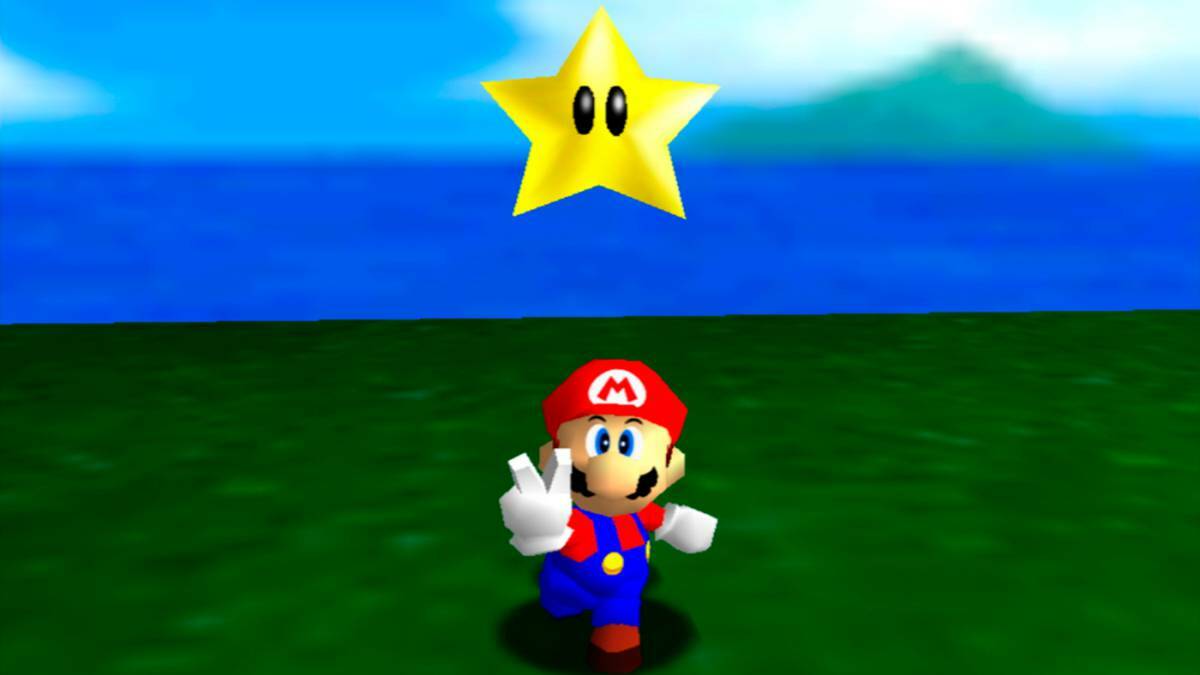
This has led to frequent and fascinating comparisons to Super Mario 64. The analogy isn't about jumping on Goombas, but about the joy of mastering a complex, physics-based movement system. Like in the classic platformer, the feel of "skate." is reportedly less about a perfect simulation and more about giving players a sandbox of tools to experiment with momentum, gravity, and the environment. This deliberate departure from the grounded feel of its predecessors allows for a more playful and emergent style of gameplay, where stringing together creative lines is the ultimate goal.
From Playtests to Launch: Managing Massive Hype
Instead of a full-blown server overload at launch, the anticipation for "skate." is being managed through these staggered, invite-only playtests on PC and, more recently, consoles. This strategy allows the developers to stress-test their infrastructure, gather crucial feedback on game mechanics, and incrementally scale up before a worldwide release. The sheer demand for access underscores the immense hype surrounding the franchise's return after more than a decade.
These tests are essential for a live-service game. They provide Full Circle with the data needed to ensure the robust server infrastructure required to handle millions of players. While this measured rollout can be frustrating for those waiting for an invitation, it is a vital step in avoiding the catastrophic launch-day server failures that have plagued many other highly anticipated online titles.
The Future is an Open-World Skatepark
The early look at "skate." reveals a project that is both a loving homage and a bold step forward. The combination of the beloved "flick-it" controls with a more experimental physics engine and a live-service framework is an ambitious gambit. The coming months will be crucial as more players are invited into the playtests and Full Circle continues to refine the experience based on community feedback. The ultimate success of "skate." will hinge on its ability to balance its free-to-play economy, deliver a stable online experience, and convince a new generation that its unique brand of physics-based fun is the future of the genre.