
Borderlands 4 PC Issues: Shader Fixes, Crashes & Optimization Guide
Last Updated: October 12, 2025
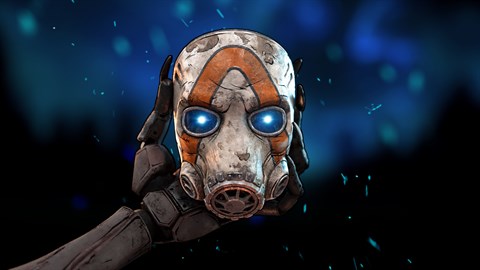
Borderlands 4's highly anticipated PC launch, which commenced globally on September 11-12, 2025, has indeed been met with immense excitement, quickly breaking Steam records for concurrent players. However, alongside this triumph, a segment of players has encountered various technical hurdles, most notably prolonged shader compilation times and unexpected game crashes. Gearbox Software, the renowned developer behind the Borderlands franchise, has swiftly acknowledged these reported problems and has begun offering official solutions on their support channels.
This comprehensive guide is designed to empower players by detailing the most common issues reported since launch and providing practical, developer-recommended troubleshooting steps. From understanding the crucial shader compilation process to clearing stubborn shader caches and optimizing your system, this article equips you with the knowledge to overcome these technical roadblocks and fully immerse yourself in the thrilling, loot-filled world of Pandora.
Understanding Shader Compilation
One of the most frequently reported issues revolves around shader compilation. Shaders are essential small programs that dictate how the game's graphics are rendered on your specific hardware. During the initial launch of Borderlands 4, the game undertakes a critical process of compiling these shaders to match your system's configuration. Gearbox Software has indicated that this initial compilation should typically complete within approximately 10 minutes. If you find this process taking significantly longer, it's a clear indicator that a deeper issue might be at play.
Troubleshooting Shader Compilation Issues
If Borderlands 4's shader compilation process is consuming an excessive amount of time, several steps can be taken to rectify the situation:
- Reboot the Game: The simplest and often most effective first step is to completely close Borderlands 4 and restart it. This can resolve temporary glitches or hung processes that might be impeding the compilation.
- Reboot Your System: If restarting the game doesn't yield results, a full system reboot is highly recommended. This ensures all background processes are reset, providing a clean and optimized environment for the game to operate within.
Clearing the Shader Cache
Should rebooting fail to resolve prolonged shader compilation, clearing the game's shader cache is a powerful next step. While the precise method may vary slightly based on your operating system and graphics card manufacturer, the general process involves:
- Locating the Shader Cache Folder: This folder is typically found within your game's installation directory or a specific location tied to your graphics driver (e.g., NVIDIA or AMD cache folders). A quick search for "Borderlands 4 shader cache location" or "NVIDIA/AMD shader cache clear" can help pinpoint the exact path for your setup.
- Deleting Contents: Once located, delete all files and subfolders within the shader cache directory.
- Relaunching Borderlands 4: After clearing the cache, launch the game again. It will then rebuild the shader cache from scratch. While this process will still take some time, it should be noticeably faster and more efficient than the initial problematic compilation.
Driver Updates and System Optimization
Maintaining up-to-date graphics drivers is paramount for achieving optimal game performance and stability. Outdated, corrupted, or incompatible drivers are a leading cause of many game-related issues, including crashes and graphical anomalies.
- Update Graphics Drivers: Before undertaking any other complex troubleshooting, ensure your graphics card drivers are current. Visit the official website of your graphics card manufacturer (NVIDIA, AMD, or Intel) to download and install the latest stable drivers specifically designed for your GPU model.
- System Optimization: Beyond drivers, a well-optimized system contributes significantly to a smoother Borderlands 4 experience.
- Close Background Applications: Minimize resource contention by closing any unnecessary applications running in the background.
- Check RAM Availability: Ensure you have sufficient free RAM. If your system is close to its capacity, consider upgrading or freeing up memory.
- Verify System Specifications: Confirm that your PC meets or ideally exceeds the minimum and recommended system requirements for Borderlands 4.
- Cautious Overclocking: While overclocking your CPU or GPU can boost performance, it should be approached with extreme caution and only if you are familiar with the process. Incorrect settings can lead to instability, crashes, or even hardware damage. Always follow manufacturer guidelines.
Additional Troubleshooting Steps
If the aforementioned solutions do not resolve your persistent issues, consider these further steps:
- Verify Game File Integrity: Utilize your game launcher (Steam, Epic Games Store, etc.) to verify the integrity of Borderlands 4's game files. This process scans for any corrupted or missing files and automatically downloads replacements, ensuring your installation is complete and intact.
- Consult Official Support and Community Forums: For persistent or unique issues, the official Borderlands 4 support website and community forums are invaluable resources. Other players may have encountered similar problems and discovered novel solutions not yet widely documented. Engaging with the community can often lead to effective and timely troubleshooting strategies.
By following these detailed troubleshooting steps, you can significantly improve your chances of resolving common Borderlands 4 PC issues and get back to enjoying Gearbox Software's latest looter-shooter adventure with minimal disruption.