
House of Necrosis: Survival Horror Roguelike - A Modern Classic
Last Updated: October 23, 2025
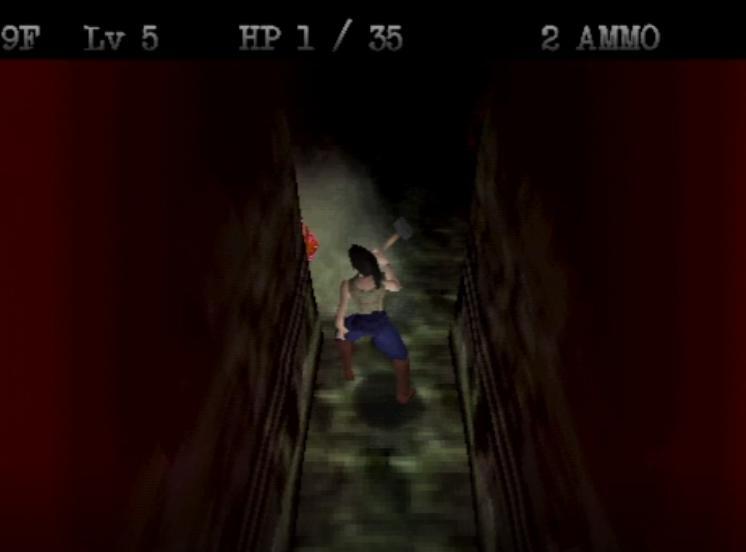
In the crowded landscape of indie games, few titles have delivered on a high-concept premise as successfully as House of Necrosis. Launched on October 6, 2025, by solo developer Warkus, the game arrived with an ambitious pitch: blend the claustrophobic dread of classic Resident Evil with the tactical, procedurally generated gameplay of a mystery dungeon.
The result was not just a clever experiment but a critically acclaimed hit, earning a "Very Positive" rating on Steam and cementing its place as a modern classic for fans of both genres.
A Genre-Bending Premise: Survival Horror Meets Roguelike
The core concept of House of Necrosis is a masterclass in fusion. It masterfully captures the golden era of survival horror, specifically invoking the aesthetic and tension of the original PlayStation Resident Evil trilogy. The game features a hub world with distinct, pre-rendered backgrounds and the signature fixed camera angles that instill a deep sense of vulnerability. Players navigate these areas with deliberate tank controls, creating a palpable tension where every blind corner feels like a threat. This hub world is steeped in gothic architecture, where a pervasive sense of isolation is driven by a narrative of uncovering dark secrets.
Where House of Necrosis brilliantly innovates is by sending players from this fixed world into the ever-changing depths of its dungeons. Here, the game sheds its real-time exploration for turn-based, roguelike mechanics. The layout of rooms, enemy placements, and item drops are all procedurally generated, ensuring that no two descents are ever the same. This design choice provides immense replayability, forcing players to adapt their strategies on the fly rather than relying on memorizing level layouts.
Turn-Based Dread: Strategic Combat in a Terrifying Labyrinth
A key element that sets House of Necrosis apart is its commitment to turn-based combat. While this might sound counterintuitive to the frantic panic of traditional survival horror, it instead transforms the tension into a cerebral, high-stakes chess match against the grotesque. With time to plan each move, players must strategically consider enemy positions, manage their limited resources, and decide the optimal moment to attack, use an item, or flee.
Every decision carries immense weight. A single miscalculation can lead to a swift and brutal end, making each encounter a tense puzzle to be solved. This system puts resource management under a microscope; conserving precious ammunition and healing items is not just a secondary goal but the core of survival. The mystery dungeon framework is layered with horror-themed challenges, including traps and unique floor effects that constantly keep players on their toes, proving that dread can be just as potent when it's strategic as when it's reactionary.
Embracing the Retro Aesthetic: A Nod to Gaming's Past
The game's "retro Resident Evil vibes" are far more than a simple nostalgic hook; they are a fundamental part of its design language. The visual style is a deliberate throwback to the PS1 era, with low-poly character models and environments that create a distinct, uncanny atmosphere. The fixed camera angles are used expertly to conceal threats and build suspense, making the environment itself a constant antagonist.
This commitment to classic aesthetics extends to the phenomenal sound design. Chilling ambient noises, sudden, guttural monster growls, and a sparse, unsettling score work in concert to create an overwhelming sense of dread. By embracing these retro elements, Warkus crafted an experience that focuses on sustained unease and psychological horror over cheap jump scares, rewarding players who appreciate deliberate pacing and thoughtful exploration.
A Triumph of Challenge and Replayability
The fusion of procedural generation with the inherent difficulty of both survival horror and roguelikes makes House of Necrosis an incredibly rewarding experience. Each foray into the mansion’s depths is a fresh challenge, preventing the game from ever feeling predictable. The turn-based combat encourages experimentation with different strategies, and overcoming the game’s punishing difficulty provides a hard-earned victory and a powerful sense of accomplishment.
The game became an indie sensation because it respected the legacies of its inspirations while boldly forging its own identity. It successfully proved that turn-based gameplay could be terrifying and that the core tenets of classic survival horror could be enhanced with the infinite possibilities of a roguelike. For any fan of atmospheric terror or deep strategic gameplay, House of Necrosis is not just a novel concept—it’s an essential, must-play title that redefined what a horror game can be.