
Valheim Call To Arms Update: Player Reactions & Evolving Mechanics
Last Updated: October 11, 2025
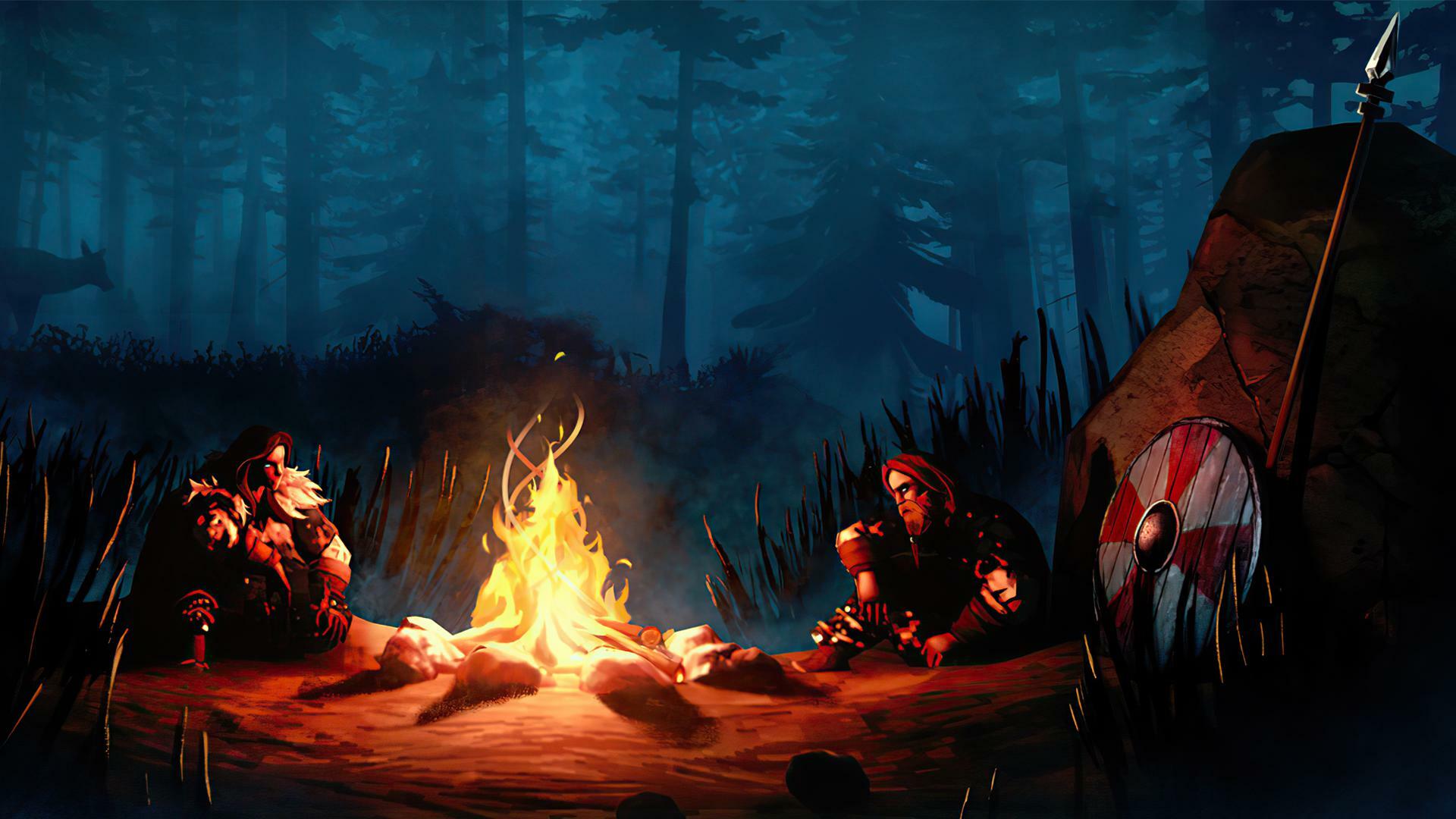
The highly anticipated "Call To Arms" update (Patch 0.221.3) for the popular Viking-themed survival game, Valheim, was officially released on September 9, 2025. This substantial expansion aimed to reinvigorate the long-standing game for its dedicated player base by introducing a significant array of new features and content. While the update brought fresh ways to engage with the world of Valheim, its introduction of new gameplay additions initially garnered a mixed reception. Early player feedback indicated a notable degree of confusion and adjustment, particularly concerning newly implemented mechanics focused on self-improvement and combat training. This article delves into the nuances of the update's reception, exploring the reasons behind player reactions and the broader implications for Valheim's evolving gameplay landscape.
Valheim's Enduring Appeal and the Promise of Expansion
Since its early access launch, Valheim has captivated millions of players with its unique blend of Norse mythology, survival mechanics, exploration, and base building. Developed by Iron Gate Studio, the game quickly established itself as a breakout success, praised for its atmospheric world, challenging combat, and rewarding progression system. Players embark on a journey through procedurally generated biomes, felling formidable bosses, gathering resources, and constructing impressive settlements, often in cooperation with friends.
The game's continued success has been bolstered by a steady stream of updates and content additions, keeping the experience fresh and engaging for its dedicated community. These updates are crucial for maintaining player interest and expanding the game's narrative and mechanical depth. The expectation for each new patch is often high, with players eager to discover what new challenges and opportunities await them in the vast wilderness of Valheim.
The "Call To Arms" Update: A Broad New Horizon
The "Call To Arms" update, officially Patch 0.221.3, represented a substantial expansion for Valheim. Described as a "large expansion," it introduced numerous new features designed to enrich the gameplay experience. Key additions highlighted in the patch notes included "plenty of ways of self-improvement," such as the introduction of wooden weapons for sparring with comrades and new built structures designed to facilitate player training and skill refinement. Beyond these core self-improvement mechanics, the update also brought new areas, fresh enemies, unique survival challenges, and additional crafting recipes to discover, further deepening the thematic elements of higher-level biomes.
For a game like Valheim, which prides itself on a foundation of exploration and discovery, such an expansion significantly altered the player's journey. It opened up new strategic options in combat, provided more depth to resource management, and introduced novel challenges that required players to adapt their established tactics. The sheer scope of the update naturally invited a wide range of player experiences and opinions as the community began to explore and integrate the new content into their established playstyles.
Community Reactions: Navigating New Mechanics
Despite the promise of new content, the "Call To Arms" update was initially met with a mixed reception from the Valheim community. While many players undoubtedly enjoyed the fresh additions, a significant segment expressed confusion and, in some cases, outright dissatisfaction with certain newly introduced gameplay mechanics, particularly those related to the new self-improvement systems. This divergence in opinion is a common occurrence in the evolution of live-service or continuously updated games, where developers strive to innovate while also catering to the expectations of a long-standing player base.
The initial "confusion and ire" reported by players often stemmed from several factors. One primary reason can be the alteration of established gameplay loops or core combat principles that players have grown accustomed to. When a game's fundamental rhythm or feel is changed, even with the best intentions, it can disrupt muscle memory and require a significant period of adjustment. For instance, the introduction of dedicated sparring mechanics, while beneficial for long-term skill progression, might have initially felt unfamiliar or unnecessary to players accustomed to learning combat through direct engagement with enemies.
Furthermore, the perceived balance of new systems against existing ones can also be a point of contention. If new mechanics feel either underpowered, overpowered, or simply out of place within the game's established framework, they can detract from the overall experience rather than enhance it. This feedback is crucial for developers as they continue to refine and balance the game post-launch.
Reframing the Discussion: Self-Improvement and Sparring
While early discussions among players also highlighted a potential "Adrenaline System" as a point of contention, the primary focus of the "Call To Arms" update, as detailed in official communications, revolved around the concrete additions of wooden weapons for sparring and built structures for self-improvement. These mechanics aimed to provide players with dedicated ways to practice combat, refine their skills, and potentially even train specific weapon proficiencies without the immediate risk of death.
- Integration with existing progression: If the benefits of sparring weren't immediately apparent or felt disconnected from the main progression path, players might have questioned their utility.
- Clarity of mechanics: A lack of clear in-game explanations or an intuitive understanding of how these training systems worked could have led to confusion about how to effectively utilize them.
- Pacing and necessity: Some players might have felt that dedicated training mechanics disrupted the natural flow of exploration and combat, preferring to learn through direct experience rather than structured practice.
- Perceived grind: If the training felt like an additional, mandatory grind rather than an optional enhancement, it could generate negative feedback.
Conversely, for other players, such systems introduced a welcome layer of complexity and strategic depth, rewarding skillful play and offering new avenues for character development or combat optimization. The subjective nature of gameplay preferences means that what one player finds frustrating, another might find engaging and a valuable addition to their Viking journey.
Balancing Innovation and Player Expectations
The challenge for game developers, especially those managing a popular title like Valheim, lies in balancing the desire for innovation with the expectations of their existing player base. Large expansions are often developed with the goal of expanding the game's longevity and attracting new players, which sometimes necessitates significant changes to core mechanics. However, long-time players often have a deep attachment to the game's original feel and established systems.
Introducing new systems like the sparring and self-improvement mechanics requires careful consideration of how they integrate with the existing game world. Developers typically aim to enhance the experience without alienating the core audience. The feedback generated by updates like "Call To Arms" serves as a vital input for the ongoing development process. It highlights areas where new mechanics might need further explanation, refinement, or even re-evaluation to better align with player experience and the game's overall design philosophy.
Ultimately, the ongoing dialogue between the development team and the player community is a crucial component of a game's evolution. While initial reactions to "Call To Arms" may have been mixed, the iterative nature of game development allows for adjustments and improvements based on this feedback. The update, with its new features and the resulting community discussions, marked another significant chapter in Valheim's journey, illustrating the dynamic interplay between creative vision and player reception in the world of continuously updated gaming experiences.