
Ready or Not School Shooting Level Controversy & Publisher Split
Last Updated: October 20, 2025
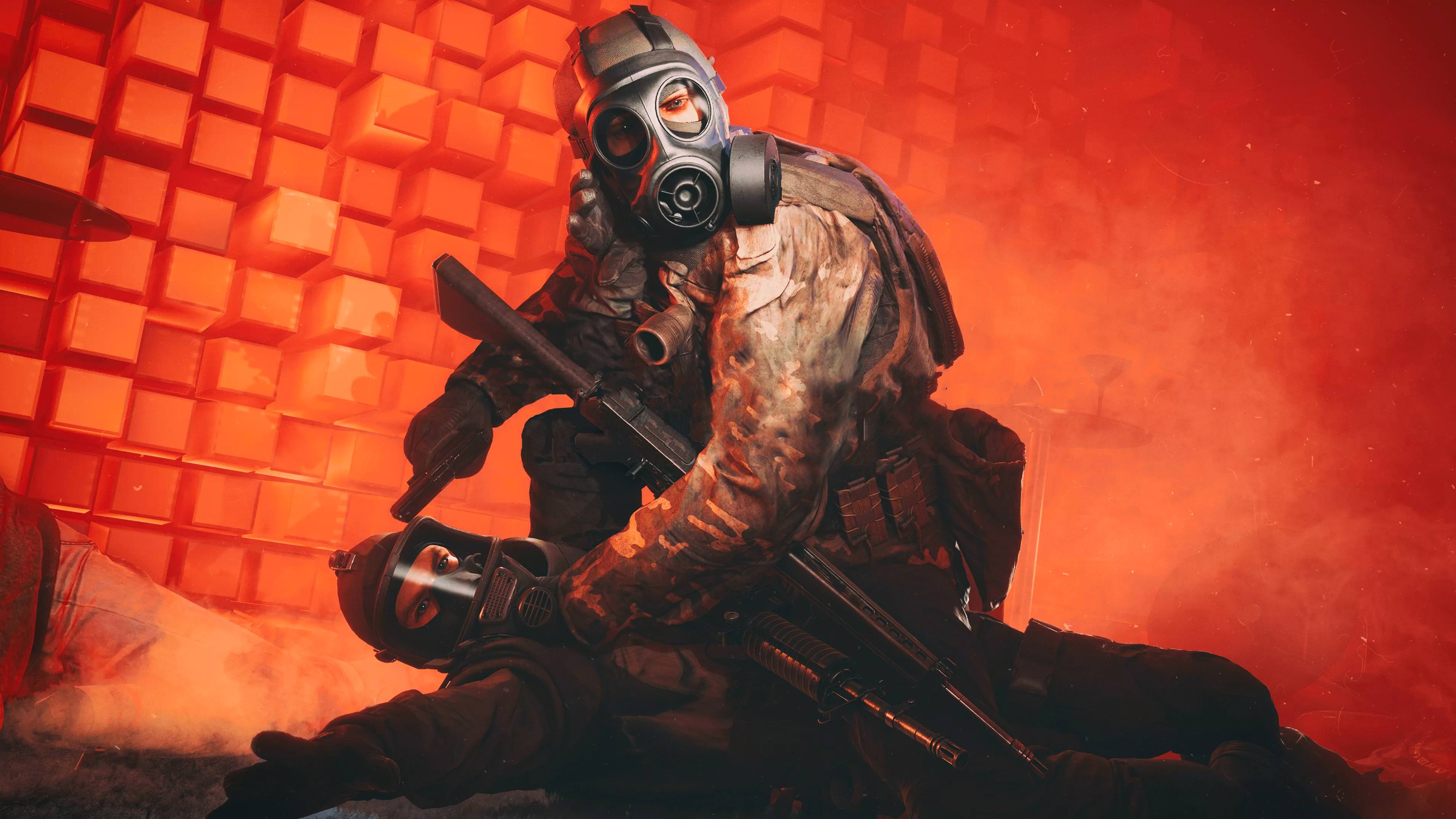
Void Interactive, the independent studio behind the tactical shooter Ready Or Not, found itself at the center of a major industry controversy that culminated in the developer parting ways with its publisher, Team17, just days before the game's Early Access launch. The flashpoint was a developer's response on the game's official Discord server, confirming plans for a mission set within a school—a topic of immense sensitivity and debate.
The Incident and The Fallout
The controversy began when a user on the Ready Or Not Discord channel asked if the game would include a school shooting mission in its roster of realistic tactical scenarios. A developer from Void Interactive responded with a short, affirmative comment: "You better believe it's gonna."
This seemingly casual confirmation spread rapidly across social media and gaming news outlets, igniting a firestorm of debate. While some players argued for the inclusion of such a level as part of the game's commitment to gritty realism, many others expressed concern and condemnation, viewing the topic as too sensitive and potentially exploitative for a video game.
The immediate and most significant consequence was the dissolution of the partnership between Void Interactive and its publisher, Team17. Just one day after the developer's comment went public, the two companies announced they had "mutually agreed" to part ways. While neither party explicitly cited the controversy as the sole reason, the timing was unmistakable. Void Interactive promptly released a statement clarifying its position, asserting its commitment to its vision and promising to handle all in-game content with the "level of weight and respect that it warrants." The studio stressed its dedication to portraying an "unflinching look at the dark and uncomfortable realities law enforcement faces."
The Burden of Developer Communication
This incident serves as a stark reminder of the critical role developer and community manager communication plays in today's gaming landscape. These individuals act as a crucial bridge between the studio and its player base, shaping public perception and managing expectations. In the age of instant communication via platforms like Discord and Twitter, every comment from an official representative carries significant weight and can directly impact a game's reputation, partnerships, and player loyalty.
The lines between a developer's casual interaction and a formal company announcement can easily blur. For individuals officially representing a studio, maintaining a professional and considerate tone is paramount, especially when discussing sensitive content. A single off-the-cuff remark can be stripped of its original context, leading to boycotts, alienating potential players, and, as seen in this case, dissolving major business partnerships.
Void Interactive's Unwavering Stance
In the wake of the publisher split, Void Interactive stood firm. The studio's public statements underscored a core principle: a commitment to delivering a realistic tactical experience, even if it means exploring disturbing scenarios. For a game like Ready Or Not, which simulates the high-stakes operations of a SWAT team dealing with everything from hostage situations to bomb threats, this dedication to realism is a key selling point.
Games with mature themes that touch upon real-world tragedies inherently attract diverse viewpoints and can become focal points for intense debate. In these contexts, developers must act as steadying forces, ensuring their communication frames the content respectfully and constructively. Void Interactive's response, while reaffirming its creative direction, also acknowledged the need for care and respect, demonstrating an understanding of the delicate balance required when tackling such subject matter. The studio later launched the game into Early Access independently, where it achieved massive commercial success, suggesting its target audience ultimately supported its vision.
Broader Implications for the Gaming Industry
The Ready Or Not controversy highlights a recurring and complex challenge for the broader gaming industry: how to responsibly depict sensitive, real-world events. It raises critical questions about the line between authentic representation and gratuitous exploitation. The incident also showcases the immense power of community feedback and the swift, decisive action that can result from a single social media interaction.
Furthermore, the split between Void Interactive and Team17 serves as a cautionary tale about the often-fragile relationship between independent developers and publishers, especially when a game's content pushes creative or social boundaries. Ultimately, Void Interactive's decision to proceed independently and its subsequent success reinforces an evolving standard in the industry—that a clear vision, communicated carefully and backed by a quality product, can find its audience, even in the face of significant controversy.