
Black Ops 6 Game Pass: Record Launch, Trade-Offs, and Future Impact
Last Updated: November 6, 2025
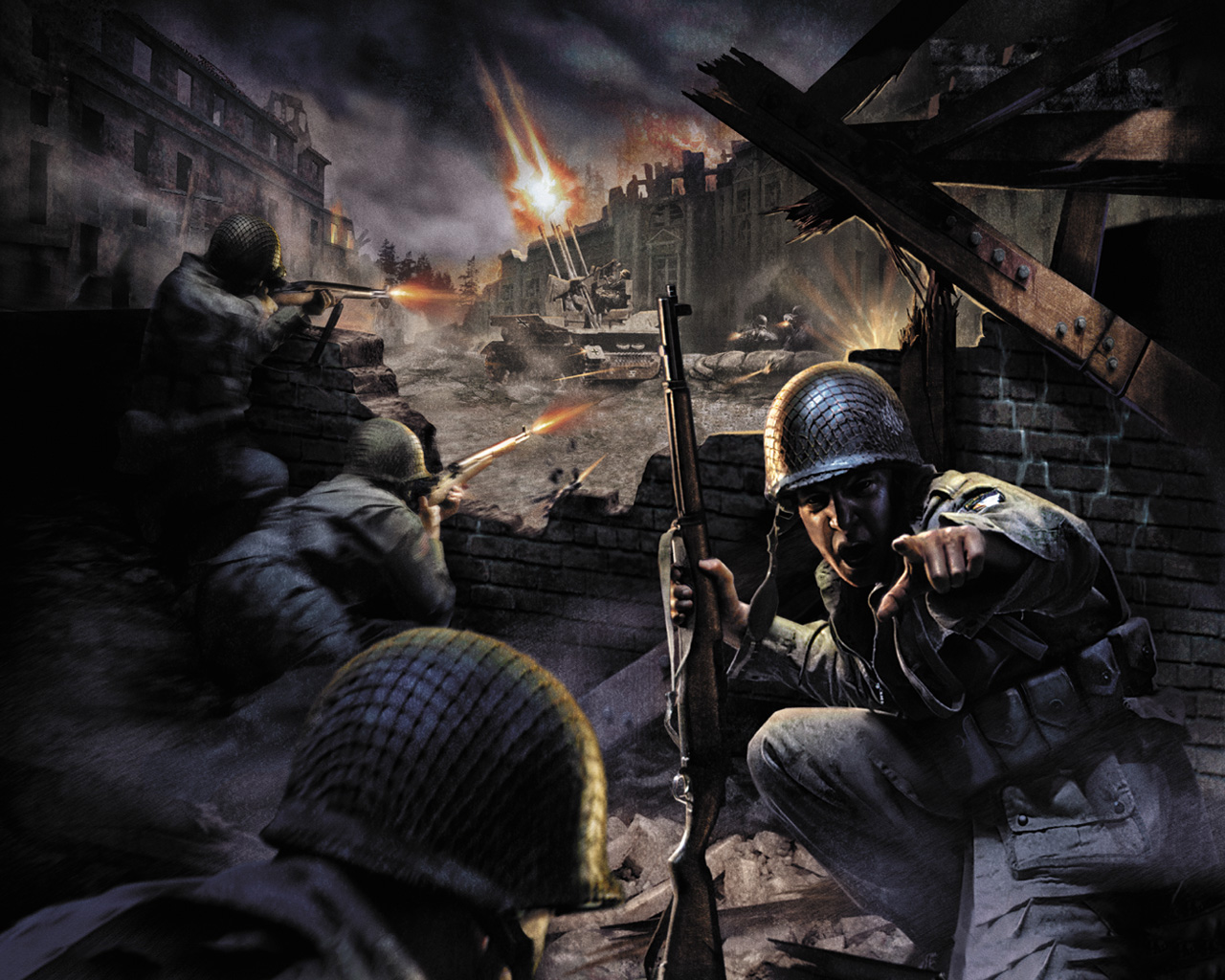
Call of Duty: Black Ops 6 has officially dominated the sales charts, capping a monumental year for Microsoft and its biggest gaming franchise. The title was crowned the best-selling game of November 2024 in the United States and secured its place as the second best-selling game of the entire year. Yet, this historic success comes with a revolutionary caveat. The decision by Microsoft to launch the blockbuster day-one on its Xbox Game Pass subscription service marked the most significant strategic pivot in the franchise's history, fundamentally changing how its success is measured.
While the move provided unprecedented value to subscribers and led to what Microsoft CEO Satya Nadella called a "great launch," it also sparked intense debate. The core of the discussion revolves around the massive trade-off: forgoing potentially hundreds of millions of dollars in direct, full-price game sales on the Xbox platform in exchange for a massive injection of subscribers and engagement for Game Pass. The performance of Black Ops 6 is the first definitive data point in Microsoft's high-stakes vision for the future of its gaming empire.
A Historic Success with a New Blueprint
By nearly every metric, Call of Duty: Black Ops 6 was a colossal triumph. The game enjoyed the biggest launch month in Call of Duty history, a staggering achievement for a nearly two-decade-old franchise. It immediately topped the sales charts in its launch month of November and finished 2024 as the #2 overall best-selling title, proving the brand's power remains undiminished. Developer Treyarch delivered a product that resonated deeply with the community, setting a new high-water mark for player engagement at launch.
However, behind these celebratory headlines, the financial picture is more complex than ever. The game's success was achieved while simultaneously being available at no extra cost to tens of millions of Game Pass subscribers on Xbox and PC. This fundamentally alters the revenue stream. Analysts and industry veterans spent months debating the potential cost of this strategy, with many projecting that the loss in direct $70 sales on the Xbox platform could easily run into the hundreds of millions of dollars. This figure isn't a measure of failure, but a calculated investment in a different business model—one that prioritizes long-term subscription revenue over immediate unit sales.
Microsoft's High-Stakes Game Pass Gamble Realized
The decision to place Black Ops 6 on Game Pass was the most definitive move Microsoft has made since its acquisition of Activision Blizzard. It was a clear statement of intent: to leverage the single biggest third-party franchise in gaming to create an unassailable content library for its subscription service. The goal is to build an ecosystem so compelling that a Game Pass subscription becomes essential for any serious gamer.
From that perspective, the forgone sales revenue is a massive marketing and user acquisition cost. Key considerations for Microsoft's leadership have now shifted from theory to practice:
- Subscriber Growth: How many new and returning users subscribed to Game Pass specifically for Black Ops 6? Early indicators and analyst predictions suggested this number would be in the millions.
- Player Retention: How many of these new subscribers will remain active in the months following the game's launch, drawn in by the wider catalog?
- Ecosystem Lock-in: Offering Call of Duty on Game Pass makes the Xbox ecosystem dramatically more "sticky," creating a powerful financial disincentive for players to leave for competing platforms where they would have to buy the game outright.
This strategy was also bolstered by adjustments to the Game Pass model, including earlier price adjustments designed to increase the average revenue per user (ARPU). Microsoft is betting that the long-term, predictable revenue from a larger, more stable subscriber base will ultimately be more valuable than the volatile, hit-driven revenue of traditional game sales.
A Paradigm Shift for Players and the Industry
For players, the value proposition was undeniable. Xbox and PC gamers with a Game Pass subscription received immediate access to 2024's most anticipated title, fundamentally shifting consumer expectations. The era of Call of Duty being a mandatory annual $70 purchase for millions of players is over, at least on the Xbox platform.
This move has sent shockwaves through the rest of the industry. Other major publishers are studying the performance of Black Ops 6 intently. The results validate both the potential rewards and the inherent risks of day-one subscription launches. It confirms that such a move can devalue a premium AAA title in terms of direct sales, forcing a greater reliance on in-game monetization and long-term service revenue. This may cause third-party publishers to become more cautious or demand significantly higher fees from platform holders like Microsoft and Sony to compensate for lost retail revenue.
The Future of Call of Duty is the Future of Game Pass
The launch of Black Ops 6 was a watershed moment. It proved that a game can simultaneously shatter franchise engagement records while undergoing a radical business model transformation. The path forward for Microsoft and the Call of Duty franchise is now clear. Reversing course on future installments seems unthinkable, as it would severely damage the perceived value of Game Pass.
The long-term success of this strategy now hinges on Microsoft's ability to retain the massive influx of new subscribers and to effectively monetize the player base within the game itself. Microtransactions, Battle Passes, and cosmetic bundles are now more critical than ever to the franchise's financial health on Xbox. The debate is no longer about the initial cost of lost sales, but about the total lifetime value of a Call of Duty player within the Game Pass ecosystem. Ultimately, the story of Black Ops 6 is the story of an industry in transition, where the line between a product and a service has been permanently blurred.