
Black Ops 6 on Game Pass: Challenging $70 Price Tag
Last Updated: November 7, 2025
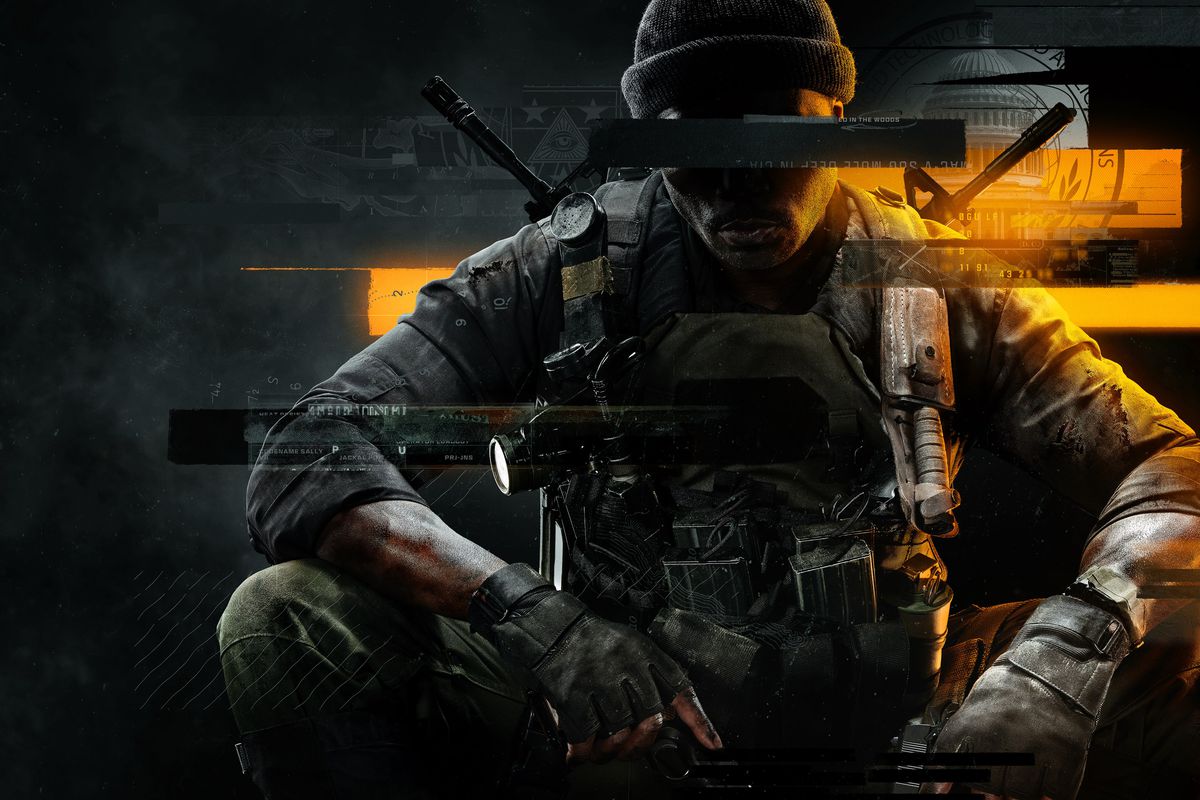
The long-standing rivalry between gaming's biggest first-person shooter franchises has entered a new, revolutionary phase. With the launch of Call of Duty: Black Ops 6, Microsoft and Activision have deployed a strategy far more disruptive than a simple free trial: a day-one launch on Xbox Game Pass.
This unprecedented move for the multi-billion-dollar franchise shifts the entire battleground. Instead of taking direct aim at a competitor's launch week, Activision is challenging the very foundation of AAA game sales, forcing shooter fans and the industry at large to reconsider the value of a $70 purchase. The battle for FPS supremacy this holiday season is no longer just about who has the better game, but who has the better deal—and this move has made the competition for players' wallets more intense than ever before.
A Paradigm Shift for Call of Duty: Day One on a Subscription Service
For nearly two decades, Call of Duty has been the undisputed king of premium game sales, a reliable annual blockbuster that tops charts and generates massive revenue through full-price purchases. The decision to place Black Ops 6 on Game Pass from its first day of availability represents a complete rewrite of this winning formula. Historically, any "free" access to Call of Duty was a carefully curated, limited-time affair—a slice of multiplayer or a brief demo. Never before has the entire, brand-new AAA package been available at launch as part of a subscription.
This offer represents a monumental and confident play by Microsoft, leveraging its most powerful gaming IP as the ultimate value proposition for Game Pass. The benefits for subscribers are immense and immediate:
- Full Game Access: Subscribers get the complete Black Ops 6 experience—the full cinematic campaign, the entire multiplayer suite, and the fan-favorite round-based Zombies mode—without an additional purchase.
- Omnimovement and Innovation: Players can experience the game's groundbreaking "Omnimovement" system, allowing for fluid, 360-degree motion, as part of their existing subscription.
- No Barriers to Entry: This immediately removes the $70 price barrier that might deter casual players or those on the fence, potentially creating the largest launch-day player base in Call of Duty history.
By placing its crown jewel on Game Pass, Microsoft is betting that the influx of new subscribers and the strengthening of its ecosystem will outweigh any potential loss in direct game sales. It’s a strategy designed to hook millions of players into the Game Pass service and retain them with one of the most replayable and popular franchises on the planet.
A Strategic Strike Against the Entire Market
The timing and nature of this move are no coincidence. It is a classic, hardball business tactic designed to disrupt the entire market and exert maximum pressure on competitors, most notably Sony's PlayStation. A game's launch period is paramount for driving sales, and Microsoft has deployed its biggest asset to fundamentally change the purchasing decision for a massive cross-section of gamers.
This maneuver forces a difficult choice upon the core FPS audience, especially those who own multiple platforms. Players who might have defaulted to buying Call of Duty on PlayStation are now faced with a compelling alternative: pay $70 for the game on one platform, or access it through a Game Pass subscription on Xbox or PC. This could lead to a significant shift in the player base, a split in the online conversation, and an undeniable blow to the sales momentum of all other full-price games releasing in the same window. It’s an aggressive move that redefines the "console wars," demonstrating that the rivalry is now fought over subscription value as much as exclusive titles. Microsoft is not content to simply coexist; it is actively working to dominate the market by making its platform the most economically sensible choice for playing the world's biggest games.
What This Means for Players and the Industry
For players, this escalating war for value is an undeniable win. The ability to play a brand-new, AAA blockbuster on day one as part of a monthly subscription is a game-changer. It provides immense value, reduces player risk, and makes the hobby more accessible. This intense competition is forcing publishers to rethink their pricing and delivery models, and the consumer is the primary beneficiary.
For Sony and other publishers, however, this presents a formidable challenge. They must now compete in an environment where their biggest third-party sales driver is being given away as part of a rival's subscription. Their marketing must work overtime to justify the full price of admission for their own titles when such a compelling alternative exists. It will undoubtedly impact sales figures and test the loyalty of their user base.
From an industry perspective, this is a landmark moment. The success or failure of Black Ops 6 on Game Pass will be scrutinized for years to come. Will it cannibalize premium sales to a detrimental degree, or will it prove that subscriptions are the future for AAA distribution? This move blurs the lines between premium ownership and subscription access, potentially reshaping how all major companies approach their blockbuster releases.
The First-Person Shooter Landscape Has Been Redefined
Microsoft's decision to launch Black Ops 6 on Game Pass is more than just a promotion; it's a declaration of intent. It's a confident, aggressive, and calculated move designed to assert dominance not just in the shooter market, but across the entire gaming industry. By breaking a two-decade-long tradition, Microsoft is leveraging its most valuable asset to directly challenge the established business model of its biggest rivals.
The coming months will be a critical period. All eyes will be on the Game Pass subscription numbers, the direct sales data for Black Ops 6 on all platforms, and Sony’s strategic response. One thing is certain: the battle for the top of the gaming world is no longer just about exclusives and hardware—it's about the ecosystem, and Microsoft just fired its most powerful shot yet.