
Call of Duty Vanguard Beta Extension: A 2021 FPS War Tactic
Last Updated: November 6, 2025
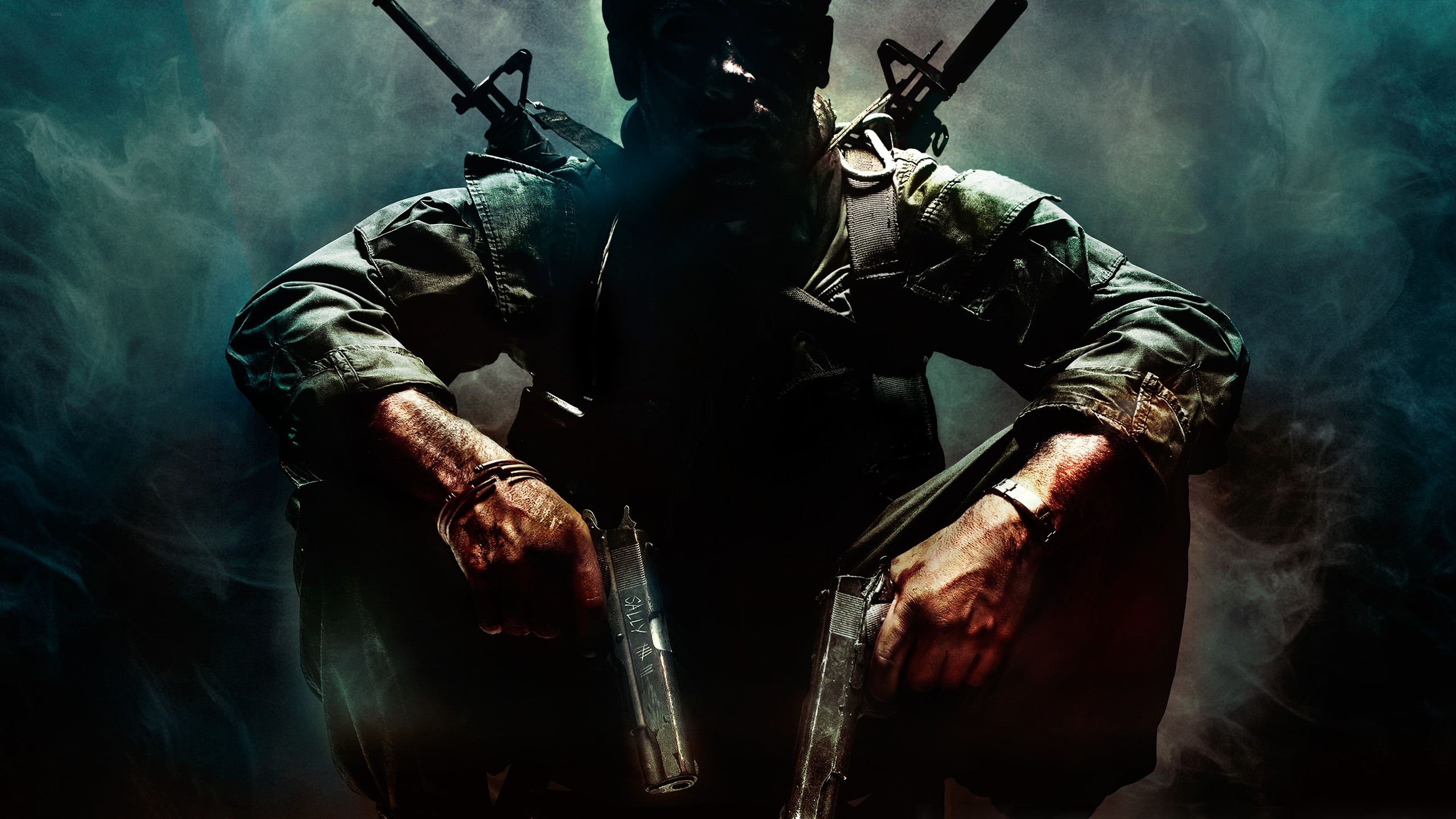
In the relentless battle for dominance in the first-person shooter genre, timing is everything. A move that seemed like a minor schedule adjustment can, in hindsight, be seen as a calculated maneuver in the long-running rivalry between gaming's two titans. Such was the case in September 2021, when Activision extended the open beta for *Call of Duty: Vanguard*, a decision that sent ripples through the community and aimed squarely at its approaching competitor, EA's *Battlefield 2042*. What was once breaking news is now a key case study in the strategic warfare that defines AAA game launches.
This was far more than a simple server test; it was a power play. By extending the free-to-play beta, Activision kept the Call of Duty community actively engaged just as the marketing machine for *Battlefield 2042*'s own highly anticipated beta was set to kick into high gear in early October. This tactical decision ensured *Vanguard* remained the central topic of conversation, effectively attempting to crowd the airspace and blunt the pre-launch hype for its rival. It was a classic move, forcing a portion of the shared FPS audience to decide where to focus their attention at a critical moment.
The Extended Battleground
For players deep in the trenches of the *Vanguard* beta, the news was a welcome surprise. The extension provided an additional 48 hours to grind levels, test weapon builds, and master the new maps and Champion Hill mode. The beta, developed primarily by Sledgehammer Games, was now set to run longer across all platforms, pushing its conclusion to September 22.
The key details of this historical move were:
- Original End Date: September 20, 2021
- New End Date: September 22, 2021
- Extension Duration: 48 hours
- Strategic Timing: Preceded the *Battlefield 2042* Open Beta (early October 2021)
While Activision's official reasoning centered on player feedback and stress-testing infrastructure, the strategic implications were undeniable. An extra two days provided a massive amount of data on weapon balance, spawn logic, and netcode performance. However, in the high-stakes world of modern gaming, this extension landed with the force of a precision airstrike on EA's marketing schedule.
A Calculated Move in the Annual FPS War
The annual clash between Call of Duty and Battlefield has always been a cornerstone of the gaming calendar, and this was a prime example of the tactical maneuvering involved. Extending the beta served multiple strategic purposes for Activision.
First, it was a battle for player mindshare. Keeping *Vanguard* free and at the forefront of the conversation minimized the window for *Battlefield 2042* to build uncontested hype. A player invested in a CoD progression grind was less likely to be watching Battlefield trailers or discussing its upcoming features.
Second, the extension became a news story in itself, generating social media engagement and articles that kept "Call of Duty" trending. It was a cost-effective way to dominate the news cycle.
Finally, it was a show of confidence. Activision was effectively communicating that they wanted their game in players' hands for as long as possible, suggesting a strong belief in their product's ability to retain an audience, even with its biggest competitor just over the horizon.
The Aftermath: A War with No Clear Victor
From the perspective of EA and DICE, this move was a clear attempt to disrupt their launch cadence. A game's pre-launch beta is critical for building momentum, and the *Vanguard* beta extension was designed to directly sap energy from that process.
However, hindsight shows that this strategic jab was only a prelude to a far more complicated story. When the *Battlefield 2042* beta arrived in October, it was plagued by significant bugs, performance issues, and controversial design choices like the introduction of Specialists. The community's reaction was mixed to negative, creating a cloud of concern that Activision's beta extension could never have manufactured on its own.
Ultimately, the great FPS war of 2021 ended in a stalemate, with both franchises suffering setbacks. *Call of Duty: Vanguard* launched to mixed reviews and became one of the lower-selling titles in the franchise's modern history. Meanwhile, *Battlefield 2042* endured a catastrophic launch, becoming one of the worst-reviewed games on Steam and requiring years of post-launch work from DICE to win back its alienated fanbase.
The extension of the *Vanguard* beta remains a fascinating example of the strategic gamesmanship between publishers. It was the opening shot in a battle for the holiday season. But the outcome serves as a stark reminder that while marketing tactics can influence the narrative, they cannot overcome the reality of the final product. The battle for 2021 wasn't won by a clever schedule change, but was instead defined by the flawed games both titans ultimately delivered.