
Palworld: Yoshiki Okamoto's Critique Sparks Plagiarism Debate
Last Updated: November 1, 2025
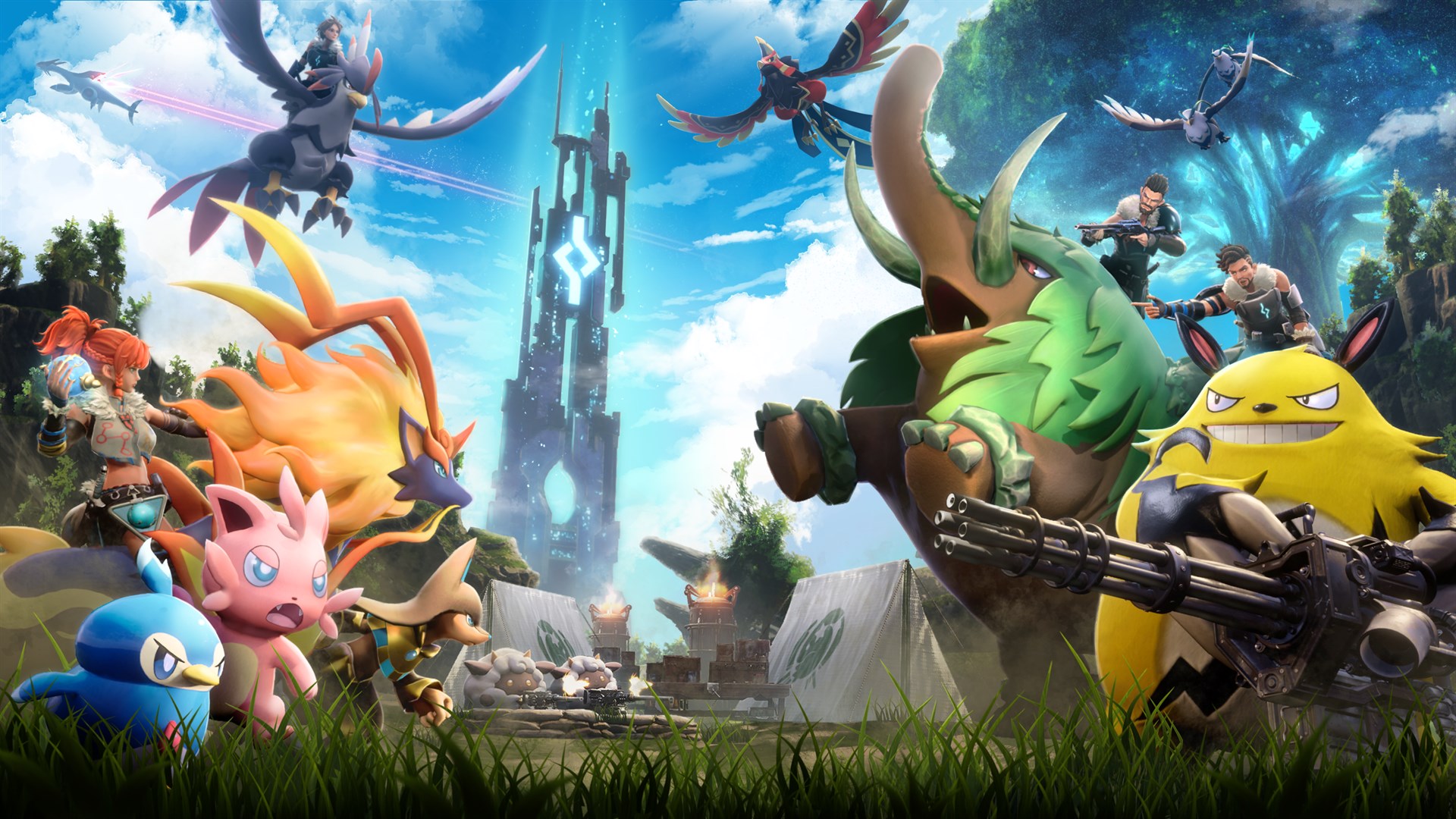
The discourse surrounding Pocketpair's breakout phenomenon, Palworld, was already a raging inferno of debate when Yoshiki Okamoto, a legendary former Capcom designer, added a significant dose of fuel. In a YouTube video published shortly after the game's record-shattering launch, the industry veteran, renowned for his work on iconic franchises like Street Fighter II and Resident Evil, declared that he believed Palworld had "crossed a line that should not be crossed," a sentiment that triggered a fierce backlash from the Japanese gaming community and foreshadowed the legal storm to come.
A Veteran's Controversial Verdict
The debate over Palworld's striking similarities to Nintendo's Pokémon franchise dominated industry conversations from its January 2024 release. As players flocked to the game, pushing it to over 25 million sales in its first month, side-by-side comparisons of Pal and Pokémon designs fueled accusations of plagiarism online. Adding a weighty industry voice to the conversation, Yoshiki Okamoto shared his blunt assessment. During a video on his YouTube channel, Okamoto didn't mince words, expressing his belief that the game's creation went beyond mere inspiration. "I think this is an out," he stated, a Japanese term suggesting the developers knowingly skirted rules. He concluded with the powerful assertion that the game has "crossed a line that should not be crossed," implying a serious breach of creative ethics.
The Community's Fiery Rebuttal
Ordinarily, a respected veteran of Okamoto's stature weighing in on an industry issue would carry immense weight. However, the immediate reaction to his comments was not one of agreement but of widespread criticism. Japanese viewers flooded comment sections and social media, largely defending Pocketpair and taking issue with Okamoto's perspective. Many argued that while the influences are undeniable, calling it a blatant copy that crossed a fundamental line was an unfair characterization. The public response highlighted a growing sentiment that the 'monster-taming' genre is large enough for multiple interpretations and that Pocketpair's unique blend of survival-crafting and shooter mechanics with creature collection was a legitimate and exciting evolution of the formula. The backlash revealed a clear disconnect between the views of some established industry figures and a modern player base more receptive to genre-blending innovation.
From Investigation to Litigation
Okamoto's comments did not exist in a vacuum. They echoed the core concerns that led The Pokémon Company to release a formal statement in late January 2024, just as the debate peaked. The company acknowledged the inquiries regarding "another company’s game" and confirmed they "intend to investigate and take appropriate measures to address any acts that infringe on intellectual property rights related to the Pokémon." For months, this threat of legal action from one of gaming's most powerful entities hung over Pocketpair's unprecedented success.
The situation escalated dramatically in September 2024, when Nintendo and The Pokémon Company moved beyond investigation and officially filed a patent infringement lawsuit against Pocketpair. The lawsuit brought the long-simmering conflict to a head, transitioning the debate from social media to the courtroom. In response, Pocketpair issued a statement expressing that it was unaware of any infringement on the intellectual property of other companies. In hindsight, Okamoto's statement served as an early indicator of the serious view taken by industry insiders, a perspective that ultimately manifested in formal legal action.
A Defining Moment for a Genre
The controversy ignited by Yoshiki Okamoto's remarks was a microcosm of the entire Palworld phenomenon, encapsulating the tension between creative inspiration, corporate intellectual property, and the evolving tastes of the gaming public. While veterans like Okamoto saw a line being crossed, a massive global audience saw a boundary being pushed in a compelling new direction. As Pocketpair continues to develop its title under the shadow of a major lawsuit, the industry watches closely. The outcome of this legal and cultural saga, which began with passionate debates among players and creators, will have lasting implications for how games are developed, how genres evolve, and where the line between tribute and trespass is truly drawn.