
Call of Duty's Chat Filter Bug Censored Rival Shooter Tarkov
Last Updated: November 6, 2025
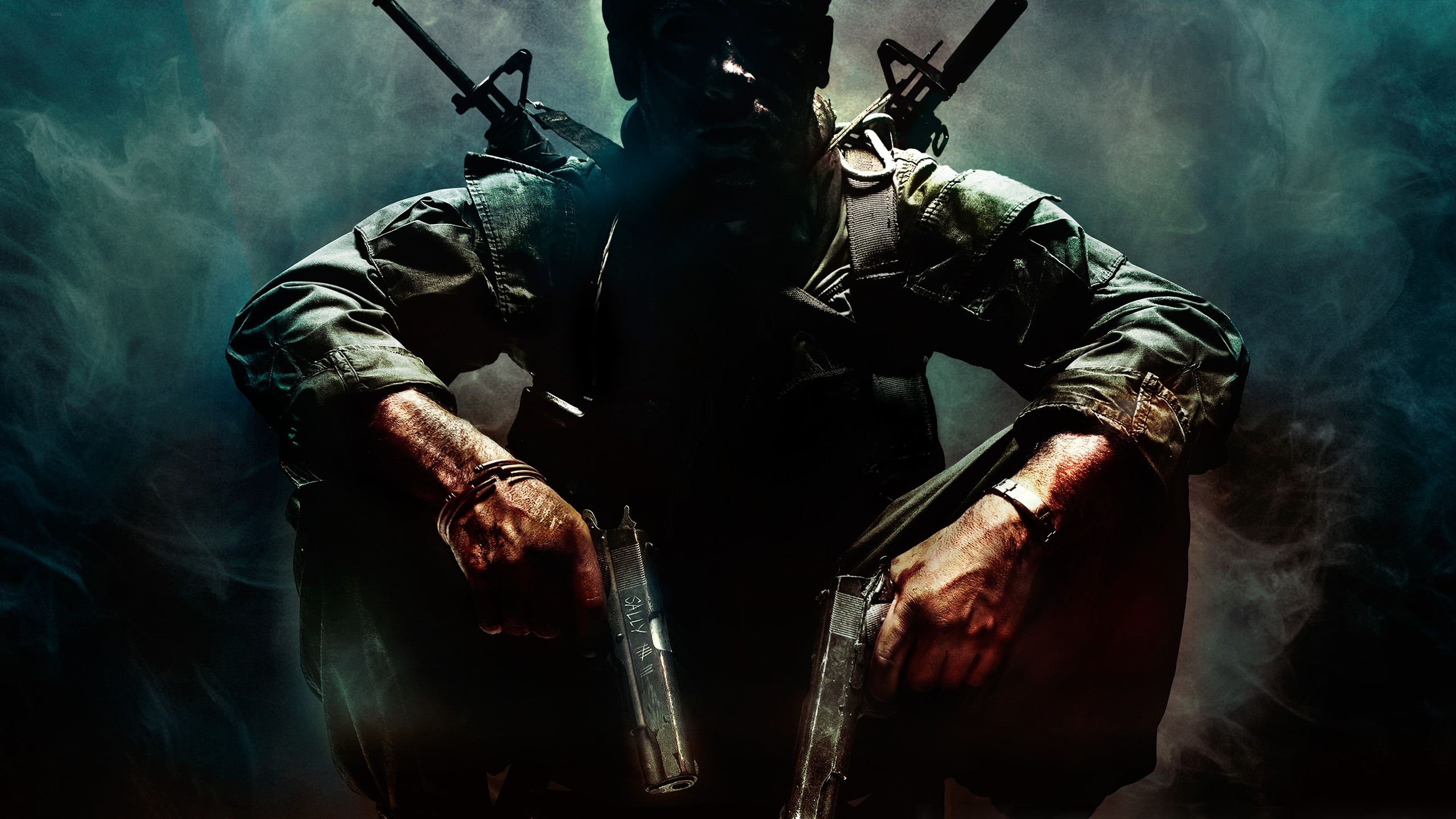
The launch of a Call of Duty beta is a major event in the gaming world, drawing millions of players eager for a first look at the next blockbuster. During the 2022 beta for *Call of Duty: Modern Warfare II*, players were meticulously scrutinizing every map, weapon, and feature. However, some discovered a bizarre anomaly not in the gameplay, but in the text chat. When attempting to type the name of the popular rival shooter, "Tarkov," players found their text was being censored and replaced with asterisks.
The discovery immediately sparked debate across social media, with players wondering if this was an intentional move by Activision to suppress discussion of a competitor. The developer, Infinity Ward, quickly cleared the air, confirming the censorship was not deliberate but rather an unintentional bug caused by an overzealous text filter. This incident serves as a classic example of the unexpected issues that massive public betas are designed to uncover.
A Curious Case of Censorship
In the early days of the highly anticipated *Modern Warfare II* multiplayer beta, players began sharing screenshots and clips of the peculiar chat filter. The issue was specific and strange: typing "Tarkov" or "Escape from Tarkov" resulted in the name being replaced by a series of asterisks ("*******"). Further testing by the community revealed other innocuous words, such as "compete," were also being blocked.
This immediately led to a flurry of theories. Was this an aggressive, anti-competitive tactic to prevent players from discussing a rival product, especially one in the increasingly popular extraction shooter genre that *Modern Warfare II* was entering with its new DMZ mode? The community was divided. Many found the situation humorous, while others expressed concern over a major publisher potentially censoring the name of another developer's title.
The censored term wasn't a slur or profanity, but the name of the notoriously hardcore shooter from Battlestate Games. Given the genre overlap and players' tendencies to discuss other games in chat, the community's speculation wasn't entirely unfounded. The visual of "***" or "******* *** ******" appearing in the chat feed became a running joke, but the underlying question of intent remained a hot topic.
Infinity Ward Responds: An Unintended Filter Flaw
Putting an end to the speculation, developer Infinity Ward officially responded to the community's discovery on social media, stating that the censorship was the result of a bug in the text filter's logic, not a malicious act. The studio confirmed it was already working on a patch to rectify the error. This kind of issue, while embarrassing, is not entirely uncommon in the world of automated content moderation.
Text filters in online games are complex systems designed to parse millions of words in real-time to block hate speech and harassment. They often rely on pattern recognition and lists of forbidden character strings. Occasionally, these systems produce false positives—a phenomenon sometimes referred to as the "Scunthorpe problem," where an innocuous word is censored because it contains a string of letters that is also part of a banned word. It is plausible that a component of "Tarkov" or "compete" inadvertently triggered such a rule in the beta's filter. Infinity Ward's quick and transparent response helped quell the community's concerns, turning a potential PR crisis into an understandable technical hiccup.
The Vital Role of Public Betas
This entire incident serves as a perfect illustration of why public betas are a critical part of the modern game development pipeline. While many players view betas as early-access demos, their primary function for developers is large-scale testing. A studio can run countless internal tests, but nothing replicates the sheer volume and unpredictability of millions of players interacting with a game simultaneously. Betas are designed to stress-test servers, identify weapon imbalances, and, as seen here, uncover obscure bugs that internal QA teams might never encounter.
By discovering the text filter flaw during the beta, the community effectively helped Infinity Ward identify and fix a problem before the game's official launch. Had this issue persisted into the final release, the narrative could have been far more damaging. Instead, it became a minor, amusing footnote in the game's development story, highlighting the symbiotic relationship between developers and their community.
The Rival at the Center of the Controversy
For those unfamiliar, the game at the center of this accidental censorship is *Escape from Tarkov*. Developed by the Russian studio Battlestate Games, it's a hyper-realistic, first-person "extraction shooter" where players fight against other players and AI to secure valuable loot and escape the map alive. Its unforgiving mechanics and steep learning curve have earned it a dedicated, hardcore following.
The game's rising popularity and influence on the genre were undeniable, especially with *Modern Warfare II's* introduction of the DMZ mode, which drew clear inspiration from the extraction shooter formula. The fact that *Tarkov* was being discussed so frequently within the Call of Duty beta is a testament to its significant profile in the shooter space. This brief, unintended moment in the spotlight, born from a simple bug, likely introduced the title to an even wider audience.
Conclusion: A Bug Squashed, A Lesson Learned
What began as a mysterious case of in-game censorship was ultimately resolved as a simple, albeit humorous, technical error. Infinity Ward's confirmation that the filtering of "Tarkov" was a mistake allowed everyone to move on. The incident underscores the immense complexity of managing a live service environment and the unpredictable nature of software development. More importantly, it validates the purpose of a public beta, showcasing how community participation is instrumental in refining a game for its worldwide launch. As a memorable moment in Call of Duty's history, it stands as a perfect example of a strange bug that was identified, addressed, and squashed, thanks to the millions of players who jumped in to test the game.